
Meaning of Secularism

Meaning of Secularism

Introduction

Secularism is a principle that advocates the separation of religion from the affairs of the state and public institutions. It ensures that individuals of all religious faiths—or none—are treated equally and that no single religion is given preferential status in governance or public policy. Secularism is rooted in the ideals of equality, freedom of conscience, and neutrality toward all religious beliefs.

The term “secularism” originates from the Latin word saeculum, meaning “worldly” or “temporal,” emphasizing matters unrelated to the sacred or religious. It emerged as a political and social philosophy during the Enlightenment, advocating for reason, tolerance, and the impartial governance of societies free from religious domination.

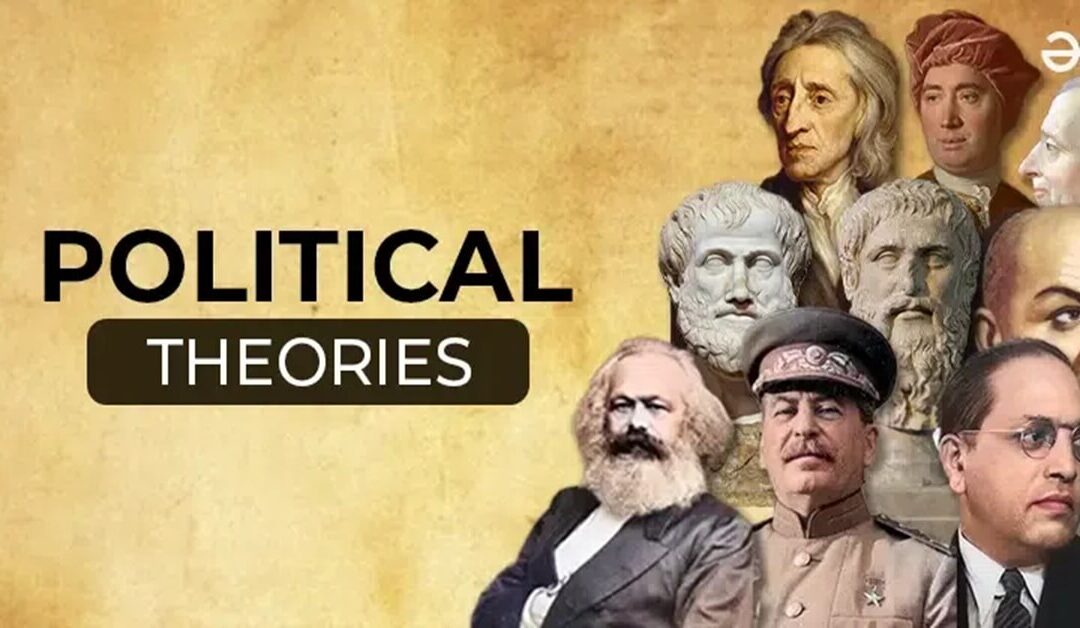
What is Political Theory?

Political theory refers to the study and analysis of political ideas, concepts, and principles that underpin political systems and societies. It seeks to answer key questions about the exercise of power, the functioning of governments, and the nature of justice, equality, rights, and democracy. By exploring ideologies like liberalism, conservatism, socialism, and feminism, political theory delves into the philosophical bases of governance and societal organization. This field examines not only abstract concepts but also their practical implications, offering a lens to interpret political phenomena.

Core Meaning of Secularism

Secularism can be understood in two broad dimensions:

Political Secularism:

This refers to the separation of the state from religious institutions. The government does not favor or endorse any religion, ensuring equality for all citizens irrespective of their faith. Policies and laws are framed based on rationality and universal values rather than religious doctrines.

Social Secularism:

This involves fostering a culture of tolerance and mutual respect among diverse religious communities. Social secularism emphasizes coexistence and the peaceful resolution of conflicts arising from religious differences.

Key Features of Secularism
Separation of Religion and State:

In a secular state, religion does not influence government decisions, laws, or policies. This ensures impartiality and prevents religious dominance in political affairs.

Freedom of Religion:

Secularism guarantees individuals the right to practice, propagate, or change their religion, or to have no religion at all. This protects religious minorities from discrimination and coercion.

Equality Before the Law:

All individuals, regardless of their religious beliefs, are treated equally under secular law. No one is privileged or penalized based on their faith.

Neutrality of the State:

Secularism demands that the state remains neutral in matters of religion. It neither promotes nor restricts any religion and refrains from using religious symbols in its institutions.

Pluralism and Tolerance:

A secular society embraces religious diversity and encourages dialogue among different communities. It promotes a culture where people of all beliefs coexist peacefully.

Universal Ethics:

Secularism emphasizes universal principles such as justice, equality, and human rights as the basis for governance, rather than religious commandments.

Types of Secularism
Western Secularism:

Predominantly seen in countries like the United States and France, this form of secularism strictly separates religion from the state. The state remains entirely uninvolved in religious matters and maintains a “wall of separation.”

Indian Secularism:

India follows a unique model of secularism, where the state maintains equal respect for all religions. Instead of complete separation, the state engages with religious groups to ensure equality and protect the rights of minorities. For example, India allows different personal laws for various communities while ensuring non-discrimination.

Importance of Secularism
Promotes Equality:

Secularism ensures that individuals of all faiths are treated equally, protecting minorities from discrimination and fostering a sense of inclusion.

Safeguards Religious Freedom:

It protects individuals’ rights to practice their faith freely or to not follow any religion, ensuring personal autonomy.

Prevents Religious Conflict:

By keeping religion out of politics, secularism reduces the likelihood of religious domination, violence, or persecution.

Encourages Rational Decision-Making:

Policies and laws in a secular state are based on reason, evidence, and universal values rather than religious beliefs, ensuring fairness and objectivity.

Strengthens Democracy:

Secularism upholds democratic ideals by ensuring that governance is inclusive and representative of all citizens, irrespective of their religious affiliations.

Challenges to Secularism
Religious Fundamentalism:

Extremist ideologies often pose challenges to secular principles by demanding preferential treatment or imposing religious norms on society.

Politicization of Religion:

In many countries, political parties exploit religious sentiments for electoral gains, undermining secular values.

Social Resistance:

In deeply religious societies, secularism may face opposition from groups that perceive it as an attack on their faith.

Balancing Religious Freedom and Neutrality:

Striking a balance between respecting religious practices and maintaining state neutrality can be complex, especially in multicultural societies.

Conclusion

Secularism is essential for building inclusive and equitable societies where individuals of all backgrounds can coexist peacefully. By ensuring the separation of religion from state affairs, secularism upholds the principles of democracy, freedom, and human rights. It promotes tolerance, rational governance, and social harmony in a world increasingly marked by diversity. Despite the challenges, secularism remains a guiding philosophy for creating just and progressive societies that respect the dignity and freedom of every individual.


Meaning and Principles of Liberalism

Meaning and Principles of Liberalism

Meaning of Liberalism

Liberalism is a political and philosophical ideology centered on the belief in individual freedom, equality, and the protection of fundamental human rights. Emerging from the Enlightenment period of the 17th and 18th centuries, liberalism advocates for the autonomy and dignity of every individual, emphasizing that all people are born with inherent rights that should be respected and safeguarded by society and the state.

At its core, liberalism challenges the concentration of power and oppression, whether by governments, institutions, or societal norms. It seeks to create a social and political framework where individuals can freely pursue their goals, express their ideas, and live according to their values, as long as they do not harm others. This ideology has evolved over time, giving rise to classical liberalism, focused on minimal state interference, and modern liberalism, which supports a balanced role for the state in ensuring social justice and equal opportunities.

Principles of Liberalism
1. Individual Freedom

The foundation of liberalism lies in the belief in individual liberty. Each person has the right to make choices about their life, including their beliefs, actions, and pursuits, without interference, provided these choices do not infringe upon the rights of others. Liberalism views freedom of thought, speech, religion, and association as essential for personal and societal growth.

2. Equality

Liberalism advocates for equality before the law and equality of opportunity. While recognizing natural and societal differences, it stresses that all individuals should have equal access to resources and opportunities, irrespective of their gender, race, religion, or socioeconomic background. The focus is on removing systemic barriers to ensure fairness.

3. Rule of Law

A key principle of liberalism is that laws apply equally to all individuals, including those in positions of power. The rule of law ensures that no one is above the law, providing protection against arbitrary governance and abuse of authority. This principle is vital for upholding justice and maintaining social order.

4. Limited Government

Liberalism emphasizes the need for a government that is strong enough to protect citizens’ rights but limited in its reach to prevent the abuse of power. The primary role of the government is to maintain order, enforce laws, protect individual rights, and provide basic public goods such as education and healthcare. Liberalism opposes excessive government control over personal and economic affairs.

5. Protection of Rights

Fundamental rights, such as freedom of speech, religion, and assembly, are central to liberalism. These rights are considered inalienable and form the basis of human dignity and societal progress. Liberalism stresses that the government’s duty is to protect these rights rather than curtail them.

6. Democracy

Liberalism strongly supports democratic governance, where power is derived from the consent of the governed. Democracy allows individuals to have a voice in decision-making processes, ensuring accountability, transparency, and representation. Liberalism views democracy as the best mechanism to balance power and uphold individual freedoms.

7. Free Market and Economic Freedom

Classical liberalism champions minimal state intervention in economic matters, advocating for a free-market economy where individuals can freely engage in trade, innovation, and competition. It promotes private property rights and economic freedom as vital for prosperity and development. Modern liberalism, however, acknowledges the need for state intervention to address social inequalities and provide welfare.

8. Tolerance and Pluralism

Liberalism values diversity and promotes peaceful coexistence among different cultures, ideologies, and beliefs. It emphasizes tolerance as a means of fostering mutual respect and understanding. This principle allows individuals to live in harmony while embracing differences.

9. Rationality and Progress

Liberals believe in the power of human reason and rational thought as tools for improving society. They emphasize education, scientific inquiry, and reforms to challenge outdated traditions and bring about progress. Liberalism seeks to create a society that is constantly evolving for the better.

10. Secularism

Liberalism supports the separation of religion and state, advocating for a secular approach to governance. This ensures that religious beliefs do not dictate state policies, creating an environment where individuals of all faiths—or none—are treated equally.

Conclusion

Liberalism has profoundly influenced the development of modern democratic societies. It champions the ideals of freedom, equality, and justice, aiming to create a society where individuals can thrive without fear of oppression or discrimination. By advocating for limited government, protecting fundamental rights, and encouraging pluralism, liberalism provides a robust framework for balancing personal liberty with collective well-being. As an enduring and adaptable ideology, liberalism continues to shape political, economic, and social thought in its quest to empower individuals and promote progress.

Meaning and Importance of Democracy

Meaning and Importance of Democracy

Meaning of Democracy

Democracy is a form of government where power ultimately rests with the people. The term originates from the Greek words demos (meaning “people”) and kratos (meaning “rule”), together signifying “rule by the people.” In a democracy, decisions are made by the collective will of the citizens, either directly or through their chosen representatives. It emphasizes the principles of equality, liberty, justice, and mutual respect among all individuals.

Democracy serves as a framework for ensuring that every citizen, irrespective of their background, has an equal opportunity to voice their opinions and influence the governance of their society. This system recognizes the fundamental idea that sovereignty belongs to the people and the government exists to serve them.

Key Features of Democracy
1. Free and Fair Elections:

Elections in a democracy are conducted in a manner that ensures fairness and equal opportunities for all. Citizens have the right to vote without coercion, and elections are transparent, allowing for a legitimate transfer of power.

2. Rule of Law:

In a democracy, laws apply equally to all citizens, irrespective of their status or position. The government operates within a legal framework to maintain justice and fairness.

3. Fundamental Rights:

Democracies guarantee certain inalienable rights to their citizens, such as freedom of speech, religion, and association. These rights protect individuals from the misuse of power by the state.

4. Accountability:

Democratic governments are accountable to the people. Leaders must justify their decisions and policies, and they can be replaced if they fail to meet public expectations.

5. Transparency:

Democracy thrives on transparency, ensuring that citizens are informed about government policies, decisions, and operations. This builds trust and allows for informed participation.

6. Pluralism:

Democracy celebrates diversity, respecting different opinions, cultures, and ideologies. It encourages constructive dialogue and coexistence among varied groups.

Importance of Democracy
Promotes Equality:

Democracy ensures that every individual, regardless of their social, economic, or cultural background, has an equal voice in decision-making. It upholds the principle of “one person, one vote.”

Protects Individual Freedom:

Fundamental freedoms, such as the right to speak, worship, and assemble, are protected in a democracy. These freedoms empower individuals to express their beliefs and live with dignity.

Encourages Citizen Participation:

In a democracy, citizens actively participate in governance through voting, protests, petitions, and public discussions. This inclusivity strengthens the connection between the government and its people.

Ensures Accountability of Leaders:

Democratic systems require leaders to answer to the people for their actions. Periodic elections and checks and balances reduce the risk of corruption and arbitrary rule.

Facilitates Peaceful Conflict Resolution:

Democracy provides institutions and mechanisms to resolve disputes through dialogue and negotiation, reducing the likelihood of violence and oppression.

Supports Development:

By incorporating diverse perspectives and fostering stability, democracy creates an environment conducive to economic, social, and cultural progress. It enables the formulation of policies that reflect the needs of the majority.

Adapts to Change:

Democracies are flexible and can evolve with societal needs. Through amendments, reforms, and public discourse, democratic systems adapt to changing circumstances, ensuring relevance and inclusivity.

Prevents Abuse of Power:

The separation of powers and the system of checks and balances in democracies prevent the concentration of power in one institution or individual, reducing the risk of tyranny.

Conclusion

Democracy is much more than a method of governance; it is a way of life that upholds the principles of freedom, equality, and justice. By ensuring citizen participation, safeguarding fundamental rights, and promoting accountability, democracy empowers individuals and fosters collective well-being. It provides a stable foundation for nations to thrive and adapt in an ever-changing world. As a system that values the voices and rights of all, democracy remains one of the most inclusive and sustainable forms of governance, enabling societies to flourish in harmony and prosperity.


Meaning and Importance of Political Theory

Meaning and Importance of Political Theory

Political theory is the cornerstone of political science, providing the analytical and philosophical foundation for understanding government, power, and societal organization. By delving into the fundamentals of how societies structure themselves and the principles guiding governance, political theory shapes our comprehension of the political world.

What is Political Theory?

Political theory refers to the study and analysis of political ideas, concepts, and principles that underpin political systems and societies. It seeks to answer key questions about the exercise of power, the functioning of governments, and the nature of justice, equality, rights, and democracy. By exploring ideologies like liberalism, conservatism, socialism, and feminism, political theory delves into the philosophical bases of governance and societal organization. This field examines not only abstract concepts but also their practical implications, offering a lens to interpret political phenomena.

The Vast Scope of Political Theory

The scope of political theory is extensive, addressing various dimensions of socio-political life. It encompasses three primary aspects:

* Normative Analysis:

This dimension addresses ethical questions concerning governance and political processes, providing a moral framework for what politics should be.

* Empirical Analysis:

Grounded in observation, this aspect focuses on factual political phenomena, offering a practical perspective.

* Conceptual Analysis:

This involves breaking down abstract political concepts like justice and equality to understand their real-world implications.

Importance of Political Theory

Political theory plays a pivotal role in understanding and navigating the political world. Its significance can be highlighted through the following points:

* Guiding Political Life:

Political theory serves as a moral and intellectual compass, helping individuals and societies make sense of complex political realities and guiding decision-making.

* Framework for Political Analysis:

It provides tools and frameworks for critically analyzing political systems, ideologies, and events, fostering a deeper understanding of political processes.

* Promoting Critical Thinking:

Engaging with political theory encourages questioning, critique, and the exploration of alternative perspectives, which are vital for intellectual growth.

* Encouraging Informed Citizenship:

By equipping individuals with knowledge about political systems and ideologies, political theory empowers them to actively participate in political discourse and decision-making.

* Stimulating Socio-Political Evolution:

It challenges existing norms and structures, inspiring progressive change and adaptation to societal transformations.

* Fostering Ethical Governance:

By addressing questions of justice, rights, and morality, political theory contributes to the development of fair and ethical governance systems.

* Providing Historical Context:

Political theory connects past political ideas and movements to present-day issues, offering a comprehensive perspective on contemporary challenges.

Types of Political Theory

Political theory is diverse, with several key types contributing to its depth and variety:

1. Traditional Political Theory:

Rooted in the works of ancient philosophers like Plato and Aristotle, this type explores governance, justice, and power from a normative perspective, emphasizing moral and ethical judgments.

2. Contemporary Political Theory:

Addressing modern complexities, it examines subjects such as social justice, identity politics, and environmental ethics, adapting to evolving socio-political challenges.

3. Descriptive Political Theory:

This type focuses on describing and explaining political phenomena without prescribing solutions, relying on empirical observations.

Diverse Approaches to Political Theory

Political theory employs various approaches to unravel the complexities of politics:

* Traditional Approach:

Anchored in historical and philosophical insights, this approach explores normative questions through the works of classical thinkers.

* Modern Approach:

Adopting empirical and scientific methods, it emphasizes data-driven analysis of political institutions and behaviors.

* Behavioral Approach:

Focusing on human behavior, this approach studies actions, preferences, and participation within political systems.

* Post-Behavioral Approach:

Balancing empirical rigor with normative relevance, it addresses the ethical dimensions of politics.

* Structural-Functional Approach:

Analyzing political systems as interconnected structures, this approach examines their roles and interactions.

Key Aspects of Political Theory

Political theory’s significance lies in its exploration of critical aspects, including:

* Political Ideologies:

Understanding ideologies like liberalism and socialism enriches our grasp of governance and societal organization.

* Political Power:

Examining who holds power and how it’s exercised highlights the dynamics of authority and governance.

* Political Justice:

Delving into questions of fairness and equality forms the ethical bedrock of political systems.

* Political Freedom:

Exploring individual rights and societal order provides insights into safeguarding liberty.

* Political Obligation:

Understanding the duties of citizens to the state fosters an appreciation of civic responsibilities.

Conclusion

Political theory is essential for fostering informed citizenship and promoting meaningful participation in political life. By analyzing political systems, ideologies, and values, it equips individuals to engage critically with the world around them. Whether examining historical perspectives or addressing contemporary issues, political theory remains a vital tool for understanding and shaping the political landscape.

Life & Teachings of Kabeer

Life & Teachings of Kabeer

Kabir's Life: A Mystical Beginning

Kabir’s birth is wrapped in mystery, with many legends surrounding his origins. Historical records suggest he was born in 1440 A.D. in Benares (now Varanasi). One legend recounts that his widowed Brahmin mother, fearing societal dishonor, abandoned him near a tank in the holy city. Miraculously, the infant survived, nourished by honey droplets falling from a nearby tree.

Early one morning, a poor Muslim weaver named Niru and his wife Neema heard the cries of the abandoned child. Moved by compassion, they adopted the boy and raised him as their own, despite their humble circumstances. Though Niru’s poverty prevented formal education, Kabir showed an extraordinary inclination toward spirituality and religion from a young age.

Kabir's Quest for Spiritual Understanding

Kabir’s early curiosity revolved around profound questions about life, death, and the existence of God. He believed in the unity of all religions and sought knowledge from both Hindu and Muslim saints. His association with the renowned saint Ramananda had a significant influence on his spiritual journey. Ramananda became his teacher, shaping Kabir’s philosophy and devotion.

Though Kabir led the life of a common man, marrying and raising two sons, his days were devoted to religious discussions. His magnetic personality and saintly qualities attracted followers from diverse communities. These disciples, known as Kabirpanthins, documented his teachings, which were later compiled into a book called ‘Bijak.’ Kabir’s teachings, expressed through simple Hindi couplets known as ‘Dohas,’ resonated deeply with people from all walks of life.

Kabir's Death and Legacy

Kabir passed away in 1518 A.D., and even his death became the subject of legend. Both Hindus and Muslims claimed his body for their respective rituals. However, when the shroud was lifted, only flowers were found, symbolizing unity. Hindus cremated some of the flowers in Varanasi, while Muslims buried the rest in Maghar, Gorakhpur.

Kabir's Teachings: A Philosophical Overview
1. Love: The Binding Force

Kabir championed love as the ultimate force capable of uniting humanity. He dismissed meaningless rituals and practices in Hinduism and Islam, emphasizing that love and compassion were the only paths to a harmonious world. His teachings urged people to reject hatred and embrace universal brotherhood.

2. God: The Universal Entity

For Kabir, God was an all-encompassing entity addressed by various names, including Ram, Rahim, Govind, Allah, and Hari. His favorite term for God was ‘Saheb.’ He believed that God was omnipresent, formless, and infinite. Kabir preached monotheism, asserting that God could only be reached through love and devotion, not through rituals or ceremonies.

3. The Teacher (Guru): The Guiding Light

Kabir revered the role of the Guru (teacher), equating the Guru with God. He believed that a Guru illuminates the path to spiritual enlightenment. In his famous couplet, Kabir wrote:
“Guru Govind Dou Khade, Kaku Lagun Pai;
Balihari Guru Apane, Jin Govind Diyu Batal.”
(Translation: “When both Guru and God stand before me, I bow to the Guru first, for it is through the Guru that I found God.”)

4. The Path of Bhakti

Kabir was a central figure in the Bhakti Movement, advocating devotion (Bhakti) as the sole means to attain God. He taught that pure love and devotion, devoid of rituals, were sufficient for spiritual fulfillment. Total surrender to God, with a pure heart, was the essence of his philosophy.

5. The Soul: The Creator and the Created

Kabir held profound views on the soul, describing it as the essence of life, knowledge, and the ultimate creator. He emphasized that despite superficial differences, the soul remained one and indivisible, symbolizing universal unity.

6. The Impermanence of the World

Kabir reminded his followers of the transient nature of worldly things. He emphasized that life, like all material objects, was fleeting, and the only eternal reality was God. In one of his famous verses, he wrote:
“Chalti Chaki Dekh Kar, Diya Kabira Roy;
Dau Patan Ke Beech Mein, Sabit Bacha Na Koi.”
(Translation: “Watching the grinding stones of life, Kabir wept; between the two stones, nothing survives.”)

7. Salvation: The Ultimate Goal

Kabir described salvation (Moksha) as freedom from the cycle of birth and death. He likened it to a drop of water merging with the ocean, symbolizing the soul’s union with the cosmic spirit.

Kabir's Social Reforms
Opposition to the Caste System

Kabir fiercely opposed the caste system and untouchability, emphasizing the equality of all beings in God’s eyes. He condemned the worship of idols and meaningless rituals, advocating for a direct connection with God.

On Human Nature

Kabir criticized human tendencies to remember God only during times of distress. He encouraged consistent devotion, emphasizing that remembering God in good times shields one from sorrow.

The Ideal Saint

Kabir defined a saint as one who discards trivial pursuits and seeks the kernel of knowledge within themselves. He believed that self-purification and enlightenment were achievable without temples or mosques.

Kabir's Legacy

Kabir’s simple yet profound teachings left an indelible mark on Indian society, influencing the Bhakti Movement and inspiring countless followers. His Dohas continue to resonate with their universal appeal, emphasizing love, unity, and devotion.

As Kabir beautifully expressed:
“O seeker, where dost thou seek me?
Lo, I am beside thee!
I am neither in temples nor in mosques.
If thou art a true seeker, thou shall see me in an instant.”

Kabir’s timeless wisdom remains a guiding light for seekers of truth and unity across the globe.