Meaning and Types of Social Mobility

Meaning and Types of Social Mobility

Social mobility refers to the movement or change in the social position of individuals, families, or groups within a society. This movement may occur within a single generation (intragenerational mobility) or across generations (intergenerational mobility). The term encompasses the shifts in socio-economic status, which could involve changes in income, education, occupation, or social status.

Origins of the Concept

The concept of social mobility was first introduced by Pitirim Sorokin, a Russian-born American sociologist and political activist, in his book “Social and Cultural Mobility.” Sorokin argued that no society is completely open or completely closed.

1. Open societies(e.g., class systems) allow individuals to move up or down the social ladder based on merit, education, or economic success.

2. Closed societies(e.g., caste systems like in India) restrict movement, often determined by birth and rigid traditions.

Sorokin emphasized that the factors enabling or restricting mobility vary across societies and historical periods. The pace of social mobility is closely linked to the level of development within a society.

Meaning of Social Mobility

Social mobility refers to the movement of an individual or group from one social status to another. It highlights changes in socio-economic conditions over a lifetime or across generations.

1. It involves upward or downward movement within a society’s social hierarchy.

2. It reflects changes in income, occupation, education, or lifestyle.

3. It reveals how opportunities or barriers in a society influence people’s potential for advancement.

Definitions of Social Mobility
1. Lipset and Bendix:

“Social mobility is a process by which individuals move from one position to another between such hierarchical arrangements found in every society.”

2. Giddens:

“Social mobility refers to the movement of individuals and groups between different socioeconomic positions.”

3. Wallace and Wallace:

“Social mobility is the movement of a person or people from one social status to another.”

4. Haralambos:

“Social mobility refers to the movement of an individual or their family from one social stratum to another.”

5. Goldhammer:

“Social mobility is the movement of individuals, families, and groups from one social position to another.”

Types of Social Mobility
1. Horizontal Mobility:

Movement within the same social stratum (e.g., a teacher becoming a principal in the same school).

2. Vertical Mobility:

Movement up (upward mobility) or down (downward mobility) the social hierarchy (e.g., a factory worker becoming an entrepreneur or vice versa).

3. Intragenerational Mobility:

Social mobility that occurs during an individual’s lifetime.

4. Intergenerational Mobility:

Mobility observed between generations, such as children achieving a higher socio-economic status than their parents.

5. Structural Mobility:

Changes in social structure that create opportunities for mobility, such as economic growth or technological advancement.

Social Mobility in the Indian Context
1. Caste System:

Historically, the caste system restricted mobility, with individuals confined to the social status they were born into.

2. Education:

The expansion of educational opportunities has played a significant role in enabling upward mobility, particularly for marginalized groups.

3. Urbanization and Industrialization:

Migration to cities for jobs has facilitated mobility by breaking traditional barriers and creating new opportunities.

4. Reservation Policies:

Affirmative action policies, such as reservations for Scheduled Castes, Scheduled Tribes, and Other Backward Classes, have promoted social mobility for historically disadvantaged groups.

Conclusion

Social mobility is a critical indicator of a society’s openness and fairness. It reflects the opportunities available for individuals to improve their social and economic standing. While open societies promote mobility through merit and effort, structural inequalities, such as caste, class, and gender, can hinder progress in societies like India. Efforts to foster education, economic development, and social justice are essential to enhancing mobility and ensuring that everyone has an equal chance to succeed.

Meaning and Definition of Social Stratification

Meaning and Definition of Social Stratification

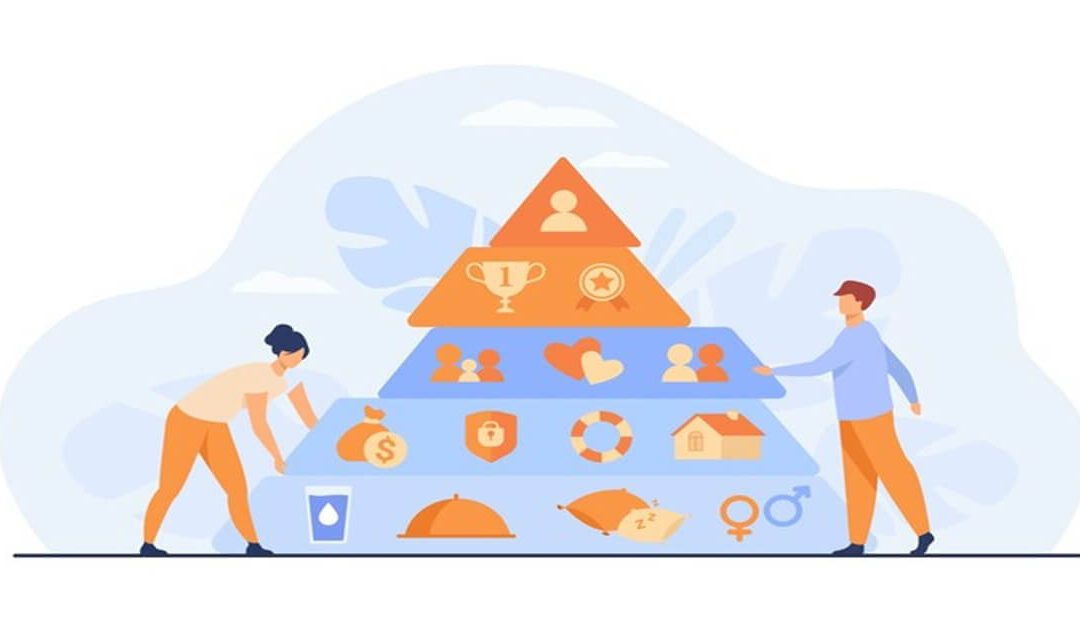
Social stratification refers to the division of society into distinct groups based on various criteria such as power, wealth, status, and privileges. It is a universal phenomenon observed in all human societies, where individuals and groups are ranked in a hierarchical structure. In the Indian context, social stratification is deeply rooted in historical, cultural, and religious traditions, most prominently reflected in the caste system.

According to MacIver and Page, social stratification exhibits three key features:

1. The existence of distinct groups.

2. The identification of superiors and inferiors.

3. A degree of permanence in both of the above.

India’s hierarchical structure is marked by caste, class, gender, and religion, all of which play a crucial role in determining social status and opportunities.

Definitions of Social Stratification
1. Melvin M. Tumin:

“Social stratification refers to the arrangement of any social group or society into a hierarchy of positions that are unequal with regard to power, property, social evaluation, and psychic gratification.”

2. Ogburn and Nimkoff:

“Alternate version: Social stratification is the process by which individuals and groups are ranked in a more or less enduring hierarchy of status.”

3. Gisbert:

“Social stratification is the division of society into permanent groups or categories linked with each other by the relationship of superiority and subordination.”

4. Williams:

“Social stratification refers to the ranking of individuals on a scale of superiority-inferiority-equality, according to some commonly accepted basis of valuation.”

5. Raymond W. Murray:

“Social stratification is the horizontal division of society into ‘higher’ and ‘lower’ social units.”

Social Stratification in the Indian Context

In India, social stratification is historically rooted in the caste system, a rigid form of social hierarchy that categorizes individuals into specific groups based on their birth. The caste system divides society into four primary varnas (Brahmins, Kshatriyas, Vaishyas, and Shudras), with Dalits (formerly known as untouchables) outside the system.

Key characteristics of Indian social stratification include:

1. Caste-Based Hierarchy:

Caste dictates one’s occupation, social interactions, and status within the community.

2. Class Stratification:

With modernization, economic factors such as wealth and education have become significant determinants of social status.

3. Gender Inequality:

Gender roles, influenced by cultural and religious norms, further stratify Indian society, often placing women at a disadvantage.

4. Religious Diversity:

India’s pluralistic society adds another layer of stratification, as religious communities have their unique hierarchies and practices.

Conclusion

Social stratification in India is a complex interplay of traditional systems like caste and emerging factors like economic class and gender dynamics. While modernization and legal reforms have challenged rigid hierarchies, many traditional practices still persist. Understanding social stratification is essential to addressing inequality and fostering social cohesion in a diverse society like India.

Technological Factors of Social Change

Technological Factors of Social Change

Technology, defined as the systematic application of scientific knowledge to solve specific problems of life, has been a transformative force in society. Its impact is vast, touching every aspect of human life and bringing about significant social change. Below is a detailed exploration of how technology influences society:

1. The Concept of 'One World, One Society'

Technology has bridged geographical and cultural divides, creating a globalized society. With access to information and education available from anywhere in the world, people have become more informed and connected. This accessibility fosters understanding and unity among diverse populations, shaping a more inclusive global society.

2. Change in Social Relations

Technological advancements, such as the internet, mobile phones, and computers, have redefined how people interact. From online dating to virtual meetings, technology has reshaped relationships and reduced social distances. Improved communication tools have enabled cultural diffusion, where ideas, traditions, and customs are shared globally, fostering social transformation.

3. Development of Technology and Urbanization

The development of technology has driven urbanization and industrialization. Factories, modern cities, and advanced infrastructure are products of technological progress. Urban centers attract people from rural areas seeking better opportunities, resulting in a melting pot of cultures. This migration and mixing of communities lead to the emergence of new social classes and the transformation of societal structures.

4. Industrialization and Family Dynamics

Industrialization, a product of technological progress, has brought profound changes to family structures. The shift from agrarian economies to industrial workplaces has led to the decline of the traditional joint family system, making way for nuclear families. Economic recessions and wealth distribution, influenced by industrialization, further reshape societal norms and values.

5. Agricultural Technology

Agriculture, the backbone of many economies, has been revolutionized by technology. Modern tools and techniques have boosted crop and livestock production, improved quality, and reduced costs. Innovations like irrigation systems, genetically modified seeds, and mechanized farming have enhanced the lives of rural communities by creating jobs and improving living standards.

6. Advances in Healthcare

Technological breakthroughs in medicine have transformed healthcare systems. From sophisticated diagnostic tools to life-saving treatments, technology has improved health outcomes and life expectancy. Telemedicine and wearable health devices make healthcare accessible to remote areas, contributing to overall societal well-being.

7. Transportation Revolution

Transportation technologies, including automobiles, airplanes, and high-speed trains, have drastically reduced travel time and increased efficiency. This connectivity has facilitated trade, cultural exchange, and economic growth. It has also enabled people to explore and integrate with different cultures, leading to greater understanding and social cohesion.

8. Environmental Awareness and Challenges

Technology has played a dual role in environmental issues. Innovations in renewable energy, waste management, and sustainable practices have contributed to addressing climate change. However, rapid industrialization and technological misuse have also caused environmental degradation. Societies must balance technological progress with environmental conservation to ensure a sustainable future.

Conclusion

Technological advancements are a powerful catalyst for social change. They improve living standards, reshape relationships, and redefine societal norms. While the benefits of technology are immense, challenges such as job displacement, privacy concerns, and environmental issues must be addressed. To ensure that progress benefits everyone, societies must adopt technology responsibly, emphasizing inclusivity, sustainability, and ethical practices.

Meaning of Social Change

Meaning of Social Change

Change is a constant phenomenon and a fundamental law of nature. Society, as a dynamic entity, is never static; it undergoes continuous transformation over time. The term social change refers to alterations that take place within human society, particularly in human interactions and interpersonal relationships. Since society is a network of social relations, social change inherently signifies a shift in the system of these relations. Any variation, modification, or transformation in established patterns of human communication and norms of behavior qualifies as social change.

Social change encompasses modifications in the social order, including changes in social institutions, behaviors, or relations. Sociologists broadly interpret social change as transformations in communication, cultural practices, and social institutions, which often have profound, long-term consequences for society. These changes may affect cultural symbols, norms, values, and the functioning of social structures.

Definitions of Social Change
1. H.T. Majumdar:

“Social change may be defined as a new fashion or mode, either modifying or replacing the old, in the life of a people—or in the operation of a society.”

2. O.A. Chennan:

“Social change may be defined as modification in ways of doing and thinking among people.”

3. S. Koning:

“Social change refers to the modifications which occur in the life patterns of a people.”

4. Alvin Toffler:

“Change is the process through which future invades our life.”

5. Anderson and Parker:

“Social change involves alteration in the structure and functioning of societal forms or processes themselves.”

In conclusion, social change is an inevitable and natural part of society’s evolution. It is driven by various factors such as technological advancements, cultural shifts, economic developments, and political changes, which collectively shape the structure and functioning of society over time. Understanding social change is crucial to analyzing how societies adapt to new challenges and opportunities, ensuring progress and resilience.

Meaning and Origin of Feminism

Meaning and Origin of Feminism

Introduction
Feminism is a social, political, and intellectual movement that advocates for the equality of the sexes. It seeks to challenge and dismantle the systemic inequalities, biases, and discrimination faced by women and marginalized genders in various aspects of life, including politics, education, the workplace, and personal relationships. Feminism is not limited to women’s rights alone but broadly aims to achieve equality and justice for all genders.

The term feminism is derived from the Latin word femina, meaning “woman,” and the French suffix -isme, indicating a principle or movement. It gained prominence in the 19th century, as women began organizing for their rights and freedom from patriarchal structures.

Origin of Feminism
Historical Background
Pre-modern Period:
Though feminism as an organized movement began much later, its roots can be traced to ancient and medieval societies where women occasionally voiced their grievances against male dominance. Figures such as Hypatia of Alexandria (a 4th-century philosopher) and Christine de Pizan (a 14th-century writer) are often cited as early voices advocating for women’s education and agency.
18th Century – Enlightenment:
The Enlightenment era brought ideas of liberty, equality, and reason, which inspired feminist thought. Key figures like Mary Wollstonecraft, in her groundbreaking work A Vindication of the Rights of Woman (1792), argued for women’s education and equality, challenging the idea of female inferiority.
19th Century – Organized Feminism:
The first wave of feminism emerged in the 19th century, focusing on basic legal rights, including women’s suffrage, property rights, and access to education. Activists like Elizabeth Cady Stanton and Susan B. Anthony in the United States, and Emmeline Pankhurst in the United Kingdom, led movements for voting rights.
20th Century – Expansion of Feminist Goals:
The second wave of feminism in the mid-20th century expanded its focus to social and cultural inequalities, addressing issues like workplace discrimination, reproductive rights, and domestic violence. This period also saw the emergence of feminist theory as an academic discipline.
Contemporary Feminism:
The third wave (1990s onwards) and subsequent feminist movements have embraced intersectionality, recognizing that race, class, sexuality, and other identities intersect with gender to create unique experiences of oppression. Modern feminism also engages with global issues such as LGBTQ+ rights, climate justice, and technology-related gender disparities.
Meaning of Feminism
Feminism embodies the principles of equality, justice, and empowerment. It challenges patriarchal systems that uphold male dominance and seeks to create a society where individuals of all genders have equal opportunities and rights. The movement encompasses a variety of perspectives and ideologies, including but not limited to:
Liberal Feminism:
Focuses on achieving equality through political and legal reforms, such as suffrage and anti-discrimination laws.
Radical Feminism:
Argues that the root of gender inequality lies in the patriarchal structure of society and calls for its dismantling.
Marxist and Socialist Feminism:
Links gender inequality to capitalism, asserting that the economic system exploits women’s labor and perpetuates dependency.
Cultural Feminism:
Emphasizes the value of traditionally “feminine” traits, such as nurturing and caregiving, and seeks to celebrate women’s contributions to culture and society.
Intersectional Feminism:
A term popularized by Kimberlé Crenshaw, it highlights how gender intersects with race, class, sexuality, and other factors to create unique forms of discrimination and privilege.
Core Objectives of Feminism
Achieving Gender Equality:
The primary goal of feminism is to ensure equal rights and opportunities for all genders in every sphere of life.
Empowering Women and Marginalized Genders:
Feminism seeks to empower individuals who have historically been excluded or oppressed due to their gender.
Ending Gender-Based Violence:
The movement aims to address and eliminate all forms of violence, harassment, and abuse rooted in gender inequality.
Promoting Reproductive Rights:
Feminism advocates for individuals’ control over their reproductive choices, including access to contraception, abortion, and maternal healthcare.
Challenging Stereotypes and Social Norms:
Feminism works to dismantle harmful gender roles and stereotypes that limit individual potential and reinforce inequality.
Addressing Intersectional Inequalities:
Modern feminism recognizes and seeks to combat the overlapping oppressions caused by the intersection of gender with race, class, sexuality, and other identities.
Significance of Feminism
Social Justice:
Feminism promotes fairness and justice, ensuring that no gender is oppressed or denied opportunities.
Improved Economic Participation:
By advocating for workplace equality, equal pay, and opportunities for women, feminism contributes to economic growth and prosperity.
Health and Well-being:
Feminism improves access to healthcare, mental health support, and reproductive rights, enhancing the overall quality of life for individuals.
Promoting Education:
Feminist movements have historically fought for women’s access to education, empowering individuals to make informed choices about their lives.
Global Impact:
Feminism addresses global issues such as child marriage, human trafficking, and gender-based violence, aiming to create a safer and more equitable world.
Conclusion
Feminism is a dynamic and evolving movement that seeks to dismantle systemic inequalities and create a world where all individuals, regardless of gender, can live with dignity, freedom, and equal opportunities. Its roots in history demonstrate the persistent struggle against oppression, while its contemporary relevance highlights the ongoing need for activism and advocacy. Feminism is not just a fight for women’s rights but a broader pursuit of justice and equity for all, ensuring a more inclusive and progressive society.