

Characteristics of Culture

Characteristics of Culture

Culture is one of society’s most profound gifts, shaping behaviors, beliefs, and ideals over generations. It is a complex and dynamic force, guiding our daily lives, interactions, and values. Below, we explore the core characteristics of culture and how they influence society and individual identities.

1. Culture is Social

Culture is a collective phenomenon, not confined to individuals. It embodies the customs and norms society imparts to its members, including behaviors like eating habits, dressing styles, personal grooming, and social etiquette. These practices are not just preferences but established norms upheld by the society at large. Culture, therefore, is inherently social—it emerges from communal life and serves as a framework for expected behaviors. Social life, steeped in traditions, moral codes, literature, and religious practices, is a reflection of this cultural influence.

2. Culture is Learned, Not Inherited

Unlike instinctual behaviors found in animals, culture is acquired through learning. It is not passed down biologically but socially; it is taught, shared, and refined by human experience. Through interaction with elders and peers, humans internalize cultural norms and values, shaping their personalities and social roles. This learning process is unique to humans, setting them apart from other species that largely rely on instinctual behaviors rather than learned practices.

3. Culture is Shared

Culture belongs to society as a whole, not to any one individual. It encompasses a shared collection of language, ethics, customs, and beliefs, binding individuals together through common practices. As anthropologist Robert Bierstedt put it, culture is “the things that more than one people follow or have, believe, use and adopt.” Its collective nature enables it to survive and flourish, reinforcing communal identity and cohesion.

4. Culture is Portable

One of culture’s most unique traits is its ability to transcend time, continuously passed down from one generation to the next. Language, emotions, traditions, and customs serve as vehicles for this transmission, helping to sustain culture’s relevance across eras. Formal education and socialization play vital roles in this process, emphasizing the importance of understanding and preserving cultural values for future generations.

5. Culture is Relative and Transformative

Culture is not a fixed entity; it evolves with societal shifts and technological advances. Traditions, moral codes, and customs adapt to reflect the changing needs and values of society, leading to the development of new practices while preserving core ideals. This transformative aspect of culture encourages innovation and allows society to respond to emerging challenges, creating pathways to new ways of life.

6. Culture is Persistent and Cumulative

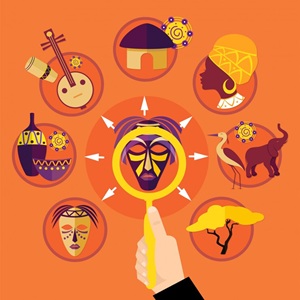
Culture is both enduring and progressive, a continuous stream of human achievements accumulated over generations. It retains elements of the past while embracing new influences, making it a cumulative force that integrates the old and the new. This persistence gives culture a timeless quality, allowing it to endure while staying relevant to contemporary life.

7. Culture is Uniform and Comprehensive

The influence of culture permeates every aspect of society, from economic and political systems to religious and educational institutions. This unity within culture’s diverse elements creates a cohesive structure that reinforces societal norms. The interconnectedness of cultural elements allows society to maintain a harmonious balance, giving culture a holistic quality.

8. Culture Satisfies Basic and Social Needs

Culture fulfills both biological and social needs, providing the environment necessary for human well-being. It defines the activities, roles, and interactions that satisfy individual and collective requirements. Whether through rituals, customs, or shared beliefs, culture is central to sustaining life and fostering social harmony.

9. Culture as a Model for Ideals

Culture offers a blueprint for exemplary behavior within a society, promoting ideals of manners, traditions, and ethics that guide individuals. By encouraging imitation and adherence, culture supports societal welfare and individual well-being. It champions values and practices that protect and enhance the lives of community members.

Conclusion

In sum, culture is a tapestry woven from the threads of human experience, learning, and expression. Its social, shared, transformative, and enduring nature shapes our world, creating a rich heritage that evolves with each generation. Through culture, society builds a foundation of values and ideals that inform, guide, and inspire us all.
Characteristics of Society

Characteristics of Society

Characteristics of Society
Introduction:
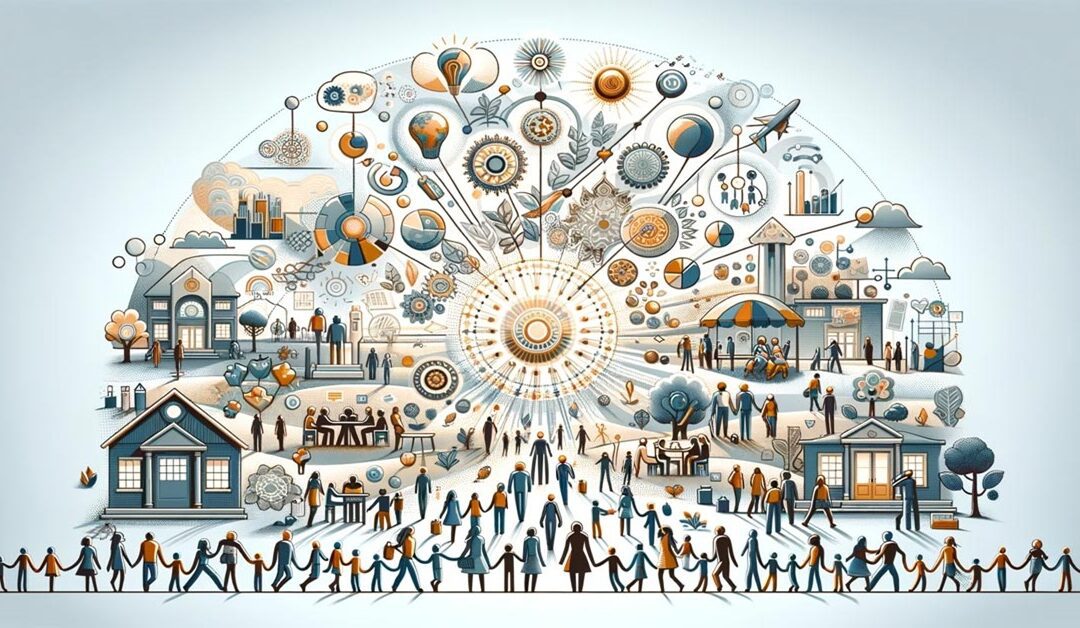
Society, a complex web of relationships, has a set of defining characteristics that shape human interactions and communal living. By exploring these elements—comparison, difference, interdependence, cooperation and division of labour, social relations, control mechanisms, transformation, and culture—we gain insight into what sustains and evolves human society. Here’s a deeper look at these fundamental traits:
1. Comparison: The Drive for Connection and Community
Human society thrives on the basis of comparison. People naturally draw similarities and differences, finding ways to relate to each other through shared traits. This desire to find common ground fosters a sense of belonging, leading individuals to build connections and support systems with those who are similar. Giddings, a sociologist, encapsulates this idea with the concept of “species consciousness,” emphasizing that society relies on the awareness of shared human traits. Just as birds of a feather flock together, people gravitate towards those with whom they share mutual understandings and goals.
Difference: Unity Through Diversity
Although similarities draw people together, differences give society its complexity and depth. A purely homogeneous society would lack the unique perspectives that different individuals bring to the table. Human society is a rich tapestry of diverse talents, intellects, and abilities. This diversity is apparent in gender differences, physical attributes, skills, and temperaments, all of which allow for a wide array of roles and contributions within a community. As sociologists McIver and Page note, similarity must be primary for coherence, but difference fuels progress by fostering creativity, individual strengths, and collective achievements.
3. Interdependence: A Fundamental Need
No one exists in isolation; humans are inherently social and interdependent beings. From the moment of birth until the end of life, individuals rely on one another for support, care, and development. This interconnectedness is most evident in family structures but also extends to larger societal frameworks like schools, religious institutions, and recreational bodies. As societies advance and people’s needs diversify, this interdependence becomes even more pronounced, weaving a tightly knit community where each person’s contribution enriches the whole.
4. Cooperation and Division of Labor: The Backbone of Society
Society thrives on cooperation. Working together to achieve shared goals creates a foundation for social activities and institutions. Cooperation allows people to pool their resources, skills, and knowledge, ensuring mutual benefit and a sense of collective responsibility. Within this cooperative framework lies the principle of division of labour. By dividing tasks based on individual strengths, society creates efficiency and specialization, with farmers, artisans, educators, and countless others each contributing to society’s collective well-being. This division encourages social cohesion while also supporting individual expertise and societal advancement.
5. Society as a Web of Social Relations
Human connections form the bedrock of society. Social relations, which include ties such as family, friendship, mentorship, and professional networks, are vital. These connections serve as the lifeblood of community, giving meaning to social interactions and fostering bonds that create stability and support. Social relations can be seen in everyday interactions, from the familial bonds of a mother and father to the camaraderie of friends, and the mutual benefit between merchants and consumers. This intricate web of relationships gives society structure and defines the way people interact.
6. Social Control: The Mechanism of Order
For society to function harmoniously, social control mechanisms are essential. Through shared values, ethics, and traditions, individuals are guided towards behaviour that benefits the collective. These informal controls—like compassion, kindness, and respect—act as unspoken rules of civility. In today’s complex society, formal mechanisms like laws, courts, and enforcement agencies also play a critical role, ensuring that society’s stability, unity, and security are maintained. Together, these controls maintain balance and deter actions that could disrupt societal harmony.
7. Transformation: Society as an Evolving Entity
Change is the only constant in society, as McIver emphasizes. Society is a process in motion, forever adapting to internal and external influences. Natural occurrences—such as storms or earthquakes—can catalyze transformation, just as new generations bring fresh ideas that shift norms and reshape institutions. This cycle of renewal keeps society resilient, adapting to the challenges and innovations that arise. While some traditions endure, new customs replace outdated ones, ensuring society remains dynamic and responsive to change.
8. Culture: The Soul of Society
Culture is the essence of society, capturing its identity and values. Each society has a unique cultural makeup that distinguishes it from others, reflecting the way its people live, communicate, and achieve. As Linton describes, culture encompasses not only customs and traditions but also material objects—houses, tools, vehicles—that support daily life. This cultural fabric is a repository of human heritage, evolving with each generation but rooted in shared history and collective achievement, painting a vivid picture of human experience and aspiration.
Society, with all its intricacies and traits, reflects a balance of unity and diversity, dependence and individuality, cooperation and control. As these characteristics interweave, they create a community where people coexist, grow, and build a future together.
Conclusion:
Society is a multifaceted network, defined by shared values, differences, interdependence, and a complex interplay of relationships. These characteristics foster unity while allowing individuality, creating a community where cooperation and division of labour support both social stability and personal growth. Social control mechanisms and cultural values anchor society, providing a framework within which individuals can thrive. As society continually transforms, adapting to change while holding on to core principles, it illustrates humanity’s resilience and collective spirit. Ultimately, society remains a dynamic entity, enriched by diversity, shaped by cooperation, and propelled by a shared commitment to a harmonious existence.