
Pre-Vedic Period

Pre-Vedic Period

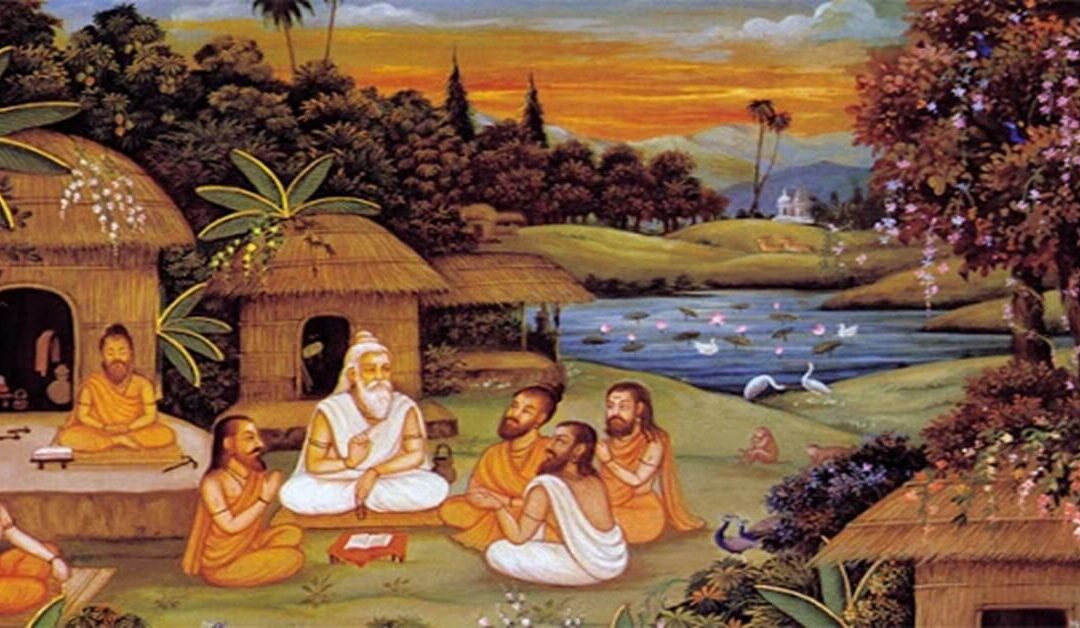
The Early Vedic Period (1500 BCE – 1000 BCE) marks a foundational stage in Indian history, when the Indo-Aryans settled in the northwestern regions of the subcontinent. This era, primarily known through the Rigveda, provides valuable insights into the social, political, and religious aspects of life during that time. Society was organized on kinship and family ties, with a largely pastoral and semi-nomadic lifestyle gradually moving toward agriculture. Politically, clans were led by chiefs (rajan), supported by assemblies such as the Sabha and Samiti, which played important roles in decision-making. Religious life revolved around nature worship, sacrificial rituals (yajnas), and hymns dedicated to deities like Indra, Agni, Varuna, and Surya. Together, these features reflect a simple yet dynamic phase of Indian civilization, laying the groundwork for later cultural, social, and religious developments.

a) Political system:
Clan states:

At the beginning of the Pre-Vedic period, clan states were established. Each clan had its own kingdom. There are names of clans such as Bharata, Kuru, Yadu etc. There were struggles between the clan states for establishing power. A unit consisting of several villages was called a subject and the ruler of the subject was called a vichyapati. Gradually, small kingdoms came to flourish. The states were called Rashtra and their head was called Rajan.

Selection of the King:

The selection of the king was usually hereditary. But sometimes the king was elected. The king had unlimited powers. The origin of kingship is mentioned in the ‘Aittarya’ Brahmana and it is said that ‘kingship arose for the daily needs of man and for the needs of military defense’.

Ministers and important officials:

The king had a council of ministers to assist him in the administration. The ministers in this council were qualified and experienced, pure and of high character. The king needed ministers as much as the wheels needed to move a chariot. There were also administrative officials called the priest, the villager and the senani.

The priest performed the functions of the priesthood for the good of the state. The senani performed the defense of the state. The villager looked after the rural administration.

Sabha and Samiti:

The affairs of the Vedic state were attended by the famous assemblies called Sabha and Samiti. The Sabha and Samiti provided advice and instructions to the king. A.L. Bashyam has explained the importance of the Sabha and Samiti in his work ‘A Wonder That Was India’. The Sabha and Samiti were presided over by a ‘Sabhapati’. It is difficult to explain the specific functioning of the Sabha and Samiti.

b) Social life:

Several important features are found in the social system of the pre-Vedic period.

Nuclear family:

At the beginning of the Rigveda, there was a ‘joint family’. Here, the father, mother and children lived in the same house. Towards the end of the Rigveda, as the concept of property developed, the joint family system was seen to have developed.

Patriarchal family:

Another important feature of the social system was the structure of the patriarchal family. After the death of the father, the eldest son came to power.

Position of women:

Like men, women also had an important position in society. Women were allowed to study the Vedas like men. Women like Lopamudra, Vishwavara, Apala were scholars.

Caste System:

It is difficult to say for sure whether the caste system existed or not. It is believed that there were two castes during this period, Kshatra and Visha.

Clothes and Ornaments:

They wore cotton and woolen clothes. The clothes of men and women were divided into upper and lower garments. Men and women were fond of ornaments. They wore various ornaments made of gold and silver.

Marriage System:

Both monogamy and polygamy existed. Kings were polygamous. Dowry was common and sometimes bride-price was also seen. The main purpose of marriage was to have a male child.

Food and Drinks:

A mixed diet was observed. Wheat, barley, butter, ghee, and vegetables were used while animals like sheep, goat, and chicken were used for meat. They consumed intoxicating drinks called Somarasa and Sure.

Entertainment:

They played indoor and outdoor games for entertainment. Chess and Chaukabara were indoor games, while hunting, chariot racing, horse racing, etc. were outdoor games.

c) Economic Life:

The economic system of the Aryans of the Rigvedic period was based on some major occupations and several sub-occupations. Major occupations: Agriculture, trade, and animal husbandry were the main occupations.

Agriculture:

This was one of the main occupations of the Rigvedic period. They cut down the forest and created arable land. They used a plow to plow the land. Bullocks were used. Barley was the main crop. It is called `Yava’.

Animal husbandry:

Another main occupation of this period was `Cow’ which was sacred. The cow was called `Aghna’. Beef consumption was prohibited. Killing a cow was punishable by death. Horses were used more and donkeys, sheep, and goats were also raised.

Trade:

Internal and international trade existed. A barter system existed in trade and cows were used for exchange. Bullock carts, chariots, and boats were used for transportation of goods. Both land and water transport were developed.

Sub-occupations:

The people of Vedic culture relied on several sub-occupations for their livelihood. Spinning, weaving, jewelry making, handicrafts, etc. were sub-occupations.

d) Religious life:

The religious life of the Aryans of the pre-Vedic period included many important aspects.

Nature worship:

The worship of nature was prominent in the early religious life of the Aryans. They worshipped 33 gods and goddesses found in nature. Such deities were divided into three categories.

1. Earth gods

2. Heaven god

The main deities of worship:

Indra, Agni, Vayu, Prithvi, Varuna, Ushas were the main deities.

Sacrificial rites:

An important aspect of the development of the religious system of the Pre-Vedic period was the emergence of sacrificial rites. The special worships of the priests that came into existence in the Pre-Vedic period and the chanting of mantras during such worship formed the sacrificial rites. The belief that by performing sacrificial rites, peace, good fortune and salvation are attained in this life became strong. Against this background, sacrificial rites were found to be predominant. Although such sacrificial rites were a heavy financial burden for the common people, their performance was considered indispensable. In the Pre-Vedic period, seven priests played a major role in the religious system.

Sacrificial rites:

After the performance of sacrificial rites, animals were sacrificed to the desired deities. Cow slaughter reduced the wealth of cows. Guests who came during the yajna were called Gogna. ‘Gogna’ means one who eats cows. Gradually, eating cows was considered a great sin and religious rites were performed to protect them.

Literature of the Rigvedic period:

Only the ‘Rigvedic’ literature was composed during the Rigvedic period. More information about this has been given earlier. See the section ‘Foundations of the formation of Aryan culture’.

Science:

The people of the Rigvedic period were familiar with the medical system. Details about many diseases and the herbal medicines used for them and the mantras and techniques for curing them have been found. There are details about many diseases like tuberculosis, leprosy, jaundice, amashanke, aralu sand etc. in the Rigveda. Along with medicine, surgical treatment was used. Those who lost their legs while fighting in wars were surgically attached with iron legs. Doctors successfully cured wounds and snake bites. There was a little bit of introduction to astronomy. They observed the movement of stars. They discovered. During the Rigveda period, 12 months of 30 days were considered a year.


ಸಾಮಾಜೀಕರಣದ ಮಹತ್ವ ಅಥವಾ ಪ್ರಾಮುಖ್ಯತೆ

ಸಾಮಾಜೀಕರಣದ ಮಹತ್ವ ಅಥವಾ ಪ್ರಾಮುಖ್ಯತೆ

ಸಾಮಾಜೀಕರಣವು ವ್ಯಕ್ತಿಗೆ ಸಮಾಜದ ಮೌಲ್ಯಗಳು, ಸಂಸ್ಕೃತಿ, ನಿಯಮಗಳು ಮತ್ತು ನಡವಳಿಕೆಗಳನ್ನು ಕಲಿಸಿ, ಅವನನ್ನು ಸಮಾಜದ ಒಬ್ಬ ಜವಾಬ್ದಾರಿಯುತ ಸದಸ್ಯನನ್ನಾಗಿ ರೂಪಿಸುತ್ತದೆ. ಇದು ವ್ಯಕ್ತಿತ್ವದ ವಿಕಾಸಕ್ಕೆ ನೆರವಾಗಿ, ಸಮಾಜದಲ್ಲಿ ಪರಸ್ಪರ ಸಹಕಾರ, ಹೊಂದಾಣಿಕೆ ಹಾಗೂ ಸಮನ್ವಯದಿಂದ ಬದುಕಲು ಅಗತ್ಯವಾದ ಆಧಾರ ಒದಗಿಸುವುದರಿಂದ ಮಾನವನ ಬದುಕಿನಲ್ಲಿ ಅತ್ಯಂತ ಪ್ರಾಮುಖ್ಯತೆಯನ್ನು ಹೊಂದಿದೆ.
1) ಸಾಮಾಜೀಕರಣವು ಮಾನವನನ್ನು ಸಮೂಹ ಜೀವಿಯನ್ನಾಗಿಸುತ್ತದೆ:

ಮಾನವ ಜನ್ಮತ: ಸಮೂಹ ಜೀವಿಯಾಗಿರುವುದಿಲ್ಲ. ಸಮೂಹ ಸಂಪರ್ಕ, ಸಂಸ್ಕಾರ ಹಾಗೂ ಶಿಕ್ಷಣವಿಲ್ಲದೆ ಮಾನವ ಸಮೂಹ ಜೀವನದ ಮಾನವೀಯ ಗುಣಗಳನ್ನು ಬೆಳೆಸಿಕೊಳ್ಳಲಾರ. ನವಜಾತ ಶಿಶುವಿಗೆ ಸಾಮಾಜಿಕ ಶಿಕ್ಷಣವನ್ನು ನೀಡಿ ಅದನ್ನು ಸಮೂಹ ಜೀವನಕ್ಕೆ ಅಣಿಗೊಳಿಸುವುದು ಸಾಮಾಜೀಕರಣದ ಪ್ರಮುಖ ಕಾರ್ಯವಾಗಿದೆ. ಮಾನವ ಸಾಮಾಜಿಕ ಜೀವಿಯಾಗಲು ಜ್ಞಾನ, ನಂಬಿಕೆ, ಅಭ್ಯಾಸಗಳು ಹಾಗೂ ಮೌಲ್ಯಗಳನ್ನು ಬೆಳೆಸಿಕೊಳ್ಳಬೇಕು. ಈ ಅಂಶಗಳನ್ನು ಅವನು ಈಗಾಗಲೇ ಪಡೆದವರಿಂದ ಸಂಪರ್ಕ ಹೊಂದುವ ಮೂಲಕ ಪಡೆಯಬಹುದಾಗಿದೆ. ಮಾನವ ಹುಟ್ಟಿನಿಂದ ಕೇವಲ ಒಂದು ಜೈವಿಕ ಪದಾರ್ಥ ಅದು ಕೇವಲ ಮಾಂಸದ ಮುದ್ದೆ, ನಿರಂತರ ಸಂಪರ್ಕ ಸಾಧನೆಯಿಂದ ಸಂಸ್ಕಾರವನ್ನು ಕಲಿಯಬೇಕು. ಇಲ್ಲದೆ ಹೋದರೆ ಅದು ನಿಜಮಾನವನಾಗಿ ಬಾಳಲು ಸಾಧ್ಯವಿಲ್ಲ. ಈ ಸಂಸ್ಕಾರ ಸಮಾಜದಿಂದಲೇ ಬರುವುದು ಎಂಬುದು ಕಮಲ, ಅಮಲ, ಅನ್ನಾ, ಇಸಬೆಲ್ಲಾ ಹಾಗೂ ಕ್ಯಾನ್ಸರ್ ಹೌಸರ್ ಪ್ರಕರಣಗಳಿಂದ ಸ್ಪಷ್ಟವಾಗಿದೆ.

2) ಸಾಮಾಜೀಕರಣವು ವ್ಯಕ್ತಿತ್ವದ ಬೆಳವಣಿಗೆಗೆ ಸಹಕಾರಿಯಾಗಿದೆ;

ಸಾಮಾಜೀಕರಣವು ವ್ಯಕ್ತಿಯ ವ್ಯಕ್ತಿತ್ವದ ಬೆಳವಣಿಗೆಗೆ ಸಹಕಾರಿಯಾಗಿದೆ. ವ್ಯಕ್ತಿತ್ವವೆಂಬುದು ಹುಟ್ಟಿನಿಂದ ಬರುವುದಿಲ್ಲ. ಅದನ್ನು ಪ್ರತಿಯೊಬ್ಬರೂ ಸಾಮಾಜಿಕ ಸಂಪರ್ಕದಿಂದ ಬೆಳೆಸಿಕೊಳ್ಳಬೇಕು. ಸಮೂಹ ಅಥವಾ ಸಮಾಜದ ಹೊರತಾಗಿ ಯಾರೂ ವ್ಯಕ್ತಿತ್ವವನ್ನು ಹೊಂದಲು ಸಾಧ್ಯವಿಲ್ಲ. ಅದೇ ರೀತಿಯಾಗಿ ಸಾಮಾಜೀಕರಣದ ಹೊರತಾಗಿ ವ್ಯಕ್ತಿತ್ವ ರೂಪುಗೊಳ್ಳುವುದಿಲ್ಲ. ಆದುದರಿಂದ ವ್ಯಕ್ತಿ ಸಮಾಜ ಹಾಗೂ ಸಂಸ್ಕೃತಿಗಳ ಸಂಪರ್ಕದಿಂದ ವ್ಯಕ್ತಿತ್ವವನ್ನು ಬೆಳೆಸಿಕೊಳ್ಳುತ್ತಾನೆ. ಇವೆಲ್ಲವೂ ಸಾಮಾಜೀಕರಣದಿಂದಲೇ ಬರುತ್ತದೆ. ಇದರ ಮೂಲಕವೇ ಮಾನವನಲ್ಲಿ ಉತ್ತಮ ಆಸೆ ಆಕಾಂಕ್ಷೆಗಳು, ಧ್ಯೇಯಧೋರಣೆಗಳು, ಜೀವನ ಮೌಲ್ಯಗಳು ಮೈಗೂಡಿ ಬರುತ್ತವೆ. ವ್ಯಕ್ತಿಯ ತಂದೆ, ತಾಯಿ, ಬಂಧು, ಬಳಗ, ಗುರು, ಹಿರಿಯರು, ಅಧಿಕಾರಿ, ಪ್ರಜೆ, ಆಡಳಿತಗಾರ ಮೊದಲಾದ ಯಾವುದೇ ಅಂತಸ್ತಿನಲ್ಲಿರುವ ಅದಕ್ಕೆ ಅವನು ತಕ್ಕ ಪಾತ್ರವಹಿಸಲು ಶಕ್ತನಾಗುತ್ತಾನೆ.

3) ಸಾಮಾಜೀಕರಣದಿಂದ ಶಿಸ್ತು ಮೂಡುತ್ತದೆ:

ಸಾಮಾಜೀಕರಣದ ಒಂದು ಕಲಿಕೆಯ ಪ್ರಕ್ರಿಯೆ. ಆದುದರಿಂದ ಆತ ಸಾಮಾಜೀಕರಣದಿಂದ ಶಿಸ್ತನ್ನು ಕಲಿಯುತ್ತಾನೆ. ಮೇಲಾಗಿ ವ್ಯಕ್ತಿಯು ಸಮಾಜದ ರೀತಿನೀತಿಗಳು, ರೂಢಿ ಸಂಪ್ರದಾಯಗಳು, ಆಚಾರವಿಚಾರಗಳನ್ನು ಪಡೆದುಕೊಳ್ಳುತ್ತಾನೆ. ಶಿಸ್ತು ಸಾಮಾಜಿಕ ವ್ಯವಸ್ಥೆಯ ಸೂಚಕ, ಅಶಿಸ್ತು ಅವ್ಯವಸ್ಥೆಯ ದ್ಯೋತಕ, ಶಿಸ್ತು ವ್ಯಕ್ತಿಯ ಬದುಕಿಗೆ ಪೂರಕ. ಆದುದರಿಂದ “ಶಿಸ್ತು” ವ್ಯಕ್ತಿಯು ತನ್ನ ಜೀವನದಲ್ಲಿ ಯಶಸ್ಸು ಗಳಿಸಲು ಸಾಧ್ಯವಾಗುತ್ತದೆ. ಹೀಗೆ ವ್ಯಕ್ತಿಯ ಶಿಸ್ತುಬದ್ಧನಾಗಿದ್ದರೆ ಸಮಾಜದಲ್ಲಿ ಕ್ರಮಬದ್ಧತೆ. ಸ್ಥಿರತೆ, ಭದ್ರತೆ ಹಾಗೂ ಸುವ್ಯವಸ್ಥೆಯನ್ನು ಸ್ಥಾಪಿಸಲು ಸಾಧ್ಯವಾಗುತ್ತದೆ.

4) ಸಾಮಾಜೀಕರಣವು ಪಾತ್ರ ನಿರ್ವಹಣೆಯಲ್ಲಿ ಸಹಕಾರಿಯಾಗುವುದು:

ಪ್ರತಿಯೊಬ್ಬ ಮಾನವನೂ ತನ್ನ ಜೀವಮಾನದುದ್ದಕ್ಕೂ ಹಲವಾರು ಸಾಮಾಜಿಕ ಪಾತ್ರಗಳನ್ನು ನಿರ್ವಹಿಸುತ್ತಾನೆ. ಅದು ಹಲವು ರೀತಿಯ ನೀತಿ ನಿಯಮಗಳನ್ನು ಒಳಗೊಂಡಿರುತ್ತದೆ. ಈ ರೀತಿ ನಿಯಮಗಳನ್ನು ಅರಿತುಕೊಳ್ಳಲು ಹಾಗೂ ಪಾತ್ರ ನಿರ್ವಹಣೆಗೆ ಅಗತ್ಯವಾದ ಮನೋಭಾವನೆಗಳನ್ನು ಬೆಳೆಸಿಕೊಳ್ಳಲು ಸಾಮಾಜೀಕರಣವು ಸಹಕಾರಿಯಾಗಿದೆ. ಸ್ತ್ರೀ ಪುರುಷ ಎಂಬ ಲಿಂಗ ಅಂತಸ್ತು, ಜನಾಂಗ ಅಂತಸ್ತು, ಜಾತಿ ಅಂತಸ್ತು ಮೊದಲಾದವುಗಳ ಬಗೆಗಿನ ಪರಂಪರಾಗತ ಕಲ್ಪನೆಗಳ ಹಿಂದಿರುವ ಸತ್ಯಾಸತ್ಯತೆಗಳನ್ನು ಅರ್ಥಮಾಡಿಕೊಳ್ಳಲು ವೈಚಾರಿಕ, ವೈಜ್ಞಾನಿಕ ಮನೋಭಾವ, ಪ್ರಜಾಸತಾತ್ಮಕ ಮೌಲ್ಯಗಳನ್ನು ರೂಢಿಸಿಕೊಳ್ಳಲು ಪ್ರೇರೇಪಿಸುತ್ತದೆ.

5) ಸಾಮಾಜೀಕರಣವು ವಿವಿಧ ಕೌಶಲ್ಯಗಳ ಬಗ್ಗೆ ಜ್ಞಾನವನ್ನು ನೀಡುತ್ತದೆ:

ಸಾಮಾಜೀಕರಣದಿಂದ ಅನೇಕ ಕುಶಲತೆಗಳ ಪರಿಜ್ಞಾನವು ಲಭ್ಯವಾಗುವುದು. ಅದರಿಂದ ಸಾಮಾಜಿಕ, ಧಾರ್ಮಿಕ, ಆರ್ಥಿಕ, ಶೈಕ್ಷಣಿಕ, ಸಾಂಸ್ಕೃತಿಕ ಹಾಗೂ ರಾಜಕೀಯ ಮೊದಲಾದ ಕ್ಷೇತ್ರಗಳಲ್ಲಿನ ಪಾತ್ರ ನಿರ್ವಹಣೆಗೆ ಅಗತ್ಯವಾದ ಜ್ಞಾನವನ್ನು ಸಾಮಾಜೀಕರಣ ನೀಡುತ್ತದೆ. ಅತ್ಯಂತ ಸರಳವಾದ ಕೆಲಸಗಳಾದ ಬಟ್ಟೆ ತೊಳೆಯುವುದು, ಸ್ನಾನಮಾಡುವುದು, ಹಲ್ಲುಜ್ಜುವುದು, ಪಾತ್ರೆ ತೊಳೆಯುವುದು, ಮನೆ ಶುದ್ಧವಾಗಿಟ್ಟುಕೊಳ್ಳುವುದರಿಂದ ಹಿಡಿದು ವಾಹನ ಓಡಿಸುವುದು, ಕಂಪ್ಯೂಟರ್ ಬಳಸುವುದು. ಯಂತ್ರಗಳನ್ನು ರಿಪೇರಿ ಮಾಡುವುದು. ವ್ಯಾಪಾರ ಮಾಡುವುದು ಮುಂತಾದ ಕಷ್ಟಮಯ ಕ್ರಿಯೆಗಳನ್ನು ಮಾಡುವುದನ್ನು ಸಾಮಾಜೀಕರಣದಿಂದ ಕಲಿಯಬಹುದು.

6) ಸಾಮಾಜೀಕರಣವು ಸರಿಯಾದ ಆಕಾಂಕ್ಷೆಗಳ ಬೆಳವಣಿಗೆಗೆ ಸಹಕಾರಿಯಾಗಿದೆ.

ಸಾಮಾಜೀಕರಣವು ವ್ಯಕ್ತಿಯು ಸರಿಯಾದ ಆಕಾಂಕ್ಷೆಗಳನ್ನು ಬೆಳೆಸಿಕೊಳ್ಳಲು ಸಹಾಯ ಮಾಡುತ್ತದೆ. ಸಾಮಾಜೀಕರಣದಿಂದ ವ್ಯಕ್ತಿಯಲ್ಲಿ ಉತ್ತಮ ಆಸೆ ಆಕಾಂಕ್ಷೆಗಳು ಧ್ಯೇಯ ಧೋರಣೆಗಳು ಹಾಗೂ ಜೀವನ ಮೌಲ್ಯಗಳನ್ನು ಮೈಗೂಡಿಸಿಕೊಳ್ಳಲು ಅನುವುಮಾಡಿಕೊಡುತ್ತದೆ. ಸಮಾಜದ ಹಿತಕ್ಕೆ ಮಾರಕವಾಗುವ ಆಸೆ ಆಕಾಂಕ್ಷೆಗಳನ್ನು ಕೈಬಿಟ್ಟು ಸಮಾಜದ ನಿರೀಕ್ಷೆಗೆ ಪ್ರತಿರೋಧಕವಲ್ಲದ ಆಕಾಂಕ್ಷೆಗಳನ್ನು ಈಡೇರಿಸಿಕೊಳ್ಳಲು ಪ್ರಯತ್ನಿಸುವಂತೆ ಪ್ರಚೋದಿಸುತ್ತದೆ. ವ್ಯಕ್ತಿಗಳ ಪ್ರವೃತ್ತಿ ಇಚ್ಛೆ ಹಾಗೂ ಸಮೂಹ ನಿರೀಕ್ಷೆ ಸಮಾಜ ಹಿತ ಇವುಗಳ ನಡುವೆ ಸಂಘರ್ಷ ಉಂಟಾದಾಗ ತಾನು ಪಡೆದ ಸಂಸ್ಕಾರ ಹಾಗೂ ಸಾಮಾಜಿಕ ಶಿಕ್ಷಣದ ಫಲವಾಗಿ ಆತ ಹೆಚ್ಚಿನ ಸಂದರ್ಭದಲ್ಲಿ ಸಮಾಜ ಹಿತಕ್ಕೆ ಅನುಸಾರವಾಗಿಯೇ ನಡೆದುಕೊಳ್ಳುತ್ತಾನೆ.

7) ಸಾಮಾಜೀಕರಣವು ಸಾಮಾಜಿಕ ಭದ್ರತೆಗೆ ಸಹಕಾರಿಯಾಗಿದೆ:

ಸಾಮಾಜೀಕರಣವು ಸಂಸ್ಕೃತಿಯ ಪರಂಪರೆಯ ಮುಂದುವರೆಯುವಿಕೆಗೆ ಸಹಾಯ ಮಾಡುತ್ತದೆ. ತನ್ಮೂಲಕ ಸಾಮಾಜಿಕ ಭದ್ರತೆ ಹಾಗೂ ಸ್ಥಿರತೆಯನ್ನು ತಂದು ಕೊಡುತ್ತದೆ. ಹೊಸ ಸಾಧನೆಗಳಿಗೆ ಅವಕಾಶ ಕಲ್ಪಿಸುತ್ತದೆ. ಸಮಾಜದ ಹಿತದಲ್ಲಿ ತನ್ನ ಹಿತವೂ ಅಡಗಿದೆ ಎಂಬುದನ್ನು ಅರ್ಥೈಸಿಕೊಡುತ್ತದೆ. ಬದುಕು- ಬದುಕಲು ಬಿಡು ಎಂಬ ಧೋರಣೆಯಿಂದ ನಡೆದುಕೊಳ್ಳಲು ಮನವರಿಕೆ ಮಾಡಿಕೊಡುತ್ತದೆ. ಕೊಲೆ, ಸುಲಿಗೆ, ದರೋಡೆ, ಕಳ್ಳತನ, ಭ್ರಷ್ಟಾಚಾರ, ಅನಾಚಾರ, ಅತ್ಯಾಚಾರ, ಮುಂತಾದವುಗಳು ಸಮಾಜ ಬಾಹಿರವಾದವುಗಳು ಎಂಬುದನ್ನು ತಿಳಿಸಿಕೊಡುತ್ತದೆ. ರಾಷ್ಟ್ರಕ್ಕೆ ಗೌರವ ಸಲ್ಲಿಸುವುದು ಪ್ರಜೆಯ ಆದ್ಯ ಕರ್ತವ್ಯವೆಂದು, ತೆರಿಗೆ ನೀಡುವುದು ಸಾಮಾಜಿಕ ನ್ಯಾಯವೆಂದೂ, ರಸ್ತೆಯ ನಿಯಮ ಪಾಲಿಸದಿರುವುದು ಮಹಾಪಾಪವೆಂದೂ ಸಮಾಜೀಕರಣದಿಂದ ತಿಳಿಯಬಹುದು.

8) ಸಾಮಾಜೀಕರಣವು ಸಾಮಾಜಿಕ ಅಂತರವನ್ನು ಕಡಿಮೆ ಮಾಡುತ್ತದೆ:

ಭಾರತೀಯ ಸಮಾಜವು ವಿವಿಧತೆಯಲ್ಲಿ ಏಕತೆಯನ್ನು ಹೊಂದಿದ ಸಮಾಜ. ಇದು ಹಲವಾರು ರೂಢಿ-ನಿಯಮಗಳು, ಲೋಕಾಚಾರಗಳು, ಸಂಪ್ರದಾಯ ಹಾಗೂ ಸಂಸ್ಕೃತಿಯ ಆಗರ. ಇಲ್ಲಿ ಹಲವಾರು ಜಾತಿ, ಮತ, ಪಂಗಡ, ಪಕ್ಷ, ಭಾಷೆ, ಪ್ರಾಂತ್ಯ ಮೊದಲಾದ ಸಮೂಹಗಳಿವೆ. ಈ ಬಗೆಯ ಸಮೂಹಗಳ ಜನರು ದ್ವೇಷ, ಅಸೂಯೆ, ಪೂರ್ವಾಗ್ರಹ ಪೀಡಿತರಾಗಿರಬಹುದಾದ ಸಂಭವನೀಯತೆ ಹೆಚ್ಚು. ಆದರೆ ಸಾಮಾಜೀಕರಣದ ಮುಖಾಂತರ ಸಮಾಜದ ವಿಭಿನ್ನ ಸಮೂಹಗಳ ನಡುವಿನ ಅಂತರವನ್ನು ತಗ್ಗಿಸಬಹುದಾಗಿದೆ.

9) ಸಾಮಾಜೀಕರಣವು ಭವ್ಯ ಭವಿಷ್ಯವನ್ನು ರೂಪಿಸಲು ಅವಕಾಶ ನೀಡುವುದು:

ಸಾಮಾಜೀಕರಣವು ಭವ್ಯ ಭವಿಷ್ಯವನ್ನು ರೂಪಿಸಲು ಸಹಕಾರಿಯಾಗಿದೆ. ಇದು ಸಮಾಜದ ಪ್ರಭಾವಿ ಸಾಧನವಾಗಿದೆ. ಕಿಂಗ್ಲಲೇ ಡೇವಿಸ್ ಹೇಳಿರುವಂತೆ ಸಾಮಾಜೀಕರಣವನ್ನು ಉತ್ತಮಗೊಳಿಸುವುದರಿಂದ ಮುಂಬರುವ ದಿನಗಳಲ್ಲಿ, ಮಾನವನ ಸ್ವಭಾವ ಮತ್ತು ಮಾನವ ಸಮಾಜಗಳನ್ನು ಮಾರ್ಪಡಿಸುವುದು ಸಾಧ್ಯವಿದೆ. ಹೊಸ ಪೀಳಿಗೆಗೆ ಯೋಜನಾ ಬದ್ಧವಾಗಿ ಮತ್ತು ವ್ಯವಸ್ಥಿತವಾಗಿ ಸಾಮಾಜಿಕ ಶಿಕ್ಷಣವನ್ನು ನೀಡುವುದರ ಮೂಲಕ ಭವಿಷ್ಯದಲ್ಲಿ ನಿರೀಕ್ಷಿತ ಮಾರ್ಪಾಡುಗಳನ್ನು ತರುವುದು ಸಾಧ್ಯವಾಗದ ಮಾತೇನಲ್ಲ.

10) ಸಾಮಾಜೀಕರಣವು ಸಂಸ್ಕೃತಿಯ ನಿರಂತರತೆಯ ಮುಂದುವರಿಕೆಗೆ ಸಹಾಯ ಮಾಡುತ್ತದೆ:

ಸಾಮಾಜೀಕರಣವು ಸಂಸ್ಕೃತಿಯ ಸತತ ಮುಂದುವರಿಕೆಗೆ ಸಹಾಯವಾಗಿದೆ. ಸಾಂಸ್ಕೃತಿಕ ಅಂಶಗಳಾದ ಆಚರಣೆಗಳು, ನಂಬಿಕೆಗಳು, ಮೌಲ್ಯಗಳು, ಆದರ್ಶಗಳು, ಭಾಷೆ, ಕೌಶಲ್ಯ ಮುಂತಾದವುಗಳು ಒಂದು ಪೀಳಿಗೆಯಿಂದ ಇನ್ನೊಂದು ಪೀಳಿಗೆಯವರೆಗೆ ಮುಂದುವರೆಯುವಂತೆ ಮಾಡುವುದೇ ಸಾಮಾಜೀಕರಣ.

ಉಪಸಂಹಾರ:

ಸಾಮಾಜೀಕರಣವು ವ್ಯಕ್ತಿಯ ವ್ಯಕ್ತಿತ್ವ ವಿಕಸನದಲ್ಲಿ ಪ್ರಮುಖ ಪಾತ್ರವಹಿಸುತ್ತದೆ. ಇದು ವ್ಯಕ್ತಿಯ ಮಾನಸಿಕ, ನೈತಿಕ ಹಾಗೂ ಸಾಂಸ್ಕೃತಿಕ ಬೆಳವಣಿಗೆಗೆ ಸಹಾಯಕವಾಗುವಂತೆ ಸಮಾಜದ ಮೌಲ್ಯಗಳು, ನಂಬಿಕೆಗಳು ಮತ್ತು ಆಚರಣೆಗಳನ್ನು ಅಳವಡಿಸಿಕೊಳ್ಳುವ ಪ್ರಕ್ರಿಯೆಯಾಗಿದೆ. ಕುಟುಂಬ, ಶಾಲೆ, ಸ್ನೇಹಿತರು, ಮಾಧ್ಯಮ ಮತ್ತು ಸಮುದಾಯವು ಮುಖ್ಯವಾದ ಸಾಮಾಜೀಕರಣ ಏಜೆನ್ಸಿಗಳಾಗಿ ಕೆಲಸ ಮಾಡುತ್ತವೆ. ಸಾಮಾಜೀಕರಣದ ಮೂಲಕ ವ್ಯಕ್ತಿ ಸಮಾಜದಲ್ಲಿ ಹೇಗೆ ವರ್ತಿಸಬೇಕು, ಉತ್ತಮ ಬಾಂಧವ್ಯಗಳನ್ನು ಹೇಗೆ ಕಟ್ಟಿಕೊಳ್ಳಬೇಕು ಎಂಬುದನ್ನು ಕಲಿಯುತ್ತಾನೆ. ಇದರಿಂದ ಸಾಮಾಜಿಕ ಸಾಮರಸ್ಯ ಹೆಚ್ಚುವುದು, ಸೌಹಾರ್ದತೆಯು ತಲೆಮಾರುಗಟ್ಟಲೆ ಸಾಗುವುದು. ಅಲ್ಲದೆ, ಪ್ರಜಾಪ್ರಭುತ್ವ ಮತ್ತು ಜವಾಬ್ದಾರಿಯುಳ್ಳ ನಾಗರಿಕತ್ವ ಬೆಳೆಸಲು ಇದು ಅಗತ್ಯವಾಗಿದೆ.

ಸಾಮಾಜೀಕರಣದ ಮಹತ್ವ ಅಥವಾ ಪ್ರಾಮುಖ್ಯತೆ

Importance of Socialization

Socialization plays a pivotal role in shaping individuals and fostering a harmonious society. This complex process not only transforms individuals into social beings but also embeds within them the values, beliefs, and knowledge necessary for a cohesive community. Here, we delve into ten key reasons why socialization is crucial for both personal development and societal stability.

1. Socialization Transforms Humans into Social Beings

Humans are not born with the qualities necessary for group life; instead, they acquire them through socialization. As a child interacts with others, they learn behaviors, beliefs, and values that are fundamental to participating in society. Cases like Kamala, Amala, and Anna—children who lacked early human contact—demonstrate how essential socialization is to cultivating human characteristics. Through socialization, individuals evolve from biological entities into social beings, learning the norms that allow them to engage meaningfully with others.

2. Personality Development through Socialization

Personality is not an innate trait but a developed attribute, and socialization is key to its formation. Interacting with society imbues individuals with the characteristics that shape personality, from moral values to personal aspirations. Socialization enables one to take on various roles, such as family member, professional, or citizen. In these interactions, people cultivate values that contribute to their personal and social identities, allowing them to relate better within the larger framework of society.

3. Discipline and Order Stemming from Socialization

Discipline is an outcome of learning societal rules, norms, and practices through socialization. A disciplined individual contributes to social order, while indiscipline leads to societal chaos. By instilling discipline, socialization helps people respect social boundaries and rules, which in turn fosters stability and security. This structure not only enables personal success but also reinforces a well-ordered society, facilitating mutual respect and peaceful coexistence.

4. Development of Social Roles and Rational Attitudes

Throughout life, individuals assume various social roles that require distinct ethics and behaviors. Socialization imparts the attitudes necessary to perform these roles responsibly, challenging traditional biases and inspiring a rational, democratic perspective on issues like gender, race, and caste. This process encourages individuals to adopt progressive views, contributing to a more equitable society where roles are defined by personal merit rather than by stereotypes.

5. Knowledge Acquisition and Skill Development

Socialization is fundamental to acquiring a wide range of skills, from basic life skills to complex professional competencies. Through social interaction, individuals learn the practical knowledge required for social, cultural, and economic participation. Socialization imparts skills that range from daily tasks like personal hygiene and household management to specialized activities like operating technology and conducting business, making individuals more self-reliant and capable members of society.

6. Fostering Right Aspirations and Moral Values

Socialization aids individuals in developing aspirations that align with social welfare. As people internalize societal expectations, they become more inclined to pursue aspirations that support community harmony. When personal desires conflict with societal norms, socialization helps individuals choose actions that benefit society as a whole, promoting a balance between self-interest and social good.

7. Social Security through Cultural Continuity

Socialization preserves cultural heritage, which in turn fosters social security and stability. By passing down cultural practices, values, and norms from one generation to the next, socialization enables societies to uphold traditions while making room for new achievements. This shared cultural foundation unites individuals under a common identity and encourages behaviors that uphold social stability and communal respect.

8. Bridging Social Gaps

India, with its diverse social structure, faces challenges of prejudice and discrimination across caste, creed, language, and region. Socialization can play a significant role in reducing these social distances. By fostering understanding and mutual respect, socialization diminishes prejudices, building a sense of unity amidst diversity and encouraging individuals to appreciate the varied backgrounds within society.

9. Socialization as a Path to a Brighter Future

Socialization is a powerful societal tool for shaping a prosperous future. As Kingsley Davis notes, by refining socialization practices, societies can transform human nature and promote positive changes. By imparting systematic social education, society can cultivate a new generation capable of tackling the unique challenges of tomorrow, paving the way for more enlightened communities.

10. Cultural Continuity through Socialization

Socialization ensures the continuation of culture by transmitting essential cultural elements—like beliefs, practices, language, and ideals—across generations. This continuity strengthens society’s cultural fabric, preserving identity and fostering a shared sense of belonging. By socializing each generation, society secures its values and traditions while adapting to the changing world, enabling a harmonious balance between heritage and innovation.

Conclusion

Socialization is integral to the personal growth of individuals and the stability of society. It empowers people with the knowledge, skills, and values necessary to lead fulfilling lives within a larger community, building a more connected, disciplined, and forward-looking society.

ಸಾರ್ವಭೌಮತ್ವದ ವಿಧಗಳು

ಸಾರ್ವಭೌಮತ್ವದ ವಿಧಗಳು

ಸಾರ್ವಭೌಮತ್ವವು ರಾಜ್ಯದಲ್ಲಿ ಇರುವ ಅಂತಿಮ ಅಧಿಕಾರ ಅಥವಾ ಅಧಿಕಾರವನ್ನು ಸೂಚಿಸುತ್ತದೆ. ವಿವಿಧ ರೀತಿಯ ಸಾರ್ವಭೌಮತ್ವವು ಇತಿಹಾಸದುದ್ದಕ್ಕೂ ವಿಕಸನಗೊಂಡಿದೆ, ಪ್ರತಿಯೊಂದೂ ಅನನ್ಯ ರಾಜಕೀಯ ರಚನೆಗಳು ಮತ್ತು ತತ್ತ್ವಚಿಂತನೆಗಳನ್ನು ಪ್ರತಿಬಿಂಬಿಸುತ್ತದೆ. ಈ ಲೇಖನದಲ್ಲಿ , ನಾವು ಮೂರು ಮಹತ್ವದ ಸಾರ್ವಭೌಮತ್ವವನ್ನು ಅನ್ವೇಷಿಸುತ್ತೇವೆ: ಕಾನೂನು ಸಾರ್ವಭೌಮತ್ವ, ರಾಜಕೀಯ ಸಾರ್ವಭೌಮತ್ವ ಮತ್ತು ಜನತಾ ಸಾರ್ವಭೌಮ (ಅಥವಾ ಜನರ ಸಾರ್ವಭೌಮತ್ವ). ಹೆಚ್ಚುವರಿಯಾಗಿ, ಸಾರ್ವಭೌಮತ್ವದ ಸ್ಥಳೀಕರಣಕ್ಕೆ ಸಂಬಂಧಿಸಿದ ಸಂಕೀರ್ಣತೆಗಳನ್ನು ನಾವು ತಿಳಿಸುತ್ತೇವೆ.

1. ಕಾನೂನು ಸಾರ್ವಭೌಮತ್ವ

ಕಾನೂನು ಸಾರ್ವಭೌಮತ್ವವನ್ನು ಶಾಸಕಾಂಗ ಸಾರ್ವಭೌಮತ್ವ ಎಂದೂ ಕರೆಯುತ್ತಾರೆ, ಕಾನೂನುಗಳನ್ನು ಮಾಡುವ ಮತ್ತು ಜಾರಿಗೊಳಿಸುವ ಅಧಿಕಾರವನ್ನು ಸೂಚಿಸುತ್ತದೆ. ಇದು ಕಾನೂನು ಶಾಸನಗಳು ಅಥವಾ ಶಾಸನವನ್ನು ರೂಪಿಸುವ ಸರ್ವೋಚ್ಚ ಅಧಿಕಾರವನ್ನು ಹೊಂದಿರುವ ಸಂಸ್ಥೆಗಳು ಅಥವಾ ವ್ಯಕ್ತಿಗಳಲ್ಲಿ ವಾಸಿಸುತ್ತದೆ. ಈ ರೀತಿಯ ಸಾರ್ವಭೌಮತ್ವವು ಅದರ ಡೊಮೇನ್‌ನೊಳಗೆ ಸಂಪೂರ್ಣ ಮತ್ತು ಅನಿಯಂತ್ರಿತವಾಗಿದೆ, ಇದು ರಾಜ್ಯದ ಅಂತಿಮ ಕಾನೂನು ಶಕ್ತಿಯನ್ನು ಪ್ರತಿನಿಧಿಸುತ್ತದೆ.

ಕಾನೂನು ಸಾರ್ವಭೌಮತ್ವದ ಗುಣಲಕ್ಷಣಗಳು:

ಸ್ಪಷ್ಟವಾಗಿ ಗೋಚರಿಸುತ್ತದೆ: ಕಾನೂನು ಸಾರ್ವಭೌಮತ್ವವನ್ನು ಹೆಚ್ಚಾಗಿ ಉತ್ತಮವಾಗಿ ವ್ಯಾಖ್ಯಾನಿಸಲಾಗಿದೆ ಮತ್ತು ಸ್ಪಷ್ಟವಾಗಿರುತ್ತದೆ.

ಸಂಸ್ಥೆ ಆಧಾರಿತ: ಇದು ಒಬ್ಬ ವ್ಯಕ್ತಿ ಅಥವಾ ರಾಜ್ಯವನ್ನು ಪ್ರತಿನಿಧಿಸುವ ಸಂಸ್ಥೆಯಲ್ಲಿದೆ.

ದಂಡನಾತ್ಮಕ ಅಧಿಕಾರ: ಕಾನೂನನ್ನು ಉಲ್ಲಂಘಿಸುವವರು ಕಾನೂನು ಪರಿಣಾಮಗಳಿಗೆ ಒಳಪಟ್ಟಿರುತ್ತಾರೆ.

ಸರ್ವೋಚ್ಚ ಅಧಿಕಾರ: ಸರಿಯಾದ ಶಾಸಕಾಂಗ ಕ್ರಮವಿಲ್ಲದೆ ಕಾನೂನು ಸಾರ್ವಭೌಮತ್ವದಿಂದ ರಚಿಸಲಾದ ಕಾನೂನು ಬದಲಾಗುವುದಿಲ್ಲ.

ಅನಿಯಮಿತ ಶಕ್ತಿ: ದೇಶೀಯ ಮತ್ತು ಅಂತರರಾಷ್ಟ್ರೀಯ ವಿಷಯಗಳಲ್ಲಿ ಕಾನೂನು ಸಾರ್ವಭೌಮತ್ವವು ಅಂತಿಮ ಮತ್ತು ಅಂತಿಮ ಅಧಿಕಾರವಾಗಿದೆ.

ಉದಾಹರಣೆ: ಬ್ರಿಟನ್‌ನ ಕಿಂಗ್-ಇನ್-ಪಾರ್ಲಿಮೆಂಟ್ ಪರಿಕಲ್ಪನೆಯು ಕಾನೂನು ಸಾರ್ವಭೌಮತ್ವದ ಒಂದು ಶ್ರೇಷ್ಠ ಉದಾಹರಣೆಯಾಗಿದೆ. ಸಂಸತ್ತು ಪರಿಣಾಮಕಾರಿಯಾಗುವ ಮೊದಲು ಅವರು ಅಂಗೀಕರಿಸಿದ ಕಾನೂನುಗಳನ್ನು ರಾಜನು ಅನುಮೋದಿಸಬೇಕು ಮತ್ತು ಒಮ್ಮೆ ಅನುಮೋದನೆ ನೀಡಿದ ನಂತರ ಯಾರೂ ಅವುಗಳನ್ನು ಉಲ್ಲಂಘಿಸಲಾಗುವುದಿಲ್ಲ.

2. ರಾಜಕೀಯ ಸಾರ್ವಭೌಮತ್ವ

ರಾಜಕೀಯ ಸಾರ್ವಭೌಮತ್ವವು ಜನರು ಅಥವಾ ಮತದಾರರ ಇಚ್ by ೆಯಿಂದ ಪಡೆದ ಅಧಿಕಾರವಾಗಿದೆ. ಇದು ಕಾನೂನು ಸಾರ್ವಭೌಮತ್ವಕ್ಕಿಂತ ಕಡಿಮೆ formal ಪಚಾರಿಕವಾಗಿದೆ ಆದರೆ ಪ್ರಜಾಪ್ರಭುತ್ವ ಸಮಾಜಗಳಲ್ಲಿ ನಿರ್ಣಾಯಕ ಪಾತ್ರ ವಹಿಸುತ್ತದೆ. ರಾಜಕೀಯ ಸಾರ್ವಭೌಮತ್ವವನ್ನು ಕಾನೂನಿನ ಹಿಂದಿನ ಶಕ್ತಿ ಎಂದು ವಿವರಿಸಬಹುದು, ಏಕೆಂದರೆ ಇದು ಕಾನೂನು ಅಧಿಕಾರಕ್ಕೆ ಆಧಾರವಾಗಿರುವ ರಾಜಕೀಯ ಇಚ್ will ೆಯನ್ನು ಪ್ರತಿಬಿಂಬಿಸುತ್ತದೆ.

ರಾಜಕೀಯ ಸಾರ್ವಭೌಮತ್ವದ ಗುಣಲಕ್ಷಣಗಳು:

ಕಾನೂನು ಸಾರ್ವಭೌಮತ್ವಕ್ಕೆ ಪೂರಕ: ರಾಜಕೀಯ ಸಾರ್ವಭೌಮತ್ವವು ಕಾನೂನು ಸಾರ್ವಭೌಮತ್ವದೊಂದಿಗೆ ಕೈಯಲ್ಲಿ ಕೆಲಸ ಮಾಡುತ್ತದೆ ಆದರೆ ನೇರವಾಗಿ ಕಾನೂನುಗಳನ್ನು ಮಾಡುವುದಿಲ್ಲ.

ಪ್ರಸರಣ ಮತ್ತು ಅಸ್ಪಷ್ಟ: ಕಾನೂನು ಸಾರ್ವಭೌಮತ್ವಕ್ಕಿಂತ ಭಿನ್ನವಾಗಿ, ರಾಜಕೀಯ ಸಾರ್ವಭೌಮತ್ವವು ನಿರ್ದಿಷ್ಟ ಅಥವಾ ಗೋಚರಿಸುವುದಿಲ್ಲ.

ಮತದಾರರ ಕೇಂದ್ರಿತ: ಇದು ಮತದಾರರೊಂದಿಗೆ ವಾಸಿಸುತ್ತದೆ, ಅವರು ಮತದಾನದ ಮೂಲಕ ಕಾನೂನು ಮತ್ತು ರಾಜಕೀಯ ನಿರ್ಧಾರಗಳ ಮೇಲೆ ಪ್ರಭಾವ ಬೀರುತ್ತಾರೆ.

ಕಾನೂನು ಸ್ಥಿತಿ ಇಲ್ಲ: ರಾಜಕೀಯ ಸಾರ್ವಭೌಮತ್ವವು ಕಾನೂನು ತೂಕವನ್ನು ಸ್ವತಃ ಒಯ್ಯುವುದಿಲ್ಲ ಆದರೆ ಕಾನೂನುಗಳ ಸೂತ್ರೀಕರಣದ ಮೇಲೆ ಪರಿಣಾಮ ಬೀರುತ್ತದೆ.

ಉದಾಹರಣೆ: ಪ್ರಜಾಪ್ರಭುತ್ವ ದೇಶಗಳಲ್ಲಿ, ಮತದಾರರು ಕಾನೂನುಗಳನ್ನು ಮಾಡುವ ಪ್ರತಿನಿಧಿಗಳನ್ನು ಆಯ್ಕೆ ಮಾಡುತ್ತಾರೆ. ಶಾಸಕಾಂಗ ಸಂಸ್ಥೆಗಳು ಕಾನೂನುಬದ್ಧ ಸಾರ್ವಭೌಮತ್ವವನ್ನು ಹೊಂದಿದ್ದರೂ, ಅವರ ಅಧಿಕಾರವು ಜನರ ರಾಜಕೀಯ ಸಾರ್ವಭೌಮತ್ವದಿಂದ ಹುಟ್ಟಿಕೊಂಡಿದೆ.

3. ಜನತಾ ಸಾರ್ವಭೌಮ (ಜನರ ಸಾರ್ವಭೌಮತ್ವ)

ಜನತಾ ಸಾರ್ವಭೌಮ, ಅಥವಾ ಜನರ ಸಾರ್ವಭೌಮತ್ವ, ಅಂತಿಮ ಅಧಿಕಾರವು ರಾಜ್ಯದ ಜನರೊಂದಿಗೆ ಇರುತ್ತದೆ ಎಂಬ ಕಲ್ಪನೆ. ಈ ಪರಿಕಲ್ಪನೆಯು ಸಾಮಾಜಿಕ ಗುತ್ತಿಗೆ ಸಿದ್ಧಾಂತಗಳಲ್ಲಿ ಬೇರುಗಳನ್ನು ಹೊಂದಿದೆ ಮತ್ತು 16 ಮತ್ತು 17 ನೇ ಶತಮಾನಗಳಲ್ಲಿ ವಿಶೇಷವಾಗಿ ಪ್ರಮುಖವಾಯಿತು. ಜೀನ್-ಜಾಕ್ವೆಸ್ ರೂಸೋ ಅವರಂತಹ ಚಿಂತಕರು ಸಾರ್ವಭೌಮತ್ವವನ್ನು ಜನರ ಸಾಮೂಹಿಕ ಇಚ್ will ೆಯಿಂದ ಪಡೆಯಲಾಗಿದೆ ಎಂದು ವಾದಿಸಿದರು, ಇದನ್ನು ಜನರಲ್ ವಿಲ್ ಎಂದು ಕರೆಯಲಾಗುತ್ತದೆ.

ಜನತಾ ಸಾರ್ವಭೌಮನ ಗುಣಲಕ್ಷಣಗಳು:

ಜನರು ಕೇಂದ್ರಿತ: ಜನರ ಹಿತಾಸಕ್ತಿಗಳನ್ನು ಪೂರೈಸಲು ಸರ್ಕಾರ ಅಸ್ತಿತ್ವದಲ್ಲಿದೆ.

ಕ್ರಾಂತಿಕಾರಿ ಸಾಮರ್ಥ್ಯ: ಜನರ ಇಚ್ will ೆಯನ್ನು ಸರ್ಕಾರ ನಿರ್ಲಕ್ಷಿಸಿದರೆ, ಅದು ದಂಗೆಗೆ ಕಾರಣವಾಗಬಹುದು.

ಸಾರ್ವಜನಿಕ ಅಭಿಪ್ರಾಯವು ಒಂದು ಸಾಧನವಾಗಿ: ಜನರು ಚುನಾವಣೆಗಳು, ಜನಾಭಿಪ್ರಾಯ ಸಂಗ್ರಹಣೆ ಮತ್ತು ಸಾರ್ವಜನಿಕ ಪ್ರವಚನದ ಮೂಲಕ ತಮ್ಮ ಅಭಿಪ್ರಾಯಗಳನ್ನು ವ್ಯಕ್ತಪಡಿಸುತ್ತಾರೆ.

ಸರ್ಕಾರದ ಹೊಣೆಗಾರಿಕೆ: ಆವರ್ತಕ ಚುನಾವಣೆಗಳ ಮೂಲಕ ಸರ್ಕಾರಗಳು ಜನರಿಗೆ ಉತ್ತರಿಸಬೇಕು.

ಅಲ್ಟಿಮೇಟ್ ಪವರ್: ಪ್ರಜಾಪ್ರಭುತ್ವದಲ್ಲಿ, ಜನರು ಅಂತಿಮವಾಗಿ ಸರ್ಕಾರವನ್ನು ಮತದಾನದ ಮೂಲಕ ನಿಯಂತ್ರಿಸುತ್ತಾರೆ.

ಉದಾಹರಣೆ: ಅಮೆರಿಕದ ಸ್ವಾತಂತ್ರ್ಯ ಘೋಷಣೆಯು ಈ ಕಲ್ಪನೆಯನ್ನು ಪ್ರತಿಬಿಂಬಿಸುತ್ತದೆ, ಸರ್ಕಾರಗಳು ತಮ್ಮ ಅಧಿಕಾರವನ್ನು ಆಡಳಿತದ ಒಪ್ಪಿಗೆಯಿಂದ ಪಡೆಯುತ್ತವೆ ಎಂದು ಹೇಳುತ್ತದೆ.

ಸಾರ್ವಭೌಮತ್ವದ ಸ್ಥಳೀಕರಣ

ರಾಜಕೀಯ ಸಿದ್ಧಾಂತದ ಪ್ರಮುಖ ವಿಷಯವೆಂದರೆ ಸಾರ್ವಭೌಮತ್ವವು ವಾಸಿಸುತ್ತದೆ. ಇದು ರಾಜ್ಯ, ಜನರು ಅಥವಾ ನಿರ್ದಿಷ್ಟ ಸಂಸ್ಥೆಯಲ್ಲಿದೆ? ಕಾಲಾನಂತರದಲ್ಲಿ, ವಿಭಿನ್ನ ಉತ್ತರಗಳು ಹೊರಹೊಮ್ಮಿವೆ.

1. ರಾಜ್ಯದಲ್ಲಿ: ಸಾರ್ವಭೌಮತ್ವವು ರಾಜ್ಯದೊಳಗಿನ ಒಂದು ಅಮೂರ್ತ ಶಕ್ತಿಯಾಗಿದೆ ಎಂದು ಕೆಲವರು ವಾದಿಸುತ್ತಾರೆ, ಇದನ್ನು ಸಂಸ್ಥೆಗಳು ಮತ್ತು ಅಧಿಕಾರವನ್ನು ಚಲಾಯಿಸುವ ವ್ಯಕ್ತಿಗಳು ಪ್ರತಿನಿಧಿಸುತ್ತಾರೆ.

2. ಆಡಳಿತಗಾರನಲ್ಲಿ: ರಾಜಪ್ರಭುತ್ವಗಳಲ್ಲಿ, ಸಾರ್ವಭೌಮತ್ವವು ಆಡಳಿತಗಾರನಲ್ಲಿ ವಾಸಿಸುತ್ತದೆ ಎಂದು ಹೇಳಲಾಗುತ್ತದೆ (ಉದಾ., ಫ್ರಾನ್ಸ್‌ನ ಪ್ರಸಿದ್ಧ ಹೇಳಿಕೆಯ ಲೂಯಿಸ್ XIV “ನಾನು ರಾಜ್ಯ”).

3. ಶಾಸಕಾಂಗ ಸಂಸ್ಥೆಗಳಲ್ಲಿ: ಅನೇಕ ಆಧುನಿಕ ಪ್ರಜಾಪ್ರಭುತ್ವಗಳು ಶಾಸಕಾಂಗ ಸಂಸ್ಥೆಗಳಲ್ಲಿ ಸಾರ್ವಭೌಮತ್ವವನ್ನು ಇಡುತ್ತವೆ, ಇದು ಕಾನೂನುಗಳನ್ನು ರಚಿಸುವ ಮತ್ತು ಜಾರಿಗೊಳಿಸುವ ಅಧಿಕಾರವನ್ನು ಹೊಂದಿದೆ.

4. ಜನರಲ್ಲಿ: ಪ್ರಜಾಪ್ರಭುತ್ವಗಳಲ್ಲಿ, ಸಾರ್ವಭೌಮತ್ವವು ಜನರಲ್ಲಿದೆ, ಅವರು ಪ್ರತಿನಿಧಿಗಳನ್ನು ಆಯ್ಕೆ ಮಾಡುತ್ತಾರೆ ಮತ್ತು ರಾಜಕೀಯ ನಿರ್ಧಾರಗಳ ಮೇಲೆ ಪ್ರಭಾವ ಬೀರುತ್ತಾರೆ.

5. ಸಂವಿಧಾನದಲ್ಲಿ: ಸಾಂವಿಧಾನಿಕ ಸಾರ್ವಭೌಮತ್ವವು ರಾಜ್ಯದೊಳಗಿನ ಎಲ್ಲಾ ಕ್ರಮಗಳನ್ನು ಸಂವಿಧಾನದಿಂದ ನಿಯಂತ್ರಿಸುತ್ತದೆ ಎಂದು ಸೂಚಿಸುತ್ತದೆ, ಇದು ಎಲ್ಲಾ ಸಂಸ್ಥೆಗಳು ಮತ್ತು ವ್ಯಕ್ತಿಗಳಿಗೆ ಅಧಿಕಾರದ ಮಿತಿಗಳನ್ನು ವ್ಯಾಖ್ಯಾನಿಸುತ್ತದೆ.

ಉಪಸಂಹಾರ

ಸಾರ್ವಭೌಮತ್ವವು ಬಹು ಆಯಾಮದ ಪರಿಕಲ್ಪನೆಯಾಗಿದ್ದು ಅದು ವಿವಿಧ ರಾಜಕೀಯ ವ್ಯವಸ್ಥೆಗಳಲ್ಲಿ ವಿವಿಧ ರೂಪಗಳಲ್ಲಿ ಪ್ರಕಟವಾಗುತ್ತದೆ. ಕಾನೂನು ಸಾರ್ವಭೌಮತ್ವ, ರಾಜಕೀಯ ಸಾರ್ವಭೌಮತ್ವ ಮತ್ತು ಜನತಾ ಸಾರ್ವಭೌಮರು ರಾಜ್ಯದೊಳಗೆ ಅಂತಿಮ ಶಕ್ತಿ ಎಲ್ಲಿ ವಾಸಿಸುತ್ತಾರೆ ಎಂಬ ವಿಕಾಸದ ತಿಳುವಳಿಕೆಯನ್ನು ಪ್ರತಿಬಿಂಬಿಸುತ್ತದೆ. ಪ್ರಜಾಪ್ರಭುತ್ವ ವ್ಯವಸ್ಥೆಗಳಲ್ಲಿ, ಸಾರ್ವಭೌಮತ್ವದ ಸ್ಥಳೀಕರಣವು ಕಾನೂನು ಅಧಿಕಾರ, ರಾಜಕೀಯ ಶಕ್ತಿ ಮತ್ತು ಜನರ ಇಚ್ಚೆ ಮತ್ತು will ಗಳ ನಡುವಿನ ಕ್ರಿಯಾತ್ಮಕ ಪರಸ್ಪರ ಕ್ರಿಯೆಯಾಗುತ್ತದೆ. ಈ ರೀತಿಯ ಸಾರ್ವಭೌಮತ್ವವನ್ನು ಅರ್ಥಮಾಡಿಕೊಳ್ಳುವುದು ಆಧುನಿಕ ರಾಜ್ಯಗಳಲ್ಲಿ ಆಡಳಿತದ ರಚನೆ ಮತ್ತು ಕಾರ್ಯವನ್ನು ಸ್ಪಷ್ಟಪಡಿಸಲು ಸಹಾಯ ಮಾಡುತ್ತದೆ.

ಸಾರ್ವಭೌಮತ್ವದ ವಿಧಗಳು

Theories of Sovereignty

Monistic vs. Pluralistic Approaches

Sovereignty is a core concept in political theory, shaping how states exercise power and authority. Over the centuries, scholars have debated the nature and location of sovereignty, leading to two primary schools of thought: the Monistic Theory of Sovereignty and the Pluralistic Theory of Sovereignty. These two theories explore different ideas on who holds ultimate authority within a political community.

1. Monistic Theory of Sovereignty

1. The Monistic Theory of Sovereignty, also known as the Traditional Theory or Legal Theory of Sovereignty, holds that sovereignty is absolute and resides in one central authority. This view has been widely supported by thinkers like Jean Bodin, Thomas Hobbes, John Locke, Rousseau, Bentham, and John Austin.

According to this theory, the state holds supreme power. Austin, a key proponent, argued that sovereignty is the command of the highest authority, to which all other members of society must submit. His works, particularly the Lectures on Jurisprudence (1832), emphasized that the sovereign’s power is absolute, binding, and indivisible.

Key Points of Monistic Sovereignty:

Supreme Authority: A single person or group holds the power to make, enforce, and revoke laws. Sovereignty is centralized in one authority.

Indivisibility: Sovereignty cannot be divided among different entities; it remains with the state or the governing authority.

Arbitrary and Absolute: The sovereign power is uncontrolled and has absolute authority over the state and its citizens.

Laws as Commands: Laws are seen as the commands of the sovereign, and failure to obey these commands can result in punishment.

Eternal and Permanent: Sovereignty is considered a constant and unchallengeable authority.

For Austin, sovereignty had to be seen from a scientific perspective. His analysis portrayed sovereignty as something that stems from a recognized authority in society, which governs without needing the consent of the governed once in power.

2. Pluralistic Theory of Sovereignty

The Pluralistic Theory of Sovereignty emerged as a counter to the monistic approach. Thinkers like H.J. Laski, G.D.H. Cole, and Ernest Barker argued that sovereignty is not exclusive to the state. Instead, it is shared among various organizations, institutions, and groups that form part of the broader societal structure.

This theory acknowledges that power exists not just within the government but also in other social organizations—religious bodies, labor unions, professional associations, and more. Lion Duguit and others in this tradition proposed that focusing sovereignty solely on the state is an oversimplification and that real power is distributed across multiple centers in society.

Key Points of Pluralistic Sovereignty:

Decentralized Power: Sovereignty is dispersed among various institutions, not concentrated solely in the state.

Social Groups as Power Centers: Sovereignty is shared by different social organizations like churches, trade unions, and communities, each of which has its influence and authority.

Limitations on State Authority: The state is not the only source of legal and moral authority. It operates alongside other organizations that hold legitimate power.

Focus on Cooperation: In pluralism, power is seen as cooperative rather than coercive. Society functions as a network of groups that balance and check each other’s authority.

Flexibility in Authority: Unlike monistic sovereignty, pluralistic theory allows for flexible authority structures where power can shift and adapt to societal needs.

Comparing the Two Theories

The Monistic Theory views sovereignty as an unchallengeable, indivisible power residing in the state. It stresses the centralization of authority and the legalistic nature of governance. In contrast, the Pluralistic Theory breaks this monopoly, arguing that sovereignty is spread across various institutions, making society more democratic and decentralized. While the Monistic Theory supports the supremacy of the state, the Pluralistic Theory recognizes the existence of multiple power sources within a society.

Conclusion

Both the Monistic and Pluralistic Theories of Sovereignty offer valuable insights into how power and authority operate within political systems. While the Monistic Theory emphasizes the centrality and absoluteness of state power, the Pluralistic Theory provides a more flexible and nuanced understanding of sovereignty, seeing it as shared across various social institutions. These theories have shaped modern political thought, influencing how we view the relationship between state power and the diverse groups that make up a society. Understanding these theories helps clarify the ongoing debates about the nature of political authority in both historical and contemporary contexts.