ಸಿಂಧೂ ನಾಗರಿಕತೆಯ ನಗರ ಯೋಜನೆ

ಸಿಂಧೂ ನಾಗರಿಕತೆಯ ನಗರ ಯೋಜನೆ

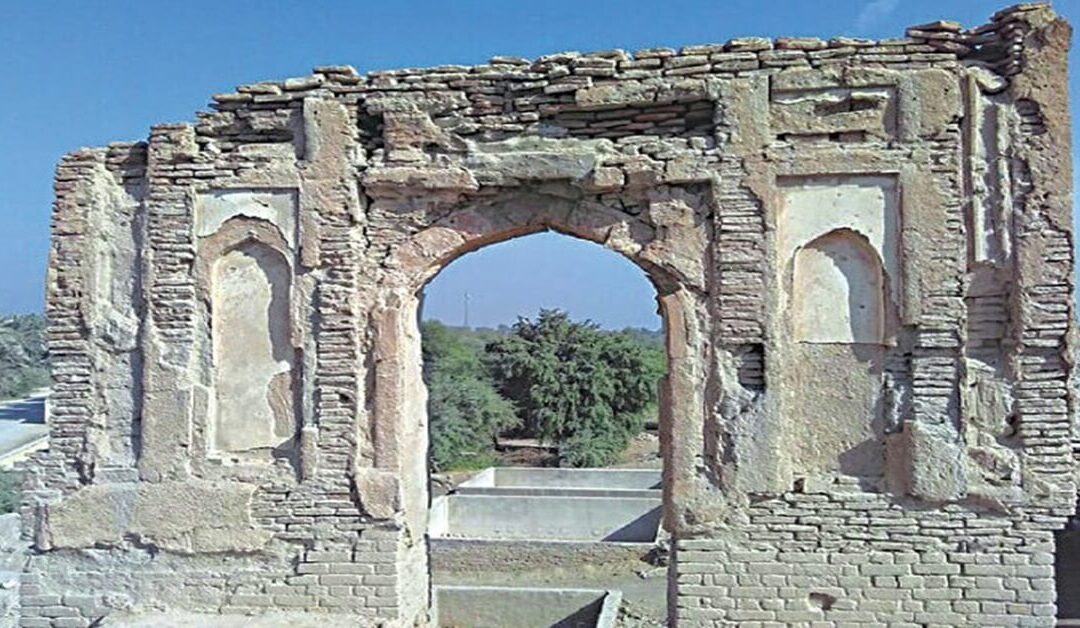
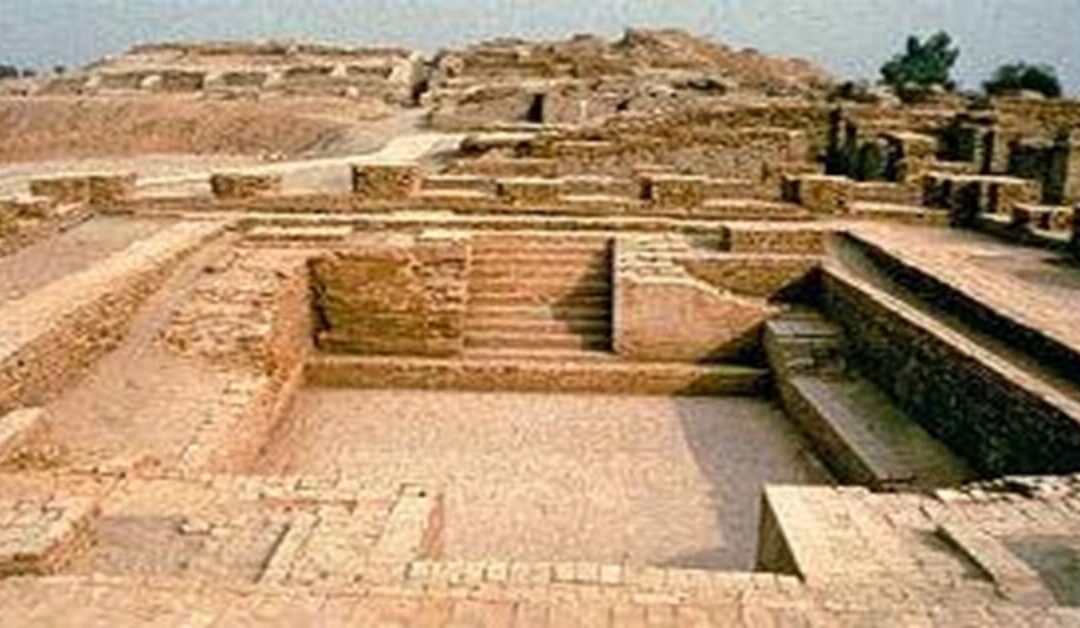
ಸಿಂಧೂ ನಾಗರಿಕತೆ, ಅತ್ಯಂತ ಗಮನಾರ್ಹವಾದ ಪ್ರಾಚೀನ ನಾಗರಿಕತೆಗಳಲ್ಲಿ ಒಂದಾಗಿದ್ದು, ನಂಬಲಾಗದ ನಗರ ಯೋಜನೆಗಳ ಪರಂಪರೆಯನ್ನು ಬಿಟ್ಟುಹೋಗಿದೆ. ನಗರಗಳು, ನಿರ್ದಿಷ್ಟವಾಗಿ ಹರಪ್ಪ ಸಂಸ್ಕೃತಿಯ, ಸುಧಾರಿತ ಮತ್ತು ನಿಖರವಾದ ವಿನ್ಯಾಸಗಳನ್ನು ಪ್ರದರ್ಶಿಸಿದವು, ಅದು ಅನೇಕ ವಿಧಗಳಲ್ಲಿ, ಅವರ ಕಾಲಕ್ಕಿಂತ ಮುಂದಿತ್ತು. ಅವರ ನಗರ ಯೋಜನೆಯ ಕೆಲವು ಪ್ರಮುಖ ಅಂಶಗಳನ್ನು ಇಲ್ಲಿ ನೋಡೋಣ:

1. ನಗರ ಯೋಜನೆ: ವಿಶಾಲವಾದ, ಉತ್ತಮವಾಗಿ-ರಚನಾತ್ಮಕ ಬೀದಿಗಳು:

ಮೊಹೆಂಜೋದಾರೊದಂತಹ ಗಮನಾರ್ಹ ನಗರಗಳನ್ನು ಒಳಗೊಂಡಂತೆ ಹರಪ್ಪ ಸಂಸ್ಕೃತಿಯ ನಗರಗಳು ಆಧುನಿಕ ನಗರ ವಿನ್ಯಾಸಕ್ಕೆ ಪ್ರತಿಸ್ಪರ್ಧಿಯಾಗುವಂತೆ ನಿಖರವಾಗಿ ಯೋಜಿಸಲಾಗಿದೆ. ಬೀದಿಗಳು ಅಗಲ ಮತ್ತು ನೇರವಾಗಿರುವುದು ಮಾತ್ರವಲ್ಲದೆ ಗ್ರಿಡ್ ಮಾದರಿಯಲ್ಲಿಯೂ ಸಹ ಹಾಕಲ್ಪಟ್ಟವು, ಕೆಲವು ಬೀದಿಗಳು 32 ಅಡಿ ಅಗಲ ಮತ್ತು ಒಂದು ಮೈಲಿ ಉದ್ದದವರೆಗೆ ವಿಸ್ತರಿಸಲ್ಪಟ್ಟಿವೆ. ಇದು ಗಮನಾರ್ಹವಾದ ದಟ್ಟಣೆಯ ಹರಿವಿಗೆ ಅವಕಾಶ ಮಾಡಿಕೊಟ್ಟಿತು. ಐತಿಹಾಸಿಕ ಪುರಾವೆಗಳು ಮೊಹೆಂಜೊದಾರೊದ ಮುಖ್ಯ ಬೀದಿಯಲ್ಲಿ ಏಳು ಬಂಡಿಗಳು ಅಕ್ಕಪಕ್ಕದಲ್ಲಿ ಚಲಿಸಬಹುದೆಂದು ಸೂಚಿಸುತ್ತವೆ. ಸೆಕೆಂಡರಿ ಬೀದಿಗಳು ಕಿರಿದಾಗಿದ್ದರೂ (9 ರಿಂದ 34 ಅಡಿಗಳವರೆಗೆ), ಅದೇ ನೇರವಾದ, ಆಯತಾಕಾರದ ವಿನ್ಯಾಸವನ್ನು ನಿರ್ವಹಿಸಿ, ನಗರದ ಸಮರ್ಥ ಚಲನೆಯನ್ನು ಹೆಚ್ಚಿಸಿತು.

ಅಂತಹ ವ್ಯವಸ್ಥೆಯು ಸಿಂಧೂ ನಾಗರಿಕತೆಯು ಸೌಂದರ್ಯಶಾಸ್ತ್ರಕ್ಕೆ ಮಾತ್ರವಲ್ಲದೆ ಕ್ರಿಯಾತ್ಮಕತೆಗೆ ಆದ್ಯತೆ ನೀಡಿದೆ. ಇದು ತಮ್ಮ ನಗರಗಳಲ್ಲಿ ವ್ಯಾಪಾರ, ಸಂವಹನ ಮತ್ತು ಸಾರಿಗೆಯನ್ನು ಸುಗಮಗೊಳಿಸುವ ಸಂಘಟಿತ ನಗರ ಪರಿಸರವನ್ನು ಸೃಷ್ಟಿಸಿದೆ.

2. ಬೀದಿ ದೀಪಗಳು ಮತ್ತು ಕಸದ ತೊಟ್ಟಿಗಳು: ಆರಂಭಿಕ ಸಾರ್ವಜನಿಕ ಉಪಯುಕ್ತತೆಗಳು:

ಸಿಂಧೂ ನಗರ ಯೋಜನೆಯ ಅತ್ಯಂತ ಆಕರ್ಷಕ ಅಂಶವೆಂದರೆ ಸಾರ್ವಜನಿಕ ಮೂಲಸೌಕರ್ಯಕ್ಕೆ ಅವರ ಗಮನ. ಉತ್ಖನನ ಸ್ಥಳಗಳಲ್ಲಿ ಗಮನಾರ್ಹ ಸಂಖ್ಯೆಯ ದೀಪ ಸ್ತಂಭಗಳು ಕಂಡುಬಂದಿವೆ, ಇದು ಬೀದಿ ದೀಪ ವ್ಯವಸ್ಥೆಯ ಉಪಸ್ಥಿತಿಯನ್ನು ಸೂಚಿಸುತ್ತದೆ. ಇದು ಆ ಯುಗದ ಪ್ರಭಾವಶಾಲಿ ಸಾಧನೆಯಾಗಿದೆ. ಇದು ಕತ್ತಲ ರಾತ್ರಿಗೆ ಬೆಳಕನ್ನು ಒದಗಿಸುತ್ತ ಆ ಹೊತ್ತಿನಲ್ಲೂ ನಗರಗಳನ್ನು ಹೆಚ್ಚು ಸಂಚಾರಯೋಗ್ಯವಾಗಿಸುತ್ತಿತ್ತು.

ಬೀದಿ ದೀಪಗಳ ಜೊತೆಗೆ, ನಗರಗಳು ಪ್ರತಿ ರಸ್ತೆಯಲ್ಲೂ ಸಾರ್ವಜನಿಕ ಬಾವಿಗಳನ್ನು ಹೊಂದಿದ್ದು, ನಿವಾಸಿಗಳಿಗೆ ನೀರಿನ ಅಗತ್ಯವನ್ನು ಪೂರೈಸುತ್ತಿತ್ತು. ಕಸದ ತೊಟ್ಟಿಗಳನ್ನು ಆಯಕಟ್ಟಿನ ರೀತಿಯಲ್ಲಿ ಬೀದಿಗಳಲ್ಲಿ ಇರಿಸಲಾಯಿತು, ಇದು ಮನೆಯ ತ್ಯಾಜ್ಯವನ್ನು ನಿರ್ವಹಿಸಲು ಮತ್ತು ಎಲ್ಲೆಂದರಲ್ಲಿ ಕಸವನ್ನು ಬಿಸಾಕುವ ಪ್ರವೃತ್ತಿಯನ್ನು ತಡೆಗಟ್ಟಲು ನವೀನ ಪರಿಹಾರವಾಗಿದೆ. ಇದು ಉನ್ನತ ಮಟ್ಟದ ನಾಗರಿಕ ಜಾಗೃತಿ ಮತ್ತು ಸಾರ್ವಜನಿಕ ಸ್ಥಳಗಳಲ್ಲಿ ಶುಚಿತ್ವವನ್ನು ಕಾಪಾಡಿಕೊಳ್ಳುವ ಬದ್ಧತೆಯನ್ನು ಪ್ರತಿಬಿಂಬಿಸುತ್ತದೆ.

3. ಸುಧಾರಿತ ಒಳಚರಂಡಿ ವ್ಯವಸ್ಥೆ: ಸ್ವಚ್ಛತೆ ಮತ್ತು ನೈರ್ಮಲ್ಯ:

ಸಿಂಧೂ ನಾಗರಿಕತೆಯ ನಗರಗಳಲ್ಲಿನ ಒಳಚರಂಡಿ ವ್ಯವಸ್ಥೆಗಳು ಅಸಾಮಾನ್ಯವಾದುದೇನೂ ಆಗಿರಲಿಲ್ಲ. ಬೀದಿಗಳ ಎರಡೂ ಬದಿಗಳಲ್ಲಿ ಚರಂಡಿಗಳನ್ನು ನಿರ್ಮಿಸಲಾಗಿದೆ. ಸಣ್ಣ ಬೀದಿಗಳಿಗೆ 1 ರಿಂದ 2 ಅಡಿ ಮತ್ತು ಮುಖ್ಯ ಚರಂಡಿಗಳಿಗೆ 5 ಅಡಿ ಆಳದಲ್ಲಿ ವ್ಯತ್ಯಾಸವಿದೆ. ಈ ಅಂತರ್‌ಸಂಪರ್ಕಿತ ಚರಂಡಿಗಳು ನದಿಗಳಿಗೆ ದಾರಿ ಮಾಡಿಕೊಟ್ಟು, ಸಮರ್ಥ ತ್ಯಾಜ್ಯ ವಿಲೇವಾರಿ ವ್ಯವಸ್ಥೆಯನ್ನು ಖಾತ್ರಿಪಡಿಸಿದವು. ಗಮನಾರ್ಹವಾದ ವಿಷಯವೆಂದರೆ ಚರಂಡಿಗಳನ್ನು ಕಲ್ಲು ಮತ್ತು ಸುಟ್ಟ ಇಟ್ಟಿಗೆಗಳನ್ನು ಬಳಸಿ ನಿರ್ಮಿಸಲಾಗಿದೆ ಮತ್ತು ಕಲ್ಲಿನ ಚಪ್ಪಡಿಗಳಿಂದ ಮುಚ್ಚಲಾಗಿದೆ. ಇದು ಬಾಳಿಕೆ ಮತ್ತು ವಿನ್ಯಾಸ ಪರಿಣತಿಯನ್ನು ಪ್ರದರ್ಶಿಸುತ್ತದೆ.

ಶೌಚಾಲಯದಿಂದ ಮನೆಯ ತ್ಯಾಜ್ಯ ನೀರನ್ನು ಟೈಲ್ಡ್ ಪೈಪ್‌ಗಳ ಮೂಲಕ ಬೀದಿ ಚರಂಡಿಗಳಿಗೆ ಬಿಡಲಾಗುತ್ತಿತ್ತು. ಇದರಿಂದ ನೀರು  ಎಲ್ಲಿಯೂ ನಿಲ್ಲುತ್ತಿರಲಿಲ್ಲ. ಆಧುನಿಕ ಮಾದರಿಯ ಮ್ಯಾನ್‌ಹೋಲ್‌ಗಳು ಇದ್ದು, ಇದರಿಂದ ಜನರು ನಿಯಮಿತವಾಗಿ ಚರಂಡಿಗಳನ್ನು ಸ್ವಚ್ಛಗೊಳಿಸಲು ಅವಕಾಶ ಸಿಗುತ್ತಿತ್ತು. ಕೆಲವು ನಗರಗಳು ಚರಂಡಿಗಳ ಬಳಿ ಬಾವಿಗಳನ್ನು ಹೊಂದಿದ್ದವು. ಆದರೂ ಇದು ಸಾಂದರ್ಭಿಕವಾಗಿ ಮಾಲಿನ್ಯಕ್ಕೆ ಕಾರಣವಾಯಿತು, ಇದೊಂದು  ಪ್ರಾಚೀನ ಕಾಲದ ಅದ್ಭುತ ವ್ಯವಸ್ಥೆಯಲ್ಲಿ ಒಂದು ಸಣ್ಣ ದೋಷವಾಗಿದೆ.

ಉಪಸಂಹಾರ:

ಸಿಂಧೂ ನಾಗರಿಕತೆಯ ನಗರ ಯೋಜನೆಯು ಭೂತಕಾಲಕ್ಕೆ ಆಕರ್ಷಕ ಕಿಟಕಿಯನ್ನು ಒದಗಿಸುತ್ತದೆ, ಇದು ಆದೇಶ, ಸ್ವಚ್ಛತೆ ಮತ್ತು ಸಾರ್ವಜನಿಕ ಕಲ್ಯಾಣವನ್ನು ಗೌರವಿಸುವ ಸಮಾಜವನ್ನು ಬಹಿರಂಗಪಡಿಸುತ್ತದೆ. ಅವರ ಮುಂದುವರಿದ ನಗರ ವಿನ್ಯಾಸಗಳು, ಸಮಗ್ರ ಒಳಚರಂಡಿ ವ್ಯವಸ್ಥೆಗಳು ಮತ್ತು ಚಿಂತನಶೀಲ ಸಾರ್ವಜನಿಕ ಉಪಯುಕ್ತತೆಗಳು ಉನ್ನತ ಮಟ್ಟದ ನಾಗರಿಕ ಸಂಘಟನೆಯನ್ನು ಸೂಚಿಸುತ್ತವೆ. ಸಿಂಧೂ ನಾಗರಿಕತೆಯು ನಗರ ಅಭಿವೃದ್ಧಿಯ ವಿಷಯದಲ್ಲಿ ಅದರ ಕಾಲಕ್ಕಿಂತ ಬಹಳ ಮುಂದಿದೆ ಎಂಬುದನ್ನು  ತೋರಿಸುತ್ತದೆ.
ಭಾರತೀಯ ಇತಿಹಾಸದಲ್ಲಿ ನವಶಿಲಾಯುಗದ ಅವಧಿ

ಭಾರತೀಯ ಇತಿಹಾಸದಲ್ಲಿ ನವಶಿಲಾಯುಗದ ಅವಧಿ

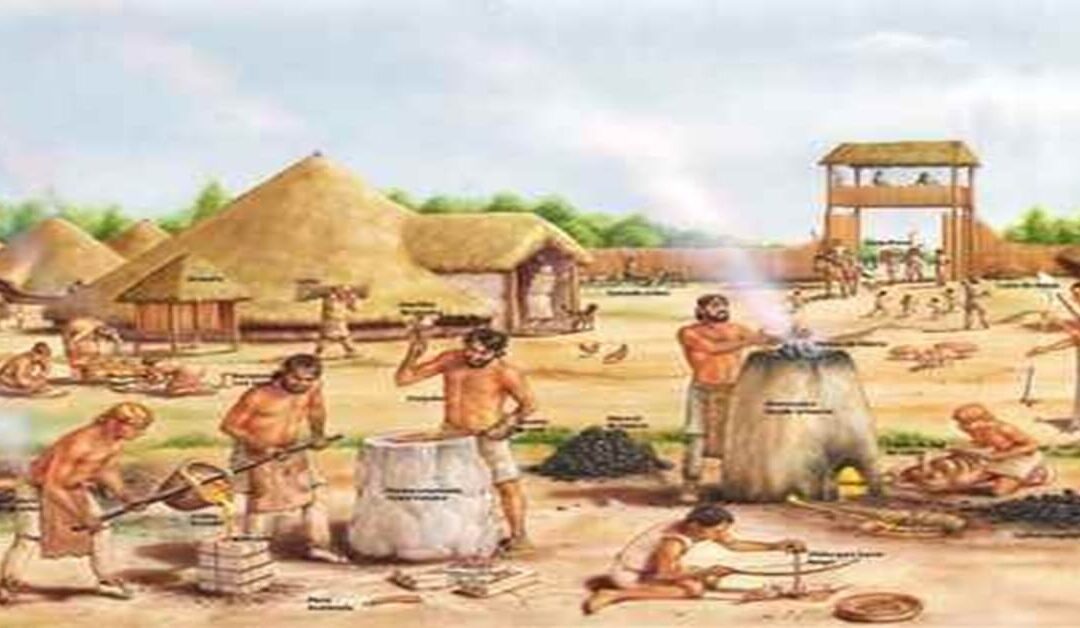
ಹೊಸ ಶಿಲಾಯುಗ ಎಂದೂ ಕರೆಯಲ್ಪಡುವ ನವಶಿಲಾಯುಗದ ಅವಧಿಯು ಭಾರತೀಯ ಇತಿಹಾಸದಲ್ಲಿ ಮಹತ್ವದ ಯುಗವನ್ನು ಗುರುತಿಸುತ್ತದೆ, ಅಲೆಮಾರಿ ಜೀವನಶೈಲಿಯಿಂದ ನೆಲೆಸಿದ ಕೃಷಿ ಸಮುದಾಯಗಳಿಗೆ ಪರಿವರ್ತನೆಯಿಂದ ನಿರೂಪಿಸಲ್ಪಟ್ಟಿದೆ. ಈ ಅವಧಿಯು ಸರಿಸುಮಾರು 7000 BCE ನಿಂದ 1000 BCE ವರೆಗೆ ವ್ಯಾಪಿಸಿದೆ, ಇದು ಭಾರತೀಯ ಉಪಖಂಡದಲ್ಲಿ ನಾಗರೀಕತೆಯ ಉದಯವನ್ನು ಪ್ರತಿನಿಧಿಸುತ್ತದೆ, ಉಪಕರಣಗಳು, ಕೃಷಿ ಮತ್ತು ಸಾಮಾಜಿಕ ಸಂಘಟನೆಯಲ್ಲಿ ಪ್ರಗತಿಯನ್ನು ಹೊಂದಿದೆ.

ನವಶಿಲಾಯುಗ ಕಾಲದ ಪ್ರಮುಖ ಲಕ್ಷಣಗಳು
1. ಕೃಷಿಗೆ ಪರಿವರ್ತನೆ

* ನವಶಿಲಾಯುಗದ ಅವಧಿಯು ಬೇಟೆಯಾಡುವಿಕೆ ಮತ್ತು ಸಂಗ್ರಹಣೆಯಿಂದ ಕೃಷಿಗೆ ಪ್ರಾಥಮಿಕ ಜೀವನೋಪಾಯದ ಮಾರ್ಗವನ್ನು ಕಂಡಿತು.

* ಜನರು ಗೋಧಿ, ಬಾರ್ಲಿ, ಮಸೂರ ಮತ್ತು ಅಕ್ಕಿಯಂತಹ ಬೆಳೆಗಳನ್ನು ಮತ್ತು ದನ, ಕುರಿ ಮತ್ತು ಮೇಕೆಗಳಂತಹ ಸಾಕುಪ್ರಾಣಿಗಳನ್ನು ಬೆಳೆಸಿದರು.

2. ಸೆಟ್ಲ್ಮೆಂಟ್ ಪ್ಯಾಟರ್ನ್ಸ್

* ಶಾಶ್ವತ ಗ್ರಾಮಗಳ ಸ್ಥಾಪನೆಯಿಂದ ಅವಧಿಯನ್ನು ಗುರುತಿಸಲಾಗಿದೆ.

* ಆರಂಭಿಕ ವಸಾಹತುಗಳು ನದಿಗಳ ಬಳಿ ನೆಲೆಗೊಂಡಿವೆ, ಇದು ಕೃಷಿ ಮತ್ತು ಫಲವತ್ತಾದ ಮಣ್ಣಿಗೆ ನೀರನ್ನು ಒದಗಿಸಿತು.

ಭಾರತದಲ್ಲಿನ ಪ್ರಮುಖ ನವಶಿಲಾಯುಗದ ತಾಣಗಳು ಸೇರಿವೆ:
ಮೆಹರ್‌ಗಢ್ (ಇಂದಿನ ಪಾಕಿಸ್ತಾನ):

7000 BCE ಗೆ ಹಿಂದಿನ ಕೃಷಿ ವಸಾಹತುಗಳಲ್ಲಿ ಒಂದಾಗಿದೆ.

ಬುರ್ಜಾಹೋಮ್ (ಕಾಶ್ಮೀರ):

ಪಿಟ್ ವಾಸಸ್ಥಾನಗಳು ಮತ್ತು ಉಪಕರಣಗಳಿಗೆ ಹೆಸರುವಾಸಿಯಾಗಿದೆ.

ಚಿರಂದ್ (ಬಿಹಾರ):

ಭತ್ತದ ಕೃಷಿಯ ಪುರಾವೆ.

ಬ್ರಹ್ಮಗಿರಿ (ಕರ್ನಾಟಕ):

ಬೂದಿ ದಿಬ್ಬಗಳು ಮತ್ತು ಪಶುಪಾಲನೆಗೆ ಹೆಸರುವಾಸಿಯಾಗಿದೆ.

3. ಉಪಕರಣ ಮತ್ತು ಕುಂಬಾರಿಕೆ ಪ್ರಗತಿಗಳು

* ಕೃಷಿ, ಬೇಟೆ ಮತ್ತು ನಿರ್ಮಾಣಕ್ಕಾಗಿ ನಯಗೊಳಿಸಿದ ಕಲ್ಲಿನ ಉಪಕರಣಗಳನ್ನು ಬಳಸುವುದರೊಂದಿಗೆ ಉಪಕರಣಗಳು ಹೆಚ್ಚು ಪರಿಷ್ಕರಿಸಲ್ಪಟ್ಟವು.

* ಕುಂಬಾರಿಕೆಯು ಒಂದು ಅತ್ಯಗತ್ಯ ಕರಕುಶಲವಾಗಿ ಹೊರಹೊಮ್ಮಿತು, ಸಂಗ್ರಹಣೆ ಮತ್ತು ಅಡುಗೆಗಾಗಿ ಕೈಯಿಂದ ಮಾಡಿದ ಮತ್ತು ನಂತರ ಚಕ್ರ-ನಿರ್ಮಿತ ಮಡಕೆಗಳ ಉತ್ಪಾದನೆಯೊಂದಿಗೆ.

ಈ ಯುಗದ ಚಿತ್ರಿಸಿದ ಮಡಿಕೆಗಳು ಕಲಾತ್ಮಕ ಅಭಿವ್ಯಕ್ತಿಯ ಆರಂಭಿಕ ಚಿಹ್ನೆಗಳನ್ನು ತೋರಿಸುತ್ತದೆ.

4. ಪ್ರಾಣಿಗಳ ಸಾಕಣೆ

* ಕೃಷಿಯ ಜೊತೆಗೆ, ಪ್ರಾಣಿಗಳ ಪಳಗಿಸುವಿಕೆಯು ನವಶಿಲಾಯುಗದ ಜೀವನದ ನಿರ್ಣಾಯಕ ಭಾಗವಾಯಿತು.

* ಜನರು ದನ, ಕುರಿ, ಮೇಕೆ ಮತ್ತು ಹಂದಿಗಳನ್ನು ಆಹಾರ, ಕಾರ್ಮಿಕ ಮತ್ತು ಇತರ ಸಂಪನ್ಮೂಲಗಳಿಗಾಗಿ ಸಾಕಿದರು.

5. ಸಾಮಾಜಿಕ ಸಂಸ್ಥೆ

* ಶಾಶ್ವತ ವಸಾಹತುಗಳ ಹೊರಹೊಮ್ಮುವಿಕೆಯು ಸಂಘಟಿತ ಸಮಾಜಗಳ ಅಭಿವೃದ್ಧಿಗೆ ಕಾರಣವಾಯಿತು.

* ಕಾರ್ಮಿಕರ ವಿಭಜನೆ ಇತ್ತು, ವಿಭಿನ್ನ ವ್ಯಕ್ತಿಗಳು ಕೃಷಿ, ಉಪಕರಣ ತಯಾರಿಕೆ ಮತ್ತು ಕುಂಬಾರಿಕೆಯಲ್ಲಿ ಪರಿಣತಿ ಹೊಂದಿದ್ದರು.

6. ಧಾರ್ಮಿಕ ನಂಬಿಕೆಗಳು

* ನವಶಿಲಾಯುಗದ ಅವಧಿಯಲ್ಲಿ ಆರಂಭಿಕ ಧಾರ್ಮಿಕ ಆಚರಣೆಗಳು ಪ್ರಾರಂಭವಾದವು.

* ಜನರು ಸಮಾಧಿ ಆಚರಣೆಗಳು ಮತ್ತು ಮರಣಾನಂತರದ ಜೀವನದಲ್ಲಿ ನಂಬಿಕೆಯನ್ನು ಸೂಚಿಸುವ ಸಮಾಧಿ ವಸ್ತುಗಳ ಪುರಾವೆಗಳೊಂದಿಗೆ ಪ್ರಕೃತಿ ಮತ್ತು ನೈಸರ್ಗಿಕ ಶಕ್ತಿಗಳನ್ನು ಪೂಜಿಸಿದರು.

ಭಾರತದಲ್ಲಿನ ಪ್ರಮುಖ ನವಶಿಲಾಯುಗದ ತಾಣಗಳು
1. ಮೆಹರ್ಗಢ್

ಬಲೂಚಿಸ್ತಾನದಲ್ಲಿ (ಇಂದಿನ ಪಾಕಿಸ್ತಾನ) ಇದೆ.

ಅತ್ಯಾಧುನಿಕ ಉಪಕರಣಗಳು ಮತ್ತು ಕುಂಬಾರಿಕೆಯೊಂದಿಗೆ ಬೇಸಾಯ ಮತ್ತು ದನಗಾಹಿಗಳ ಆರಂಭಿಕ ಪುರಾವೆಗಳು.

2. ಬುರ್ಜಾಹೋಮ್

ಕಾಶ್ಮೀರದಲ್ಲಿದೆ.

ಪಿಟ್ ವಾಸಸ್ಥಾನಗಳು, ಕಲ್ಲಿನ ಉಪಕರಣಗಳು ಮತ್ತು ಬೇಟೆಯಾಡುವುದು ಮತ್ತು ಬೇಸಾಯದ ಪುರಾವೆಗಳಿಗೆ ಹೆಸರುವಾಸಿಯಾಗಿದೆ.

3. ಚಿರಂಡ್

ಬಿಹಾರದಲ್ಲಿದೆ.

ಭತ್ತದ ಕೃಷಿ, ಕುಂಬಾರಿಕೆ ಮತ್ತು ಮೂಳೆ ಉಪಕರಣಗಳ ಪುರಾವೆ.

4. ದೌಜಲಿ ಹ್ಯಾಡಿಂಗ್

ಅಸ್ಸಾಂನಲ್ಲಿ ಕಂಡುಬಂದಿದೆ.

ನಯಗೊಳಿಸಿದ ಕಲ್ಲಿನ ಉಪಕರಣಗಳು ಮತ್ತು ಕೈಯಿಂದ ಮಾಡಿದ ಮಡಿಕೆಗಳಿಗೆ ಹೆಸರುವಾಸಿಯಾಗಿದೆ.

5. ಬ್ರಹ್ಮಗಿರಿ

ಕರ್ನಾಟಕದಲ್ಲಿದೆ.

ಬೂದಿ ದಿಬ್ಬಗಳ ಪುರಾವೆ ಮತ್ತು ಜಾನುವಾರುಗಳ ಆರಂಭಿಕ ಪಳಗಿಸುವಿಕೆ.

ಬಲೂಚಿಸ್ತಾನದಲ್ಲಿ (ಇಂದಿನ ಪಾಕಿಸ್ತಾನ) ಇದೆ.

ಅತ್ಯಾಧುನಿಕ ಉಪಕರಣಗಳು ಮತ್ತು ಕುಂಬಾರಿಕೆಯೊಂದಿಗೆ ಬೇಸಾಯ ಮತ್ತು ದನಗಾಹಿಗಳ ಆರಂಭಿಕ ಪುರಾವೆಗಳು.

ಭಾರತೀಯ ಇತಿಹಾಸದಲ್ಲಿ ನವಶಿಲಾಯುಗ ಕಾಲದ ಮಹತ್ವ
1. ನಾಗರಿಕತೆಯ ಅಡಿಪಾಯ

ನವಶಿಲಾಯುಗದ ಅವಧಿಯು ಸಿಂಧೂ ಕಣಿವೆ ನಾಗರಿಕತೆಯಂತಹ ನಗರ ನಾಗರಿಕತೆಗಳ ನಂತರದ ಬೆಳವಣಿಗೆಗೆ ಅಡಿಪಾಯವನ್ನು ಹಾಕಿತು.

2. ತಂತ್ರಜ್ಞಾನದಲ್ಲಿ ಪ್ರಗತಿಗಳು

ಉಪಕರಣಗಳ ಪರಿಷ್ಕರಣೆ ಮತ್ತು ಕುಂಬಾರಿಕೆಯ ಆವಿಷ್ಕಾರವು ಗಮನಾರ್ಹ ತಾಂತ್ರಿಕ ಪ್ರಗತಿಯನ್ನು ಪ್ರದರ್ಶಿಸಿತು.

3. ಕೃಷಿ ಕ್ರಾಂತಿ

ಕೃಷಿಯ ಅಳವಡಿಕೆಯು ಮಾನವ ಸಮಾಜವನ್ನು ಪರಿವರ್ತಿಸಿತು, ಜನಸಂಖ್ಯೆಯ ಬೆಳವಣಿಗೆ ಮತ್ತು ಶಾಶ್ವತ ವಸಾಹತುಗಳನ್ನು ಸಕ್ರಿಯಗೊಳಿಸಿತು.

4. ಸಾಂಸ್ಕೃತಿಕ ವಿಕಾಸ

ನವಶಿಲಾಯುಗದ ಯುಗವು ಕುಂಬಾರಿಕೆ-ತಯಾರಿಕೆ, ಉಪಕರಣ-ತಯಾರಿಕೆ ಮತ್ತು ನೈಸರ್ಗಿಕ ಅಂಶಗಳ ಆರಾಧನೆಯಂತಹ ಸಾಂಸ್ಕೃತಿಕ ಆಚರಣೆಗಳ ಆರಂಭವನ್ನು ಗುರುತಿಸಿತು.

5. ಚಾಲ್ಕೋಲಿಥಿಕ್ ಯುಗಕ್ಕೆ ಪರಿವರ್ತನೆ

ನವಶಿಲಾಯುಗವು ಕಲ್ಲಿನ ಉಪಕರಣಗಳ ಜೊತೆಗೆ ಲೋಹದ ಉಪಕರಣಗಳು, ವಿಶೇಷವಾಗಿ ತಾಮ್ರವನ್ನು ಪರಿಚಯಿಸುವುದರೊಂದಿಗೆ ಚಾಲ್ಕೊಲಿಥಿಕ್ ಯುಗಕ್ಕೆ ಪರಿವರ್ತನೆಯಾಯಿತು.

ನವಶಿಲಾಯುಗದ ಅವಧಿಯು ಭಾರತೀಯ ಇತಿಹಾಸದಲ್ಲಿ ಪರಿವರ್ತನೆಯ ಹಂತವನ್ನು ಪ್ರತಿನಿಧಿಸುತ್ತದೆ, ಇದು ನೆಲೆಸಿದ ಜೀವನ, ಕೃಷಿ ಮತ್ತು ಸಾಮಾಜಿಕ ಸಂಘಟನೆಯ ಉದಯವನ್ನು ಗುರುತಿಸುತ್ತದೆ. ಅದರ ಕೊಡುಗೆಗಳು ಕಂಚಿನ ಯುಗದಲ್ಲಿ ಅನುಸರಿಸಿದ ಸಾಂಸ್ಕೃತಿಕ ಮತ್ತು ತಾಂತ್ರಿಕ ಪ್ರಗತಿಗಳಿಗೆ ಮತ್ತು ಆರಂಭಿಕ ಭಾರತೀಯ ನಾಗರಿಕತೆಗಳ ಉಗಮಕ್ಕೆ ಅಡಿಪಾಯವನ್ನು ಹಾಕಿದವು.

ಭಾರತೀಯ ಇತಿಹಾಸದಲ್ಲಿ ನವಶಿಲಾಯುಗದ ಅವಧಿ

The Neolithic Period in Indian History

The Neolithic Period, also known as the New Stone Age, marks a significant era in Indian history, characterized by the transition from a nomadic lifestyle to settled agricultural communities. This period, spanning roughly from 7000 BCE to 1000 BCE, represents the dawn of civilization in the Indian subcontinent, with advancements in tools, agriculture, and social organization.

Key Features of the Neolithic Period
1. Transition to Agriculture

1. The Neolithic period saw the shift from hunting and gathering to agriculture as the primary means of sustenance.

2. People cultivated crops such as wheat, barley, lentils, and rice, and domesticated animals like cattle, sheep, and goats.

2. Settlement Patterns

1. The period is marked by the establishment of permanent villages.

2. Early settlements were located near rivers, which provided water for agriculture and fertile soil.

3. Important Neolithic sites in India include:

1. Mehrgarh (present-day Pakistan):

One of the earliest known farming settlements, dating back to 7000 BCE.

2. Burzahom (Kashmir):

Known for pit dwellings and tools.

3. Chirand (Bihar):

Evidence of rice cultivation. 

4. Brahmagiri (Karnataka):

Known for ash mounds and animal husbandry.

3. Tool and Pottery Advancements

1. Tools became more refined, with the use of polished stone tools for farming, hunting, and construction.

2. Pottery emerged as an essential craft, with the production of hand-made and later wheel-made pots for storage and cooking.

3. Painted pottery from this era shows early signs of artistic expression.

4. Domestication of Animals

1. Along with farming, the domestication of animals became a crucial part of Neolithic life.

2. People raised cattle, sheep, goats, and pigs for food, labor, and other resources.

5. Social Organization

1. The emergence of permanent settlements led to the development of organized societies.

2. There was a division of labor, with different individuals specializing in farming, tool-making, and pottery.

6. Religious Beliefs

1. Early religious practices began during the Neolithic period.

2. People worshipped nature and natural forces, with evidence of burial practices and grave goods suggesting belief in an afterlife.

Major Neolithic Sites in India
1. Mehrgarh

1. Located in Baluchistan (modern-day Pakistan).

2. Earliest evidence of farming and herding, with sophisticated tools and pottery.

2. Burzahom

1. Situated in Kashmir.

2. Known for pit dwellings, stone tools, and evidence of hunting and farming.

3. Chirand

1. Located in Bihar.

2. Evidence of rice cultivation, pottery, and bone tools.

4. Daojali Hading

1. Found in Assam.

2. Known for polished stone tools and handmade pottery.

5. Brahmagiri

1. Located in Karnataka.

2. Evidence of ash mounds and early domestication of cattle.

Significance of the Neolithic Period in Indian History
1. Foundation of Civilization

The Neolithic period laid the groundwork for the later development of urban civilizations such as the Indus Valley Civilization.

2. Advances in Technology

The refinement of tools and the invention of pottery demonstrated significant technological progress.

3. Agricultural Revolution

The adoption of farming transformed human society, enabling the growth of populations and permanent settlements.

4. Cultural Evolution

The Neolithic era marked the beginning of cultural practices such as pottery-making, tool-making, and the worship of natural elements.

5. Transition to the Chalcolithic Age

The Neolithic period transitioned into the Chalcolithic Age with the introduction of metal tools, especially copper, alongside stone tools.

The Neolithic Period represents a transformative phase in Indian history, marking the dawn of settled life, agriculture, and social organization. Its contributions laid the foundation for the cultural and technological advancements that followed in the Bronze Age and the rise of early Indian civilizations.

The Arab Invasion of Sind (711 CE)

The Arab Invasion of Sind (711 CE)

The Arab invasion of Sind marked a significant milestone in the history of India. Led by Muhammad bin Qasim, this event not only established the first Islamic foothold in the Indian subcontinent but also initiated cultural and economic exchanges that shaped the region’s history. Below is an overview of the invasion and its consequences:

Background

1. The invasion of Sind was part of the Umayyad Caliphate’s expansionist policies under Caliph Al-Walid I.

2. The region of Sind, ruled by the Brahman dynasty under Raja Dahir, was economically prosperous and strategically located near trade routes connecting the Arabian Peninsula, Persia, and India.

3. The immediate trigger for the invasion was the plundering of Arab merchant ships near the port of Debal by local pirates. Appeals for justice made to Raja Dahir were unsuccessful, prompting the Caliph to order a military campaign.

The Invasion

1. Muhammad bin Qasim, a young and skilled general, was appointed to lead the campaign.

2. In 711 CE, Qasim launched his invasion with a well-equipped army and advanced siege weaponry.

3. Key events of the invasion:

Capture of Debal: Qasim’s forces conquered the port city of Debal after fierce resistance.

Victory over Raja Dahir: The decisive battle took place near the Indus River, where Raja Dahir was defeated and killed.

Conquest of Sind and Multan: The Arab forces proceeded to capture important cities like Brahmanabad and Multan, consolidating their control over Sind.

Consequences of the Invasion
1. Establishment of Islamic Rule:

1. Sind became part of the Umayyad Caliphate, establishing the first Islamic province in India.

2. This marked the beginning of Islam’s presence in the Indian subcontinent.

2.Cultural and Religious Impact:

1. The Arab rulers adopted a policy of religious tolerance, allowing local Hindus and Buddhists to continue practicing their faith in exchange for paying a jizya(tax).

2. The invasion introduced Islamic culture, governance, and lawto Sind.

3.Trade and Economic Impact:

1. Sind’s incorporation into the Caliphate expanded trade between India, the Middle East, and Central Asia.

2. Ports like Debal facilitated the exchange of goods, ideas, and technologies.

4.Long-term Influence:

1. The Arab invasion paved the way for later Muslim invasions and the eventual establishment of Islamic empires in India, such as the Delhi Sultanate and the Mughal Empire.

2. It also influenced the cultural and linguistic development of the region, blending Arab and Indian traditions.

Significance

The Arab invasion of Sind was not merely a military conquest; it was a turning point in Indian history that marked the beginning of Islamic influence in the subcontinent. Despite being limited in territorial extent, the cultural and economic interactions initiated by this invasion had a lasting impact on the Indian subcontinent’s history and identity.

Sangam Era or Sangam Literature

Sangam Era or Sangam Literature

Meaning:

Sangham means a gathering, the word Sangam is derived from the Tamil word Kudal. The Tamil word Kudal was used by Buddhists and Jains as the Sanskrit word Sangha. Therefore, the two words Kudal and Sangam are synonymous. Sangam is an organization that created Tamil literature or Vidvat Gosthi literature means the thought-filled literature created by the learned people of the gathering. In this literary gathering, innumerable philosophers, poets and scholars participated and found solutions to problems. Since the Sangam literary gatherings were held under the patronage of the Pandya kings, they also participated in the scholarly gathering and displayed their erudition. Since the royal family participated in this gathering in large numbers, it became more and more popular. Especially since Tamil was the main language of this gathering, the Pandyas, Cheras and Cholas worked especially hard to promote it. This period is called the ‘Sangham Age’ because Tamil was the original language.

There were three Sangams in ancient times. These three Sangams were held over a period of 9990 years, in which 8598 poets participated. About 197 Pandya kings were the great patrons of the Sangam. The names of kings Kadungan and Ugrapperuvaludi have been found in some inscriptions.

Sangam Age:

Although the Sangam Age is generally believed to be the beginning of Tamil literature, many Indian historians have presented their own different opinions about the Sangam Age. Since there is a lot of similarity between the social life mentioned in the poems and epics written during the Sangam Age such as Shilappadhikaram and Manimekhalai and the Greek and Roman writings written in the first century BC, Dr. N. Subramaniam has expressed the opinion that the Sangam Age began in the first century BC. However, Prof. K.A. Neelakanta Shastri has said that the first three centuries are also Sangam periods. The opinion expressed by him has been confirmed by Prof. K. Satyanath Iyer. The Sangams that were patronized by the Pandya kings are as follows.

1) The first Sangam period was found in the city of South Madurai. It was the center of early Tamil literature. The city of Madurai extended up to present-day Kanyakumari. Later, as a result of sea erosion, the city of Madurai was submerged in the sea. The first Sangam culture was presided over by a person named Agattiyar. There were a total of 549 members in it. It existed for about 4400 years. We do not have any texts, works or remains written during this period.

2) The second Sangam culture was found in Kapatapuram. Kapati means door or gate. This city was founded by the Pandya kings. It too was submerged in the sea due to erosion. The Pandyas did not learn from the destruction of the first city of the Sangam, so they had to lose the second city as well. This city is mentioned in the Ramayana. Agattiyar served as the president of the second Sangam. The total number of its members was 49. It lasted for 3700 years. About 59 Pandya kings nurtured and developed it. Although many works were composed during this period, all of them were destroyed and only one work has survived to this day, the Tol Grapiyam. This is the oldest work of the existing Sangam literature. It provides valuable information on the Tamil language and grammar. The work of Tolkapiyam was composed by Tolkapiyar. He is believed to be a disciple of Agastra Muni.

3) The Third Sangam culture began in the present-day city of Madurai. After the city of Kapatipuram was destroyed by the sea, the Pandya king Ugrapperuvaludi founded the city of Madurai on the banks of the Vaigai river and made it his capital. The third Sangam was presided over by Nakkinar. Its total number of members was 49. It lasted for about 1850 years. It was patronized by a total of 59 Pandya kings. According to historians, the description of the first two Sangams is very optimistic and only the third Sangam is said to have existed historically.

Sangam Literature:

The grammar work Tolkapiyam, composed by Tolkapiyar, is the only ancient work surviving in the second Sangam literature. It covers important aspects such as letter combination, word combination, pronunciation, word division, social customs of the time, literary rules, etc. The work has three main sections, each section containing 9 sub-chapters. In addition to 1612 sutras, Agathiyam, Pannirupadalam, Pattapadu, Pavinel, Keel Kanakku, Shilappadikaram, Manimekhalai etc. are the important works belonging to that period. Ettutogai (Eight Poetry Collections)

1) Ainguru Nuru is a collection of 500 elegiac poems compiled by Gudalur Kilari.

2) Narinai poetry collection contains 400 poems. It provides information about music and musicians. There is a lot of description in this work about the important port towns and big cities of that time.

3) Aakananuru contains about 400 love poems. It was compiled by a person called Rudrasharma. It is a very popular book that provides immense information about war and soldiers.

4) Kurantugoi also contains 400 love poems. This collection of poems provides a wealth of information about the beautiful social system of the Sangam era.

5) Purananuru is a huge work containing 400 poems. This collection of poems is written in praise of the kings of that time.

6) Kalitthogai is a collection of poems containing 150 love stories.

7) Paripadal is a work containing 24 verses, in which praise is written about God.

8) Padirupattu is a work of 8 verses written in praise of the Chera kings. The above eight collections of poems contain a total of 2282 verses, which are believed to have been written by a total of 200 poets.

Pathupattu: (Ten Poetry Collections)

Ten poetry collections called Pathupattu were composed during this period. These are:

1) Thirumurugaruppadai

2) Pothunararuppadai

3) Sirupanaruppadde

4) Perumpanararuppadai

5) Malaiprattu

6) Maduraikanchi

7) Nedunamalavadai

8) Kuriyanjippattu

9) Pattinapalai

10) Malaipadukadam. All the above works contain all the themes except predu and prema. All these poems are mainly divided according to the region into Tamil Bhoomi, Hilly region, Dryland, Forest Cultivation Plain and Coast.

Padinenkillanakku (Eighteen Small Treatises)

These are collections of eighteen small poems. They contain a lot of information about war, people’s life and soldiers. They mostly teach moral and ethical rules. The most important of these are

1) Naladiyar

2) Namadikkadigai

3) Insanar Padu

4) Iniyanar Padu

5) Karnar Padu

6) Kalivadinar Nadu

7) Pintinai Aimpadu

8) Pintinai Elapadu

9) Thinaimoli Aimpadu

10) Thinnemolenuraimpadu

11) Innilai

12) Kural

13) Thirikadagam

14) Acharakkovai

15) Talimoli

16) Shirupanchamoolam

17) Mudumolekkanchi

18) Eladi. The most important of these is Thiruvalluvar’s Thiruvakkural. It is known as the Bible of the Tamil land. All the above works deal with Arya Dharma and its ideas, practices, etc.

Two epics:

The second century CE is known as the golden age of Tamil literature. Many epics were composed during this period. They are Shilappadikaram, Manimekhalai, Jivan Sinthamani, Valayapati and Kundalakeshi. Two of these are said to have been written in the second century CE. They are Shilappadikaram written by Ilango-Adigal and Manimekhalai written by Sattala Sattanar, both of which have been compared to Homer’s epics Iliad and Odyssey.

Shilappadikaram:

The poem Shilappadikaram was composed by Ilango Adigal. He was the grandson of the Chola king Karikala Chola. Ilango Adigal composed this poem in the second century CE. This work contains the story of the merchant Kovalan and the Kannagi. A merchant named Kovalan from the town of Prahar falls in love with a prostitute named Madhavi and neglects his virtuous and beautiful wife Kannagi. He spends twenty-four hours a day at Madhavi’s house. During this time, Kovalan loses all the property he has acquired and returns to his wife Kannagi. Kannagi, who forgives her husband for his mistake, takes Kovalan from the town of Prahar and starts a new life in the city of Madura. They find it very difficult to survive while in the city of Madura. In such a situation, Kannagi gives Kovalan one of her kalandings to make. They start a new life with the money they get from selling the kalandings. However, the king of the place accuses him of theft, saying that he sold his wife’s kalandings. As a result, he is sentenced to death. Then Kannagi proves Kovalan’s innocence by showing him another Kalandiga that she had. As if to atone for his mistake, the king suffers a heart attack and dies. This is a Jain poem. It mainly describes Kannagi’s chastity, love of life, affection and the cruelty of fate. This epic tells that Kannagi is the goddess of chastity and a temple is built for her by the Chera king Shenguttuvan. Kannagi joins her husband in heaven. As a result, a sect called Kannagi is born in this country.

Manimekhalai:

This poem was composed by Chatanar. This is a Buddhist poem that provides information about the achievements of Manimekhalai, the daughter of Kovalan and Madhavi. The work tells the story of how Manimekhalai defended her chastity from Prince Udaya Kumara and fought to alleviate hunger, disease, and poverty by promoting Buddhism.

Conclusion:

Sangam literature, composed between 300 BCE and 300 CE in ancient Tamil Nadu, holds immense historical, cultural, and literary significance. It offers a vivid portrayal of Tamil society, capturing its ethos, customs, and traditions during the Sangam era.