
Life and Achievements of Krishnadevaraya

Life and Achievements of Krishnadevaraya

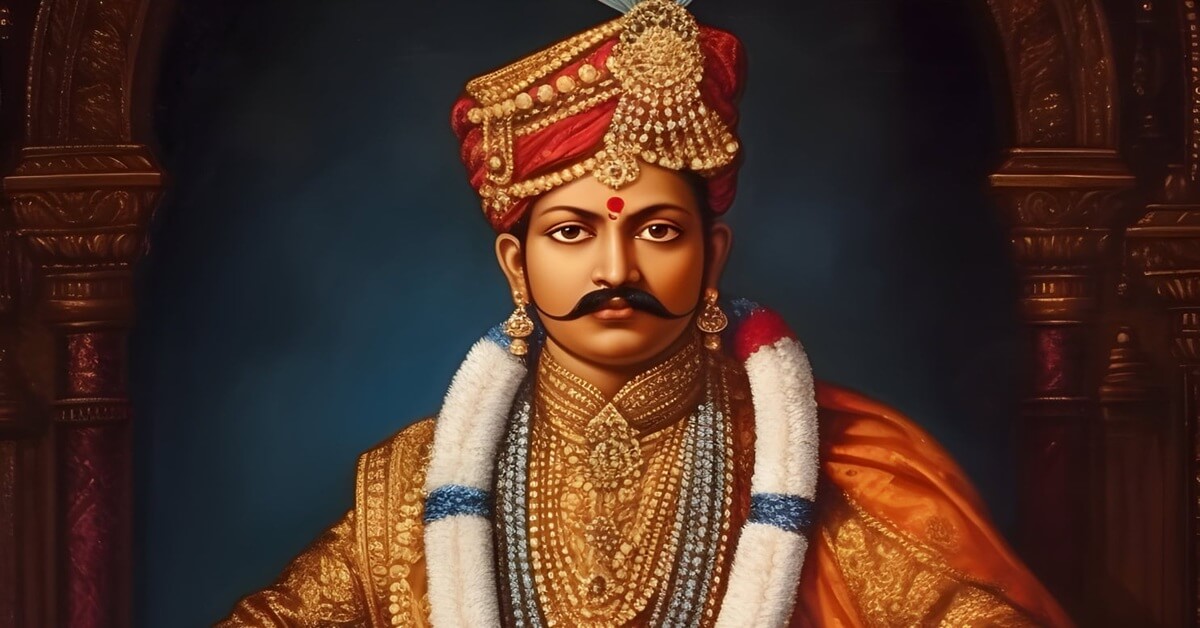
The reign of Sri Krishnadevaraya (r. 1509–1529 CE), marked by unparalleled achievements, stands as a crowning era in the history of the Vijayanagar Empire. Known as Kannada Rajya Rama Ramana (Beloved of the Kannada Kingdom), Moorurayaraganda (King of Three Kings), and Andhra Bhoja (Telugu Literary Patron), his legacy remains a beacon of prosperity, military prowess and cultural renaissance.

A Visionary Leader and Empire Builder

Sri Krishnadevaraya expanded the Vijayanagar Empire to unprecedented heights through astute diplomacy and decisive military campaigns. Leveraging a formidable army, he subdued powerful adversaries, including the Gajapatis of Orissa, the Deccan Sultanates, and local feudatories like the Reddys and Velamas.

His diplomatic acumen shone in his dealings with the Portuguese, securing advanced weaponry and Arabian horses while ensuring cordial relations. These strategic alliances bolstered the empire’s military and infrastructural prowess, including the enhancement of water supply systems in the capital, Vijayanagara.
The Golden City of Vijayanagara

A devout follower of Hinduism, Krishnadevaraya transformed Vijayanagara into a sacred and administrative marvel. Lavish wealth from tributes and conquests funded grand architectural projects, including temples and monuments that still inspire awe. His contributions to the Tirumala Venkateswara Temple, where he and his queens offered prayers after victorious campaigns, stand testament to his spiritual devotion.

The Golden Age of Literature

Krishnadevaraya’s reign heralded a cultural renaissance, particularly in Telugu literature. The emperor himself was a scholar, authoring the celebrated Amuktamalyada, a Telugu masterpiece depicting the divine love and longing of Andal for Lord Vishnu.

The court of Krishnadevaraya hosted the Ashtadiggajas—eight literary luminaries likened to the mythical elephants supporting the world. These poets, including Allasani Peddana, Tenali Ramakrishna, and Pingali Surana, produced timeless works that enriched Telugu, Kannada, and Sanskrit literature.

A Benevolent Administrator

Krishnadevaraya exemplified the ideal of a just and compassionate ruler. His administrative policies, outlined in Amuktamalyada, emphasized governance with a focus on dharma (righteousness). Touring his empire annually, he directly addressed public grievances, ensuring law and order. Foreign travelers like Domingo Paes and Barbosa praised him as a ruler of unparalleled justice and vision.

Military Genius and Heroic Conquests

Krishnadevaraya’s military campaigns were legendary. His decisive victory at the fortress of Raichur against Ismail Adil Shah of Bijapur in 1520 CE remains a historical milestone. Leading from the front, he inspired his soldiers with unwavering courage, transforming battles into resounding victories.

Under his command, the empire extended across South India, encompassing modern-day Andhra Pradesh, Karnataka, Tamil Nadu, and beyond.

Legacy of Inclusivity and Devotion

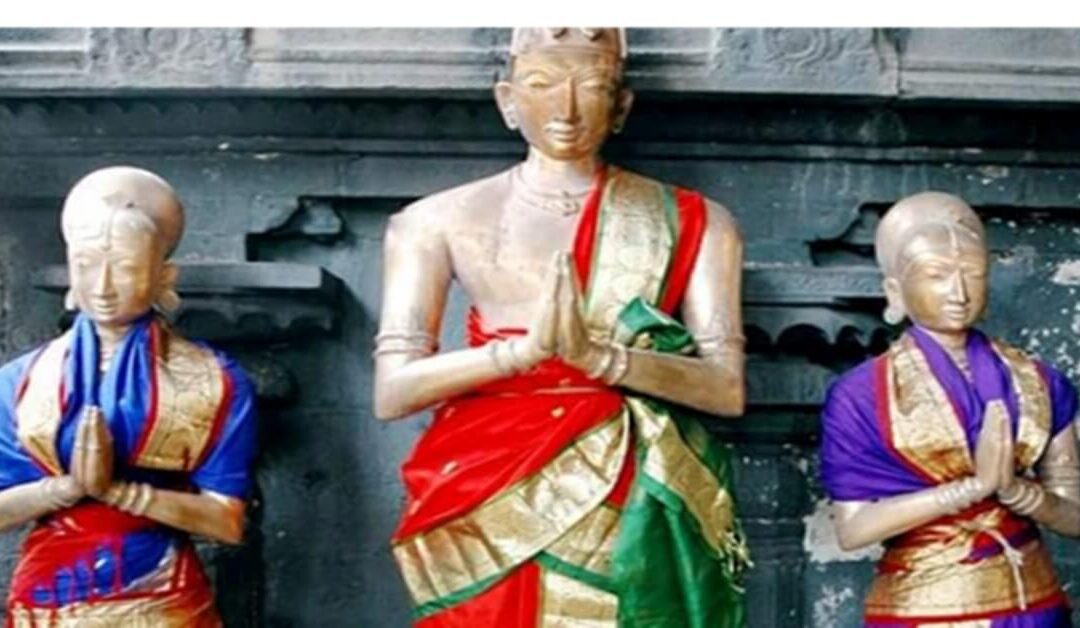
Despite being a staunch Vaishnavite, Krishnadevaraya respected all religious sects, fostering an environment of cultural and spiritual inclusivity. He commissioned statues of himself and his queens at the Tirupati Temple and donated generously to religious institutions, leaving an indelible mark on India’s spiritual heritage.

Enduring Inspiration

Sri Krishnadevaraya’s reign, often hailed as the Golden Era of South India, remains a source of pride and inspiration. His vision, valor, and cultural patronage not only fortified the Vijayanagar Empire but also shaped the artistic and literary heritage of India for generations to come.

The legacy of this “perfect king,” as described by foreign chroniclers, continues to resonate as a symbol of justice, prosperity, and cultural brilliance.


Art and Architecture of the Delhi Sultanate Era

Art and Architecture of the Delhi Sultanate Era

The Delhi Sultanate period (13th–16th century) stands as one of the most fascinating epochs in the history of Indian architecture. This era marked a transformation in India’s architectural landscape, blending Islamic styles with indigenous Indian elements. In this blog, we’ll delve into the architectural masterpieces of the Delhi Sultanate, explore its distinctive features, and understand its cultural significance.

Introduction to the Delhi Sultanate Era
A Glimpse into History

The Delhi Sultanate was a Muslim dynasty that ruled the Indian subcontinent for nearly three centuries, from 1206 to 1526. Established by Qutb ud-Din Aibak, this dynasty saw remarkable architectural achievements, peaking during the reign of Ala-ud-Din Khalji (1296–1316) and gradually declining after his death. The Sultanate was eventually succeeded by the Mughal Empire.

Cultural Fusion in Architecture

The architectural style of the Delhi Sultanate was influenced by Islamic traditions from Persia and Central Asia, merged with Indian elements. This fusion is evident in the use of materials like sandstone and marble, Hindu architectural features in Muslim buildings, and the incorporation of Indian motifs into Islamic designs.

Distinct Features of Delhi Sultanate Architecture
1.Use of Local Materials
Sandstone and marble were extensively used, adding a distinctive Indian touch.
2.Architectural Elements

  Arches and domes were key features.

Decorative elements like pillars, jalis (latticed screens), and chhatris (domed pavilions) enhanced aesthetic appeal.

3.Innovative Construction Techniques

Minarets were prominent for calling people to prayer.

Slab and beam construction methods were adopted for roofs.

4.Fusion of Styles

A blend of Persian, Central Asian, and Indian influences created a unique Indo-Islamic style.

The Delhi Sultanate period (13th–16th century) stands as one of the most fascinating epochs in the history of Indian architecture. This era marked a transformation in India’s architectural landscape, blending Islamic styles with indigenous Indian elements. In this blog, we’ll delve into the architectural masterpieces of the Delhi Sultanate, explore its distinctive features, and understand its cultural significance.

Notable Architectural Landmarks of the Delhi Sultanate
1. Quwwat-ul-Islam Mosque

Built in 1190 CE by Qutb ud-Din Aibak, this mosque stands as one of India’s earliest Islamic structures. Its intricate calligraphic inscriptions and use of red sandstone and marble are noteworthy.

2. Qutub Minar

Commissioned by Qutb ud-Din Aibak in 1190 CE, this 73-meter tall minaret is a world-famous symbol of Indo-Islamic architecture.

3. Hauz Khas Complex
Constructed by Ala-ud-Din Khalji in the early 14th century, this complex includes a madrasa, mosque, tomb, and reservoir. It exemplifies a blend of Persian and Central Asian styles.
4. Tomb of Iltutmish

Built in 1235 CE, this is the earliest surviving Muslim tomb in India. Commissioned by Razia Sultan, it combines Persian and Indian architectural styles.

5. Tughlaqabad Fort

A military marvel built by Ghiyath al-Din Tughluq in 1321 CE, this fort features robust walls, gates, and defensive towers.

6. Hazrat Nizamuddin Aulia Dargah

Dedicated to the Sufi saint Nizamuddin Auliya, this 14th-century tomb complex is renowned for its exquisite Indo-Islamic design.

7. Lodhi Garden

This 15th-century park built by Sikandar Lodi houses several Islamic monuments, including the tomb of Muhammad Shah.

The Art of Delhi Sultanate: Calligraphy and Painting

While architecture flourished, the art of painting during this period is less documented. However, calligraphy and book illumination reached remarkable heights, with Arabic inscriptions adorning monuments, conveying religious and artistic messages.

Conclusion

The Delhi Sultanate period was a time of unparalleled architectural innovation and artistic expression. The synthesis of Islamic and Indian elements created a legacy that continues to inspire and define India’s historical landscape. From towering minarets to intricately carved mosques and forts, these monuments stand as a testament to the rich cultural amalgamation of the era.

Art and architecture provide a window into the cultural and social fabric of any era, and the Delhi Sultanate’s contributions remain a cornerstone of India’s heritage.

ಕೂಲಿಯ ದರಗಳಲ್ಲಿ ವ್ಯತ್ಯಾಸಗಳಿರಲು ಕಾರಣಗಳು

ಕೂಲಿಯ ದರಗಳಲ್ಲಿ ವ್ಯತ್ಯಾಸಗಳಿರಲು ಕಾರಣಗಳು

ವೇತನದ ದರಗಳು ವಿವಿಧ ಪ್ರದೇಶಗಳು, ಉದ್ಯೋಗಗಳು, ಮತ್ತು ಕಾಲಾವಧಿಗಳಲ್ಲಿ ಸಮಾನವಾಗುವುದಿಲ್ಲ. ಒಂದೇ ಪ್ರದೇಶದಲ್ಲೂ, ವಿವಿಧ ವೃತ್ತಿಗಳನ್ನು ಅವಲಂಬಿಸಿ ವೇತನದ ವ್ಯತ್ಯಾಸಗಳಿರುತ್ತದೆ. ಈ ವ್ಯತ್ಯಾಸಗಳಿಗೆ ಹಲವು ಕಾರಣಗಳಿವೆ, ಅವು ಕಾರ್ಯದ ಸ್ವರೂಪ, ಪ್ರದೇಶದ ವಿಶೇಷತೆಗಳು, ಮತ್ತು ಆರ್ಥಿಕ ಪರಿಸ್ಥಿತಿಗಳ ಪ್ರಕಾರ ಬದಲಾಗುತ್ತವೆ. ಈ ಪ್ರಮುಖ ಕಾರಣಗಳನ್ನು ಇಲ್ಲಿ ವಿವರಿಸಲಾಗಿದೆ.

ಬೇರೆ ಬೇರೆ ಉದ್ಯೋಗಗಳಲ್ಲಿ ಕೂಲಿಯ ತರವು ವ್ಯತ್ಯಾಸ
1. ಕೆಲಸದ ಸ್ವರೂಪ (Nature of Work) :

ಅಪಾಯದ ತೀವ್ರತೆ ಮತ್ತು ಕಷ್ಟತೆಯು ವೇತನದ ಪ್ರಮಾಣವನ್ನು ಗಮನಾರ್ಹವಾಗಿ ಪ್ರಭಾವಿಸುತ್ತದೆ.

ಹೆಚ್ಚಿನ ವೇತನದ ಉದ್ಯೋಗಗಳು:

ದುಸ್ತರ, ಶ್ರಮಸಾಧ್ಯ ಅಥವಾ ಗಟ್ಟಿಯಾದ ಕೆಲಸಗಳು ಹೆಚ್ಚು ವೇತನ ನೀಡುತ್ತವೆ. (ಉದಾ: ಗಣಿ ಕಾರ್ಮಿಕರು)

ಕಡಿಮೆ ವೇತನದ ಉದ್ಯೋಗಗಳು:

ಶ್ರಮ ಕಡಿಮೆ ಇರುವ ಅಥವಾ ಸುಖಕರ ಕೆಲಸಗಳಿಗೆ ಕಡಿಮೆ ವೇತನ ನೀಡಲಾಗುತ್ತದೆ. (ಉದಾ: ಕೃಷಿ ಕಾರ್ಮಿಕರು)

2. ಅಪಾಯದ ಸಂಭವ (Possibility of Danger) :

ಕೆಲಸದ ಅಪಾಯದ ಮಟ್ಟವು ವೇತನವನ್ನು ಹೆಚ್ಚು ಮಾಡುತ್ತದೆ.

ಹೆಚ್ಚಿನ ಅಪಾಯದ ಕೆಲಸಗಳು:

ಅಪಘಾತದ ಪ್ರಮಾಣ ಹೆಚ್ಚಾಗಿರುವ ಅಥವಾ ಪ್ರಾಣಾಪಾಯದ ಕೆಲಸಗಳಿಗೆ (ಉದಾ: ವಿಮಾನ ಪೈಲಟ್‌ಗಳು) ಹೆಚ್ಚಿನ ವೇತನ ನೀಡಲಾಗುತ್ತದೆ.

ಕಡಿಮೆ ಅಪಾಯದ ಕೆಲಸಗಳು:

ಕ್ಲರ್ಕ್‌ಗಳು ಮತ್ತು ಕಚೇರಿ ಉದ್ಯೋಗಗಳಲ್ಲಿ ಅಪಾಯ ಕಡಿಮೆ ಇರುವುದರಿಂದ ವೇತನ ಕಡಿಮೆಯಾಗಿರುತ್ತದೆ.

3. ತರಬೇತಿಯ ವೆಚ್ಚ (Cost of Training):

ವಿದ್ಯಾಭ್ಯಾಸ ಮತ್ತು ಉನ್ನತ ತರಬೇತಿ ಅಗತ್ಯವಿರುವ ವೃತ್ತಿಗಳು ಸಾಮಾನ್ಯವಾಗಿ ಹೆಚ್ಚಿನ ವೇತನ ನೀಡುತ್ತವೆ.

ಉದಾಹರಣೆಗೆ, ಉನ್ನತ ವೈದ್ಯಕೀಯ ತರಬೇತಿ ಹೊಂದಿರುವ ಶಸ್ತ್ರಚಿಕಿತ್ಸಕ ಸಾಮಾನ್ಯ ಕಾರ್ಮಿಕನಿಗಿಂತ ಹೆಚ್ಚು ಸಂಪಾದಿಸುತ್ತಾರೆ. ನಿರುದ್ಯೋಗಿಗಳು ಹೆಚ್ಚಿನ ತರಬೇತಿ ಅಥವಾ ಶಿಕ್ಷಣವನ್ನು ಅಗತ್ಯವಿರುವ ಕೌಶಲ್ಯಗಳಿಗೆ ಮೌಲ್ಯ ನೀಡುತ್ತಾರೆ ಮತ್ತು ಹೆಚ್ಚಿನ ಹಣವನ್ನು ನೀಡಲು ಸಿದ್ಧರಾಗಿರುತ್ತಾರೆ.

ಕೌಶಲ್ಯಗಳ ಬೇಡಿಕೆ: Artificial intelligence ಅಥವಾ cybersecurity ಅವಶ್ಯಕತೆಯಿರುವ ಕ್ಷೇತ್ರಗಳಲ್ಲಿ, ಕೌಶಲ್ಯಗಳಿಗೆ ಹೆಚ್ಚಿನ ಬೇಡಿಕೆ ಇದೆ. ಆದರೆ ಈ ಕ್ಷೇತ್ರಗಳಲ್ಲಿ ಅರ್ಹ ವೃತ್ತಿಪರರ ಕೊರತೆ ಇದ್ದು, ವೇತನಗಳು ವಿಶೇಷವಾಗಿ ಜಾಸ್ತಿಯಾಗಿದೆ. ವಿಸ್ತೃತ ಉದ್ಯೋಗ ಮಾರುಕಟ್ಟೆಗಳಲ್ಲಿ, ವೇತನಗಳು ಕಡಿಮೆಯಾಗಿರುತ್ತವೆ.

4. ಕೆಲಸದ ನಿಯಮಿತತನ (Casualness of Work):

ಉದ್ಯಮದ ಲಾಭ: ವೇತನವು ಉದ್ಯಮದ ಲಾಭದಾಯಕತೆಯನ್ನು ಪ್ರತಿಬಿಂಬಿಸುತ್ತದೆ. ತಂತ್ರಜ್ಞಾನ ಸಂಸ್ಥೆಗಳು ಹೆಚ್ಚಿನ ಆದಾಯವನ್ನು ಪಡೆಯುತ್ತಿರುವುದರಿಂದ, ಅವರು ತಮ್ಮ ಉದ್ಯೋಗಿಗಳಿಗೆ ಹೆಚ್ಚಿನ ವೇತನವನ್ನು ನೀಡುತ್ತವೆ. ಉದಾಹರಣೆಗೆ ಸಾಫ್ಟ್‌ ವೇರ್‌ ತಂತ್ರಜ್ಞಾನ ಕ್ಷೇತ್ರಗಳು, ಕೃಷಿ ಉದ್ಯಮಗಳಿಗಿಂತ ಹೆಚ್ಚಿನ  ವೇತನ ನೀಡುತ್ತವೆ.

ಸರಕಾರಿ ಮತ್ತು ಖಾಸಗಿ ವಲಯ: ಖಾಸಗಿ ವಲಯದಲ್ಲಿ ಸಾಮಾನ್ಯವಾಗಿ ವೇತನ ಹೆಚ್ಚು ಇದ್ದರೂ, ಸರ್ಕಾರಿ ಉದ್ಯೋಗಗಳು ಕೆಲಸದ ಭದ್ರತೆ, ಸೌಲಭ್ಯಗಳು, ಮತ್ತು ನಿವೃತ್ತಿ ಯೋಜನೆಗಳನ್ನು ಒದಗಿಸುತ್ತವೆ.

5. ದಕ್ಷತೆಯಲ್ಲಿ ಅಂತರ (Difference in Capacity):

ಉದ್ಯೋಗದ ಶ್ರೇಣಿಯ ಸ್ಥಿರತೆಯು ವೇತನವನ್ನು ಪ್ರಭಾವಿಸುತ್ತದೆ.

ಅಸ್ಥಿರ ಉದ್ಯೋಗಗಳು:

ಅಸ್ಥಿರ ಮತ್ತು ನಿರ್ದಿಷ್ಟ ಸಮಯವಿಲ್ಲದ ಉದ್ಯೋಗಗಳು ಹೆಚ್ಚಿನ ವೇತನವನ್ನು ನೀಡುತ್ತವೆ.

ಸ್ಥಿರ ಉದ್ಯೋಗಗಳು:

ಶಾಶ್ವತವಾದ ಮತ್ತು ನಿಯಮಿತ ಉದ್ಯೋಗಗಳು ಕಡಿಮೆ ವೇತನ ನೀಡುತ್ತವೆ.

6. ಅನುಭವ

ಅನುಭವವು ಸಾಮಾನ್ಯವಾಗಿ ಉತ್ಪಾದಕತೆ ಮತ್ತು ದಕ್ಷತೆಯೊಂದಿಗೆ ಸಂಬಂಧಿಸುತ್ತದೆ. ವೃತ್ತಿಯಲ್ಲಿನ ಅನೇಕ ವರ್ಷಗಳ ಅನುಭವ ಹೊಂದಿರುವ ಕಾರ್ಮಿಕರು ಹೆಚ್ಚು ಸಂಬಳವನ್ನು ಸಂಪಾದಿಸುತ್ತಾರೆ.ಆದರೆ ಕಡಿಮೆ ಅನುಭವ ಹೊಂದಿರುವವರು ಕಡಿಮೆ ಸಂಬಳ ಪಡೆಯುವುದು ಸಾಮಾನ್ಯವಾಗಿದೆ.

7. ಸ್ಥಳ

ವೇತನವು ಒಂದು ಪ್ರದೇಶದ ಮೇಲೂ ಅವಲಂಬಿತವಾಗಿದೆ. ಉದಾಹರಣೆಗೆ, ಬೆಂಗಳೂರು ಅಥವಾ ಮುಂಬೈಯಂತಹ ನಗರ ಪ್ರದೇಶಗಳಲ್ಲಿ, ಗ್ರಾಮೀಣ ಪ್ರದೇಶಗಳಿಗೆ ಹೋಲಿಸಿದರೆ, ವೇತನ ಹೆಚ್ಚು.

ಸ್ಥಳೀಯ ಆರ್ಥಿಕ ಪರಿಸ್ಥಿತಿಗಳು: ಚುರುಕು ಆರ್ಥಿಕತೆ ಮತ್ತು ಉದ್ಯಮ ವೃದ್ಧಿ ಹೊಂದಿರುವ ಪ್ರದೇಶಗಳಲ್ಲಿ (ಉದಾ., ಬೆಂಗಳೂರು) ವೇತನ ಸಾಮಾನ್ಯವಾಗಿ ಹೆಚ್ಚಾಗಿರುತ್ತದೆ.

8. ಪೂರೈಕೆ ಮತ್ತು ಬೇಡಿಕೆ

ಕಾರ್ಮಿಕ ಮಾರುಕಟ್ಟೆ ಗತಿವಿಧಾನಗಳು: ನಿರ್ದಿಷ್ಟ ಕೌಶಲ್ಯ ಹೊಂದಿರುವ ಕಾರ್ಮಿಕರ ಪೂರೈಕೆ ಹೆಚ್ಚಾದರೆ, ಆ ಕೌಶಲ್ಯಕ್ಕೆ ವೇತನ ಕಡಿಮೆಯಾಗುತ್ತದೆ. ಅದೇ ರೀತಿ, ಬೇಡಿಕೆಯು ಪೂರೈಕೆಯನ್ನು ಮೀರಿದರೆ, ವೇತನಗಳು ಹೆಚ್ಚಾಗುತ್ತದೆ.

9. ಲಿಂಗ ಮತ್ತು ವೈಷಮ್ಯ

ಲಿಂಗ ವೇತನ ಅಂತರ: ಸಾಕಷ್ಟು ಪ್ರಗತಿಯಾದರೂ, ಅನೇಕ ಕ್ಷೇತ್ರಗಳಲ್ಲಿ ಪುರುಷರು ಮತ್ತು ಮಹಿಳೆಯರ ವೇತನ ವ್ಯತ್ಯಾಸ ಉಂಟಿದೆ. ಲಿಂಗ ಸಮಾನತೆಯ ಕೊರತೆಯಿಂದ ಮತ್ತು ಸಾಮಾಜಿಕ ರೂಢಿಗಳಿಂದ ಇದು ಉಂಟಾಗುತ್ತದೆ.

ಜಾತಿ ಮತ್ತು ಸಾಂಸ್ಕೃತಿಕ ದ್ವೇಷ: ಕೆಲಸದ ಗತಿವಿಧಾನದಲ್ಲಿ ಜಾತಿ ಅಥವಾ ಸಾಂಸ್ಕೃತಿಕ ವ್ಯಾಮೋಹವು ವೇತನ ಅಸಮಾನತೆಗೆ ಕಾರಣವಾಗುತ್ತದೆ.

10. ಸಂಘಟನೆ

ಸಾಮೂಹಿಕ ಚರ್ಚೆ: ಸಂಘಟಿತ ಕಾರ್ಮಿಕರು ಒಟ್ಟಾರೆ ಉತ್ತಮ ವೇತನ ಮತ್ತು ಸೌಲಭ್ಯಗಳನ್ನು ಹೊಂದಿರುತ್ತಾರೆ. ಅಸಂಘಟಿತ ಕಾರ್ಮಿಕರು ಕಡಿಮೆ ವೇತನ ಪಡೆಯುವ ಸಾಧ್ಯತೆ ಇದೆ.

11. ಸರ್ಕಾರದ ನೀತಿಗಳು

ಕನಿಷ್ಠ ವೇತನ ಕಾನೂನುಗಳು: ಸರ್ಕಾರಗಳು ಕನಿಷ್ಠ ವೇತನ ನಿಯಮಗಳನ್ನು ರೂಪಿಸುತ್ತವೆ. ಆದರೆ ಈ ಕಾನೂನುಗಳು ಸ್ಥಳ ಮತ್ತು ದೇಶದ ಪ್ರಕಾರ ವ್ಯತ್ಯಾಸ ಹೊಂದಿರುತ್ತವೆ.

12. ಜಾಗತೀಕರಣ

ಔಟ್‌ಸೋರ್ಸಿಂಗ್: ಜಾಗತೀಕರಣದ ಪರಿಣಾಮವಾಗಿ ಕಡಿಮೆ ವೆಚ್ಚದ ಕಾರ್ಮಿಕ ಪ್ರದೇಶಗಳಿಗೆ ಕೆಲಸಗಳನ್ನು ಔಟ್‌ಸೋರ್ಸ್ ಮಾಡಲಾಗಿದೆ, ಇದರಿಂದ ವೇತನದ ವ್ಯತ್ಯಾಸ ಉಂಟಾಗಿದೆ.

ಸ್ಪರ್ಧೆ: ಅಭಿವೃದ್ಧಿಶೀಲ ರಾಷ್ಟ್ರಗಳಲ್ಲಿ ವೇತನವನ್ನು ಜಾಗತೀಕರಣವು ಹೆಚ್ಚಿಸಿದೆ.

13. ದಕ್ಷತೆಯಲ್ಲಿ ಅಂತರ (Difference in Capacity):

ವ್ಯಕ್ತಿಗತ ಸಾಮರ್ಥ್ಯವು ಕೂಡ ಪ್ರಮುಖ ಪಾತ್ರ ವಹಿಸುತ್ತದೆ.

ವಿಶೇಷ ಕೌಶಲ್ಯಗಳು ಅಥವಾ ಹೆಚ್ಚಿನ ದಕ್ಷತೆ ಹೊಂದಿರುವ ನಿಪುಣ ಕಾರ್ಮಿಕರು  ಹೆಚ್ಚು ವೇತನ ಪಡೆಯುತ್ತಾರೆ.

ದಕ್ಷತೆಯ ಕೊರತೆ ಇರುವ ಅನಿಪುಣ ಕಾರ್ಮಿಕರು ಕಡಿಮೆ ವೇತನ ಪಡೆಯುತ್ತಾರೆ. 

14.ಆರ್ಥಿಕ ಬೆಳವಣಿಗೆ:

ದೇಶ ಆರ್ಥಿಕವಾಗಿ ಅಭಿವೃದ್ಧಿಯಾಗುತ್ತಿದ್ದಂತೆ,ಸಹಜವಾಗಿ ಆರ್ಥಿಕ  ಚಟುವಟಿಕೆಗಳದೆಸೆಯಿಂದಾಗಿ ವೇತನ ಹೆಚ್ಚುತ್ತವೆ.

15.ಜೀವನೋಪಾಯದ ವೆಚ್ಚ:

ಬದುಕು ನಡೆಸುವ ವೆಚ್ಚಗಳು ಹೆಚ್ಚಾದಂತೆ, ವೇತನಗಳನ್ನು ಪುನರ್‌ ವಿಮರ್ಶೆ ಮಾಡುವುದು ಅನಿವಾರ್ಯವಾಗುತ್ತದೆ ಹಾಗೂ ಪರಿಣಾಮವಾಗಿ ವೇತನವೂ ಹೆಚ್ಚಾಗುತ್ತದೆ.

ಆದ್ದರಿಂದಲೇ ಕೆಲವು ವರ್ಷಗಳ ಹಿಂದಿನ ವೇತನದ ಪ್ರಮಾಣ ಇಂದಿಲ್ಲ ಮತ್ತು ಇಂದಿನ ವೇತನದ ಪ್ರಮಾಣ ಮುಂದಿನ ಕೆಲವು ವರ್ಷಗಳಲ್ಲಿ ಇರುವುದು ಅಸಾಧ್ಯ.

ಉಪಸಂಹಾರ

ವೇತನದ ವ್ಯತ್ಯಾಸಗಳು ವಿವಿಧ ವೃತ್ತಿಗಳು, ಪ್ರದೇಶಗಳು, ಮತ್ತು ಕಾಲಾವಧಿಗಳ ಬೇಡಿಕೆ-ಪೂರೈಕೆ ಬೇಧಗಳಿಂದ ಉಂಟಾಗುತ್ತವೆ. ಕಾರ್ಯದ ಸ್ವರೂಪ, ಅಪಾಯದ ಮಟ್ಟ, ತರಬೇತಿ ಅಗತ್ಯತೆ, ಪ್ರಾಂತೀಯ ವೈವಿಧ್ಯತೆ ಮತ್ತು ಆರ್ಥಿಕ ಬೆಳವಣಿಗೆ ಇತ್ಯಾದಿ ಎಲ್ಲವೂ ವೇತನದ ವ್ಯತ್ಯಾಸದಲ್ಲಿ ಪ್ರಮುಖ ಪಾತ್ರವಹಿಸುತ್ತವೆ. ಸಮಾನತೆ ಮತ್ತು ನ್ಯಾಯಸಂಗತ ವೇತನ ವಿತರಣೆಗೆ ಈ ಎಲ್ಲ ಕಾರಣಗಳ ವಿವರಣೆ ಮುಖ್ಯವಾಗಿದೆ.

ಕೂಲಿಯ ದರಗಳಲ್ಲಿ ವ್ಯತ್ಯಾಸಗಳಿರಲು ಕಾರಣಗಳು

ಬೆಲೆ ನಿರ್ಣಯದಲ್ಲಿ ಕಾಲದ ಪಾತ್ರ

ಪ್ರಸಿದ್ಧ ಅರ್ಥಶಾಸ್ತ್ರಜ್ಞ ಅಲ್ಫ್ರೆಡ್ ಮಾರ್ಷಲ್ ಬೆಲೆ ನಿರ್ಣಯದಲ್ಲಿ ಕಾಲದ ಮಹತ್ವವನ್ನು ಒತ್ತಿಹೇಳಿದ್ದಾರೆ. ಅವರು ಬೇಡಿಕೆ ಮತ್ತು ಪೂರೈಕೆ ಶಕ್ತಿಗಳು ಸಮತೋಲನ ಬೆಲೆ ಸ್ಥಾಪಿಸಲು ಪರಸ್ಪರ ಕ್ರಿಯೆ ಮಾಡುವ “ಕಾಲಾವಧಿಗಳನ್ನು” ಪರಿಚಯಿಸಿದರು. ಯಾವ ಸಮಯವನ್ನು ಪರಿಗಣಿಸಬೇಕು ಎಂಬುದರ ಮೇಲೆ ಬೇಡಿಕೆ ಅಥವಾ ಪೂರೈಕೆ ಬೆಲೆ ನಿರ್ಣಯದಲ್ಲಿ ಹೆಚ್ಚು ಪ್ರಭಾವ ಬೀರುತ್ತವೆ.

ಮಾರ್ಷಲ್ ಕಾಲವನ್ನು ನಾಲ್ಕು ವಿಭಿನ್ನ ಪ್ರಕಾರಗಳಲ್ಲಿ ವಿಂಗಡಿಸಿದರು:

  1. ಮಾರುಕಟ್ಟೆ ಅವಧಿ
  2. ಕಿರು ಅವಧಿ (ಅಲ್ಪಾವಧಿ)
  3. ದೀರ್ಘಾವಧಿ
  4. ಅತಿದೀರ್ಘಾವಧಿ (ಶಾಶ್ವತ ಅವಧಿ)

ನಾವು ಈ ಕಾಲಾವಧಿಗಳನ್ನು ವಿವರವಾಗಿ ಪರಿಚಯಿಸೋಣ.

ಮಾರ್ಷಲ್ ಕಾಲವನ್ನು ನಾಲ್ಕು ವಿಭಿನ್ನ ಪ್ರಕಾರಗಳಲ್ಲಿ ವಿಂಗಡಿಸಿದರು:

1. ಮಾರುಕಟ್ಟೆ ಅವಧಿ: ಬೇಡಿಕೆಯ ಪ್ರಭಾವ

ಮಾರುಕಟ್ಟೆ ಅವಧಿ ಎಂದರೆ ಬಹಳ ಚಿಕ್ಕ ಸಮಯ, ಸಾಮಾನ್ಯವಾಗಿ ಕೆಲವೇ ಗಂಟೆಗಳು ಅಥವಾ ಒಂದು ದಿನ.

ಈ ಅವಧಿಯ ಮುಖ್ಯ ಲಕ್ಷಣಗಳು:

ಪೂರೈಕೆ ಸ್ಥಿರವಾಗಿರುತ್ತದೆ, ಏಕೆಂದರೆ ಸಮಯ ಅತಿ ಕಡಿಮೆ.

ಬೇಡಿಕೆ ಹೆಚ್ಚಾದರೂ, ಪೂರೈಕೆಯನ್ನು ತಕ್ಷಣ ಹೆಚ್ಚಿಸಲು ಸಾಧ್ಯವಿಲ್ಲ.

ಬೆಲೆ ನಿರ್ಣಯ:

ಈ ಅವಧಿಯಲ್ಲಿ ಬೇಡಿಕೆ ಬೆಲೆ ಮೇಲೆ ಮುಖ್ಯ ಪ್ರಭಾವ ಬೀರುತ್ತದೆ. ಈ ಸಮಯದಲ್ಲಿ ನಿರ್ಧಾರವಾಗುವ ಬೆಲೆಯನ್ನು ಮಾರುಕಟ್ಟೆ ಬೆಲೆ ಎಂದು ಕರೆಯಲಾಗುತ್ತದೆ.

2. ಕಿರು ಅವಧಿ: ಪೂರೈಕೆ ಗಡುವಿನ ಅಲ್ಪ ಬದಲಾವಣೆ

ಕಿರು ಅವಧಿ ಎಂದರೆ ಕೆಲವು ದಿನಗಳಿಂದ ಒಂದು ವಾರದವರೆಗೆ ಇರುವ ಸಮಯ.

ಮುಖ್ಯ ಲಕ್ಷಣಗಳು:

ಹೊಸ ಕೈಗಾರಿಕೆಗಳನ್ನು ನಿರ್ಮಿಸಲು ಅಥವಾ ಹೊಸ ಯಂತ್ರಗಳನ್ನು ಸ್ಥಾಪಿಸಲು ಸಮಯವಿರುವುದಿಲ್ಲ. ಕೇವಲ ಅಸ್ತಿತ್ವದಲ್ಲಿರುವ ಸಂಪತ್ತನ್ನು ತೀವ್ರವಾಗಿ ಬಳಸುವ ಮೂಲಕ ಪೂರೈಕೆಯನ್ನು ಸ್ವಲ್ಪ ಮಾತ್ರ ಹೆಚ್ಚಿಸಲು ಸಾಧ್ಯ.

ಬೆಲೆ ನಿರ್ಣಯ:

ಈ ಅವಧಿಯಲ್ಲಿ ಬೆಲೆ ನಿರ್ಣಯದಲ್ಲಿ ಬೇಡಿಕೆ ಮುಖ್ಯ ಪಾತ್ರ ವಹಿಸುತ್ತದೆ. ಇದನ್ನು ಕಿರು ಅವಧಿಯ ಬೆಲೆ ಎಂದು ಕರೆಯಲಾಗುತ್ತದೆ.

3. ದೀರ್ಘಾವಧಿ: ಬೇಡಿಕೆ ಮತ್ತು ಪೂರೈಕೆಯ ಸಮತೋಲನ

ದೀರ್ಘಾವಧಿ ಒಂದು ಅಥವಾ ಎರಡು ವರ್ಷಗಳ ಕಾಲ ಮುಂದುವರಿಯುತ್ತದೆ, ಇದು ಕೈಗಾರಿಕೆಗಳು ಹೊಂದಿಕೊಳ್ಳಲು ಸಾಕಷ್ಟು ಸಮಯವನ್ನು ನೀಡುತ್ತದೆ.

ಮುಖ್ಯ ಲಕ್ಷಣಗಳು:

ಹೊಸ ಕೈಗಾರಿಕೆಗಳನ್ನು ಸ್ಥಾಪಿಸಲು ಮತ್ತು ಹೊಸ ಯಂತ್ರಗಳನ್ನು ಸ್ಥಾಪಿಸಲು ಸಮಯವಿರುತ್ತದೆ.

ಪೂರೈಕೆಯನ್ನು ಬೇಡಿಕೆಗೆ ಹೊಂದುವಂತೆ ಸಾಕಷ್ಟು ಪ್ರಮಾಣದಲ್ಲಿ ಪರಿವರ್ತಿಸಬಹುದು.

ಬೆಲೆ ನಿರ್ಣಯ:

ಬೇಡಿಕೆ ಮತ್ತು ಪೂರೈಕೆ ಎರಡೂ ಸಮಪ್ರಭಾವ ಬೀರುತ್ತವೆ. ಈ ಅವಧಿಯಲ್ಲಿ ನಿರ್ಣಯವಾಗುವ ಬೆಲೆಯನ್ನು ದೀರ್ಘಾವಧಿಯ ಬೆಲೆ ಎಂದು ಕರೆಯಲಾಗುತ್ತದೆ.

4. ಅತಿದೀರ್ಘಾವಧಿ (ಶಾಶ್ವತ ಅವಧಿ): ಪೂರೈಕೆಯ ಪ್ರಭಾವ

ಶಾಶ್ವತ ಅವಧಿ ಹಲವಾರು ವರ್ಷಗಳ ಅಥವಾ ದಶಕಗಳ ಕಾಲ ಇರುತ್ತದೆ.

ಮುಖ್ಯ ಲಕ್ಷಣಗಳು:

ಪೂರೈಕೆಯಲ್ಲಿ ಮಹತ್ತರ ಬದಲಾವಣೆಗಳು ಸಂಭವಿಸುತ್ತವೆ, ಉದಾಹರಣೆಗೆ ತಂತ್ರಜ್ಞಾನದ ಪ್ರಗತಿ, ಹೊಸ ಕೈಗಾರಿಕೆಗಳ ಸ್ಥಾಪನೆ, ಮತ್ತು ಆಧುನಿಕ ಯಂತ್ರಗಳ ಬಳಕೆ.

ಜನಸಂಖ್ಯೆ, ಆದಾಯ ಮಟ್ಟಗಳು, ಮತ್ತು ಗ್ರಾಹಕರ ಚಟುವಟಿಕೆಗಳ ಬದಲಾವಣೆಯಿಂದ ಬೇಡಿಕೆಯೂ ಪ್ರಭಾವಿತವಾಗುತ್ತದೆ.

ಬೆಲೆ ನಿರ್ಣಯ:

ಹೋಲಿಕೆಗೆ ಪೂರೈಕೆ ಬೆಲೆ ನಿರ್ಣಯದಲ್ಲಿ ಹೆಚ್ಚು ಪ್ರಭಾವ ಬೀರುತ್ತದೆ. ಈ ಬೆಲೆಯನ್ನು ಶಾಶ್ವತ ಬೆಲೆ ಎಂದು ಕರೆಯಲಾಗುತ್ತದೆ.

ಉಪಸಂಹಾರ

ಮಾರ್ಷಲ್ ಅವರ ಕಾಲವಿಂಗಡನೆ ಬೇಡಿಕೆ, ಪೂರೈಕೆ, ಮತ್ತು ಬೆಲೆ ನಿರ್ಣಯದ ನಡುವಿನ ಸಾಂಶ್ಲೇಷಣಾತ್ಮಕ ಸಂಬಂಧವನ್ನು ತೋರಿಸುತ್ತದೆ. ಚಿಕ್ಕ ಅವಧಿಯಲ್ಲಿ, ಪೂರೈಕೆಯ ಅಚಲತೆಯಿಂದ ಬೇಡಿಕೆ ಮುಖ್ಯ ಪಾತ್ರ ವಹಿಸುತ್ತದೆ, ಆದರೆ ದೀರ್ಘಾವಧಿಯಲ್ಲಿ, ಪೂರೈಕೆಯ ಸೂಕ್ತತೆಯನ್ನು ಮರುಕಾಯ್ದು ಅವು ಹೆಚ್ಚು ಪ್ರಭಾವ ಬೀರುತ್ತದೆ. ಈ ರೂಪ ರಚನೆ, ಆರ್ಥಿಕ ಯೋಜನೆ ಮತ್ತು ನಿರ್ಣಯದಲ್ಲಿ ಕಾಲದ ಮಹತ್ವವನ್ನು ಬಿಂಬಿಸುತ್ತದೆ.

ಕೂಲಿಯ ದರಗಳಲ್ಲಿ ವ್ಯತ್ಯಾಸಗಳಿರಲು ಕಾರಣಗಳು

ಉತ್ಪಾದನಾಂಗಗಳು

ಉತ್ಪಾದನಾಂಗಗಳು

ಉತ್ಪಾದನಾ ಪ್ರಕ್ರಿಯೆಯು ಆರ್ಥಿಕ ಚಟುವಟಿಕೆಯ ಮೂಲಾಧಾರವಾಗಿದೆ, ಆರ್ಥಿಕ ಚಟುವಟಿಕೆಯ ಸ್ತಂಭಗಳ ಉತ್ಪಾದನಾಂಗಗಳೆಂದು ಎಂದು ಕರೆಯಲ್ಪಡುವ ಪ್ರಮುಖ ಅಂಶಗಳಿಂದ ನಡೆಸಲ್ಪಡುತ್ತದೆ ಈ ಅಂಶಗಳು ಸರಕು ಮತ್ತು ಸೇವೆಗಳ ರಚನೆಯಲ್ಲಿ ಅನಿವಾರ್ಯವಾಗಿವೆ. ಸಾಂಪ್ರದಾಯಿಕವಾಗಿ ಭೂಮಿ, ಕಾರ್ಮಿಕ, ಬಂಡವಾಳ ಮತ್ತು ಸಂಸ್ಥೆ ಎಂದು ವರ್ಗೀಕರಿಸಲಾಗಿದೆ, ಅವರು ಯಾವುದೇ ಉತ್ಪಾದನಾ ವ್ಯವಸ್ಥೆಯಲ್ಲಿ ಪ್ರಮುಖ ಪಾತ್ರವನ್ನು ವಹಿಸುತ್ತಾರೆ. ಈ ಮೂಲಭೂತ ಅಂಶಗಳನ್ನು ಆಳವಾಗಿ ಪರಿಶೀಲಿಸೋಣ.

1. ಭೂಮಿ: ನೈಸರ್ಗಿಕ ಅಡಿಪಾಯ

ದೈನಂದಿನ ಭಾಷೆಯಲ್ಲಿ, “ಭೂಮಿ” ಭೂಮಿಯ ಮಣ್ಣು ಅಥವಾ ಮೇಲ್ಮೈಯನ್ನು ಸೂಚಿಸುತ್ತದೆ. ಆದಾಗ್ಯೂ, ಅರ್ಥಶಾಸ್ತ್ರದಲ್ಲಿ, ಭೂಮಿ ಪ್ರಕೃತಿಯಿಂದ ಒದಗಿಸಲಾದ ಎಲ್ಲಾ ನೈಸರ್ಗಿಕ ಸಂಪನ್ಮೂಲಗಳನ್ನು ಒಳಗೊಂಡಿದೆ. ಇದು ಮಣ್ಣನ್ನು ಮಾತ್ರವಲ್ಲ, ಜಲ ಸಂಪನ್ಮೂಲಗಳು, ಅರಣ್ಯಗಳು, ಖನಿಜಗಳು, ತೈಲ, ಪರ್ವತಗಳು, ಗಾಳಿ, ಬೆಳಕು ಮತ್ತು ಹವಾಮಾನವನ್ನು ಒಳಗೊಂಡಿರುತ್ತದೆ. ಈ ಸಂಪನ್ಮೂಲಗಳು ಉತ್ಪಾದನಾ ಪ್ರಕ್ರಿಯೆಗಳನ್ನು ನಿರ್ಮಿಸುವ ಆಧಾರವನ್ನು ರೂಪಿಸುತ್ತವೆ.

2. ಕಾರ್ಮಿಕ: ಮಾನವ ಪ್ರಯತ್ನ

ಶ್ರಮವು ಮಾನವ ಶಕ್ತಿಯಾಗಿದೆ – ದೈಹಿಕ ಮತ್ತು ಮಾನಸಿಕ ಎರಡೂ – ಅದು ಉತ್ಪಾದನೆಯನ್ನು ನಡೆಸುತ್ತದೆ.

  • ಭೌತಿಕ ಶ್ರಮವು ಸ್ಪಷ್ಟವಾದ ಸರಕುಗಳ ಸೃಷ್ಟಿಗೆ ಕೊಡುಗೆ ನೀಡುತ್ತದೆ.
  • ಮಾನಸಿಕ ಶ್ರಮವು ಬೋಧನೆ, ವಿನ್ಯಾಸ ಅಥವಾ ಕಾರ್ಯತಂತ್ರದಂತಹ ಸೇವೆಗಳ ವಿತರಣೆಯನ್ನು ಸುಗಮಗೊಳಿಸುತ್ತದೆ.

ಕಾರ್ಮಿಕರಿಲ್ಲದೆ, ಕಚ್ಚಾ ವಸ್ತುಗಳನ್ನು ಬಳಸಬಹುದಾದ ಸರಕು ಮತ್ತು ಸೇವೆಗಳಾಗಿ ಪರಿವರ್ತಿಸುವುದು ಅಸಾಧ್ಯ.

3. ಬಂಡವಾಳ: ಮಾನವ ನಿರ್ಮಿತ ಸಂಪನ್ಮೂಲ

ಬಂಡವಾಳವು ಹಿಂದೆ ರಚಿಸಲಾದ ಉತ್ಪಾದನೆಯಲ್ಲಿ ಬಳಸಲಾದ ಯಾವುದೇ ಸಂಪನ್ಮೂಲವನ್ನು ಸೂಚಿಸುತ್ತದೆ. ಇದು ಹಣ, ಯಂತ್ರೋಪಕರಣಗಳು, ಉಪಕರಣಗಳು ಮತ್ತು ತಯಾರಿಸಿದ ಸರಕುಗಳನ್ನು ಒಳಗೊಂಡಿರುತ್ತದೆ. ಬಂಡವಾಳವು ವಿಶಿಷ್ಟವಾಗಿದೆ. ಏಕೆಂದರೆ ಇದು “ಹಿಂದಿನ ಶ್ರಮ” ವನ್ನು ಪ್ರತಿನಿಧಿಸುತ್ತದೆ, ಕಾರ್ಲ್ ಮಾರ್ಕ್ಸ್ ಬಂಡವಾಳಕ್ಕೆ ‘ಭೂತಶ್ರಮ’ (Past Labour) ಎಂಬ ಹೆಸರನ್ನು ಕೊಟ್ಟಿದ್ದಾನೆ.ಇದು ಕಾರ್ಲ್ ಮಾರ್ಕ್ಸ್ ಅವರಿಂದ ರಚಿಸಲ್ಪಟ್ಟ ಪದವಾಗಿದೆ, ಹಿಂದಿನ ಉತ್ಪಾದನಾ ಪ್ರಯತ್ನಗಳಲ್ಲಿ ಅದರ ಮೂಲವನ್ನು ಎತ್ತಿ ತೋರಿಸುತ್ತದೆ. ಬಂಡವಾಳವು ಹಿಂದಿನ ಮತ್ತು ಭವಿಷ್ಯದ ಉತ್ಪಾದನೆಯ ನಡುವಿನ ಸೇತುವೆಯಾಗಿ ಕಾರ್ಯನಿರ್ವಹಿಸುತ್ತದೆ, ಸರಕು ಮತ್ತು ಸೇವೆಗಳ ಸಮರ್ಥ ಸೃಷ್ಟಿಯನ್ನು ಸಕ್ರಿಯಗೊಳಿಸುತ್ತದೆ.

4. ಸಂಸ್ಥೆ: ಸಮನ್ವಯ ಪಡೆ

ಸಂಘಟನೆಯ ಪಾತ್ರವು ಇತರ ಮೂರು ಅಂಶಗಳಾದ ಭೂಮಿ, ಕಾರ್ಮಿಕ ಮತ್ತು ಬಂಡವಾಳವನ್ನು ಒಟ್ಟುಗೂಡಿಸಿ ಒಂದು ಸುಸಂಘಟಿತ ಮತ್ತು ಪರಿಣಾಮಕಾರಿ ಉತ್ಪಾದನಾ ಪ್ರಕ್ರಿಯೆಯನ್ನು ರಚಿಸುವುದು. ಸಂಘಟನೆಯಿಲ್ಲದೆ, ಈ ಅಂಶಗಳನ್ನು ಪರಿಣಾಮಕಾರಿಯಾಗಿ ಬಳಸಿಕೊಳ್ಳಲಾಗುವುದಿಲ್ಲ. ಸಂಪನ್ಮೂಲಗಳನ್ನು ಹಂಚಲಾಗುತ್ತದೆ, ಉತ್ಪಾದನಾ ವ್ಯವಸ್ಥೆಗಳನ್ನು ನಿರ್ವಹಿಸಲಾಗುತ್ತದೆ ಮತ್ತು ಸಂಪೂರ್ಣ ಪ್ರಕ್ರಿಯೆಯು ಮನಬಂದಂತೆ ಕಾರ್ಯನಿರ್ವಹಿಸುತ್ತದೆ ಎಂದು ಸಂಸ್ಥೆ ಖಚಿತಪಡಿಸುತ್ತದೆ.

5. ಆರ್ಥಿಕ ಚಿಂತನೆಯ ವಿಕಾಸ

ಐತಿಹಾಸಿಕವಾಗಿ, ಅರ್ಥಶಾಸ್ತ್ರಜ್ಞರು ಭೂಮಿ ಮತ್ತು ಶ್ರಮವು ಉತ್ಪಾದನೆಯ ಎರಡು ಅಂಶಗಳಾಗಿವೆ ಎಂದು ನಂಬಿದ್ದರು. ಅವರ ತರ್ಕ ಸರಳವಾಗಿತ್ತು:

  • ಬಂಡವಾಳವು ಭೂಮಿ ಮತ್ತು ಕಾರ್ಮಿಕರ ವಿಸ್ತರಣೆ ಎಂದು ಪರಿಗಣಿಸಲ್ಪಟ್ಟಿದೆ, ಏಕೆಂದರೆ ಅದು ಅವರಿಂದ ರಚಿಸಲ್ಪಟ್ಟಿದೆ.
  • ಸಂಘಟನೆಯನ್ನು ಕಾರ್ಮಿಕರ ಉಪವಿಭಾಗವಾಗಿ ನೋಡಲಾಗಿದೆ, ಏಕೆಂದರೆ ಅದನ್ನು ವ್ಯಕ್ತಿಗಳು ನಿರ್ವಹಿಸುತ್ತಾರೆ.

ಆದಾಗ್ಯೂ, ಉತ್ಪಾದನಾ ವ್ಯವಸ್ಥೆಗಳು ಹೆಚ್ಚು ಸಂಕೀರ್ಣ ಮತ್ತು ದೊಡ್ಡ ಪ್ರಮಾಣದಲ್ಲಿ ಬೆಳೆದಂತೆ, ಬಂಡವಾಳ ಮತ್ತು ಸಂಘಟನೆಯ ಪ್ರಾಮುಖ್ಯತೆಯು ಸ್ಪಷ್ಟವಾಯಿತು. ಅವು ಅಂತಿಮವಾಗಿ ಉತ್ಪಾದನೆಯ ವಿಭಿನ್ನ ಅಂಶಗಳಾಗಿ ಗುರುತಿಸಲ್ಪಟ್ಟವು, ವ್ಯವಸ್ಥಿತ ಮತ್ತು ಲಾಭದಾಯಕ ಕಾರ್ಯಾಚರಣೆಗಳಿಗೆ ಅವಶ್ಯಕವಾಗಿದೆ.

6. ಪ್ರಾಥಮಿಕ ವರ್ಸಸ್ ಸೆಕೆಂಡರಿ ಅಂಶಗಳು
  • ಭೂಮಿ ಮತ್ತು ಕಾರ್ಮಿಕರನ್ನು ಉತ್ಪಾದನೆಯ ಪ್ರಾಥಮಿಕ ಅಂಶಗಳೆಂದು ಪರಿಗಣಿಸಲಾಗುತ್ತದೆ ಏಕೆಂದರೆ ಅವು ಮೂಲಭೂತ ಮತ್ತು ನೈಸರ್ಗಿಕವಾಗಿ ಸಂಭವಿಸುತ್ತವೆ.
  • ಬಂಡವಾಳ ಮತ್ತು ಸಂಸ್ಥೆಯು ಪ್ರಾಥಮಿಕ ಸಂಪನ್ಮೂಲಗಳ ಬಳಕೆಯನ್ನು ವರ್ಧಿಸುತ್ತದೆ ಮತ್ತು ಅತ್ಯುತ್ತಮವಾಗಿಸುವುದರಿಂದ, ದೊಡ್ಡ ಪ್ರಮಾಣದ ಉತ್ಪಾದನೆಯನ್ನು ಕಾರ್ಯಸಾಧ್ಯವಾಗಿಸುವ ಮೂಲಕ ದ್ವಿತೀಯಕ ಅಂಶಗಳೆಂದು ಪರಿಗಣಿಸಲಾಗುತ್ತದೆ.
ಉಪಸಂಹಾರ

ಉತ್ಪಾದನೆಯ ಅಂಶಗಳು-ಭೂಮಿ, ಕಾರ್ಮಿಕ, ಬಂಡವಾಳ ಮತ್ತು ಸಂಘಟನೆ-ಆರ್ಥಿಕ ಚಟುವಟಿಕೆಯ ಬಿಲ್ಡಿಂಗ್ ಬ್ಲಾಕ್ಸ್. ಉತ್ಪಾದನಾ ಪ್ರಕ್ರಿಯೆಯಲ್ಲಿ ಪ್ರತಿಯೊಂದೂ ವಿಶಿಷ್ಟ ಮತ್ತು ಅನಿವಾರ್ಯ ಪಾತ್ರವನ್ನು ವಹಿಸುತ್ತದೆ. ಆರ್ಥಿಕತೆಗಳು ವಿಕಸನಗೊಳ್ಳುತ್ತಿದ್ದಂತೆ, ಈ ಅಂಶಗಳ ಪರಸ್ಪರ ಅವಲಂಬನೆ ಮತ್ತು ಪ್ರಾಮುಖ್ಯತೆಯು ಬೆಳೆಯುತ್ತಲೇ ಇದೆ, ಆಧುನಿಕ ಜಗತ್ತಿನಲ್ಲಿ ಉತ್ಪಾದನೆಯ ಡೈನಾಮಿಕ್ಸ್ ಅನ್ನು ರೂಪಿಸುತ್ತದೆ.