
Our Blogs

The Factors that Determine Demand
Demand, a fundamental concept in economics, refers to the quantity of a good or service consumers are willing and able to purchase at a given price. However, demand is not static—it is influenced by various factors, ranging from consumer preferences to government policies. Let’s dive into the key factors that determine demand and explore how they shape market dynamics.

Utility and Its Features
Utility is a key concept in economics, representing the capacity of goods and services to fulfill human needs or desires. While it may seem straightforward, utility has intricate implications when it comes to understanding consumer behavior and demand. This blog explores utility in detail, its relationship with satisfaction, and its distinctive characteristics.
Welfare Definition
Economics has evolved over centuries, shaped by the contributions of various economists. One influential perspective is the welfare definition, introduced by Alfred Marshall and supported by other economists like A.C. Pigou, Adrian Cannon, and William Beveridge. This school of thought, known as the neo-traditional school, prioritizes human welfare over wealth. This blog explores the detailed nuances of Marshall’s welfare definition, its underlying principles, and the criticisms it has faced.

Characteristics of Culture
Culture is one of society’s most profound gifts, shaping behaviors, beliefs, and ideals over generations. It is a complex and dynamic force, guiding our daily lives, interactions, and values. Below, we explore the core characteristics of culture and how they influence society and individual identities.

Competition: A Fundamental Social Process
Competition is as ingrained in human society as cooperation, serving as a fundamental mechanism that shapes individual and group dynamics. When two or more individuals strive toward a shared objective, they engage in what we call competition. At its core, competition is the struggle for resources, recognition, or rewards that are limited in availability and incapable of satisfying everyone’s demands. This scarcity fuels competition, making it an unavoidable aspect of life in various contexts, from academic environments to corporate industries, and even social status.
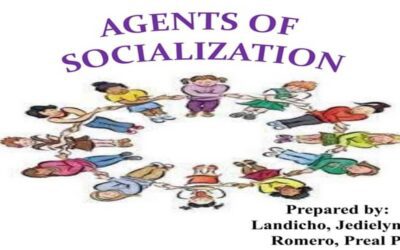
The Agents of Socialization
Socialization is a fundamental process that shapes individuals and their personalities. It doesn’t occur in isolation; instead, it requires a structured approach to ensure that children grow into well-rounded individuals. This journey of socialization is guided by various influences from individuals, groups, and organizations known as agents of socialization. These agents play a critical role in imparting values, norms, and knowledge essential for societal integration. This blog explores the key agents of socialization, including family, peers, religion, school, and the state, each of which contributes uniquely to a child’s development.

Characteristics of Society
Society, a complex web of relationships, has a set of defining characteristics that shape human interactions and communal living. By exploring these elements—comparison, difference, interdependence, cooperation and division of labour, social relations, control mechanisms, transformation, and culture—we gain insight into what sustains and evolves human society. Here’s a deeper look at these fundamental traits:

Meaning and Definition of Sociology
Sociology, a term derived from the Latin socius meaning “companion” and the Greek logos meaning “study” or “science,” is the scientific exploration of human society. French scholar August Comte (1798-1857), known as the Father of Sociology, coined the term “sociology” in his seminal work Positive Philosophy in 1839. He believed that social subjects could be studied as scientifically as physics or chemistry and dedicated himself to finding solutions to societal issues
ಸಂಸ್ಕೃತಿಯ ಲಕ್ಷಣಗಳು
ಸಂಸ್ಕೃತಿಯು ಸಮಾಜದ ಅತ್ಯಂತ ಆಳವಾದ ಉಡುಗೊರೆಗಳಲ್ಲಿ ಒಂದಾಗಿದೆ. ಇದು ತಲೆಮಾರುಗಳಿಂದ ನಡವಳಿಕೆಗಳು, ನಂಬಿಕೆಗಳು ಮತ್ತು ಆದರ್ಶಗಳನ್ನು ರೂಪಿಸುತ್ತದೆ. ಇದು ಸಂಕೀರ್ಣ ಮತ್ತು ಕ್ರಿಯಾತ್ಮಕ ಶಕ್ತಿಯಾಗಿದ್ದು, ನಮ್ಮ ದೈನಂದಿನ ಜೀವನ, ಸಂವಹನ ಮತ್ತು ಮೌಲ್ಯಗಳಿಗೆ ಮಾರ್ಗದರ್ಶನ ನೀಡುತ್ತದೆ. ಕೆಳಗೆ ಸಂಸ್ಕೃತಿಯ ಪ್ರಮುಖ ಗುಣಲಕ್ಷಣಗಳನ್ನು ಮತ್ತು ಅವು ಸಮಾಜ ಮತ್ತು ವೈಯಕ್ತಿಕ ಗುರುತುಗಳನ್ನು ಹೇಗೆ ಪ್ರಭಾವಿಸುತ್ತವೆ ಎಂಬುದನ್ನು ವಿವರಿಸಲಾಗಿದೆ.

ಸಹಕಾರದ ಗುಣಲಕ್ಷಣಗಳು
ಸಹಕಾರವು ಮಾನವ ಸಂವಹನದ ಮೂಲಭೂತ ಭಾಗವಾಗಿದೆ ಮತ್ತು ಯಾವುದೇ ಯಶಸ್ವಿ ಸಮುದಾಯ, ಸಂಸ್ಥೆ ಅಥವಾ ಸಾಮಾಜಿಕ ವ್ಯವಸ್ಥೆಗೆ ನಿರ್ಣಾಯಕ ಅಂಶವಾಗಿದೆ. ಸಾಮೂಹಿಕ ಪ್ರಗತಿ ಮತ್ತು ಏಕತೆಗೆ ಸಹಕಾರವು ಅಂತಹ ಶಕ್ತಿಶಾಲಿಯಾಗಿ ಕೆಲಸ ಮಾಡುತ್ತದೆ. ಈಗ ಅದರ ಪ್ರಮುಖ ಗುಣಲಕ್ಷಣಗಳನ್ನು ಅನ್ವೇಷಿಸೋಣ.

ಸಾಮಾಜೀಕರಣದ ವಿಧಗಳು
ಸಾಮಾಜೀಕರಣವು ಒಂದು ಮೂಲಭೂತ ಪ್ರಕ್ರಿಯೆಯಾಗಿದ್ದು, ಅದರ ಮೂಲಕ ವ್ಯಕ್ತಿಗಳು ತಮ್ಮ ಸಂಸ್ಕೃತಿ ಮತ್ತು ಸಮಾಜದ ರೂಢಿಗಳು, ಮೌಲ್ಯಗಳು ಮತ್ತು ನಡವಳಿಕೆಗಳನ್ನು ಕಲಿಯುತ್ತಾರೆ ಮತ್ತು ಆಂತರಿಕಗೊಳಿಸುತ್ತಾರೆ. ಪ್ರಖ್ಯಾತ ಸಮಾಜಶಾಸ್ತ್ರಜ್ಞ ಇಯಾನ್ ರಾಬರ್ಟ್ಸನ್ ಮಾನವ ಅಭಿವೃದ್ಧಿಯಲ್ಲಿ ನಿರ್ಣಾಯಕ ಪಾತ್ರವನ್ನು ವಹಿಸುವ ನಾಲ್ಕು ಪ್ರಮುಖ ರೀತಿಯ ಸಾಮಾಜಿಕತೆಯನ್ನು ಗುರುತಿಸಿದ್ದಾರೆ. ಪ್ರತಿಯೊಂದು ವಿಧವು ವಿಭಿನ್ನ ಉದ್ದೇಶವನ್ನು ಹೊಂದಿದೆ ಮತ್ತು ಜೀವನದ ವಿವಿಧ ಹಂತಗಳಲ್ಲಿ ಸಂಭವಿಸುತ್ತದೆ. ಅವುಗಳ ಪ್ರಾಮುಖ್ಯತೆಯ ಆಳವಾದ ತಿಳುವಳಿಕೆಯನ್ನು ಪಡೆಯಲು ಈ ನಾಲ್ಕು ರೀತಿಯ ಸಾಮಾಜಿಕೀಕರಣವನ್ನು ಪರಿಶೀಲಿಸೋಣ

ಸಂಘದ ಪ್ರಮುಖ ಲಕ್ಷಣಗಳು
ನಮ್ಮ ದೈನಂದಿನ ಜೀವನದಲ್ಲಿ, ಹಂಚಿಕೊಂಡ ಉದ್ದೇಶಗಳು ಮತ್ತು ಆಸಕ್ತಿಗಳಿಗಾಗಿ ಜನರನ್ನು ಒಟ್ಟುಗೂಡಿಸುವಲ್ಲಿ ಸಂಘಗಳು ಮೂಲಭೂತ ಪಾತ್ರವನ್ನು ವಹಿಸುತ್ತವೆ. ಅವುಗಳು ಕೇವಲ ಜನರ ಗುಂಪುಗಳಿಗಿಂತ ಹೆಚ್ಚು; ಸಂಘಗಳು ಸಾಮಾನ್ಯ ಗುರಿಗಳಿಗಾಗಿ ಒಟ್ಟಾಗಿ ಕೆಲಸ ಮಾಡುವ ಸಂಘಟಿತ, ಉದ್ದೇಶಪೂರ್ವಕ ಸಮುದಾಯಗಳಾಗಿವೆ. ಇಲ್ಲಿ, ಸಂಘಗಳನ್ನು ವ್ಯಾಖ್ಯಾನಿಸುವ ಮತ್ತು ಇತರ ಅನೌಪಚಾರಿಕ ಕೂಟಗಳಿಂದ ಪ್ರತ್ಯೇಕಿಸುವ ಪ್ರಮುಖ ಗುಣಲಕ್ಷಣಗಳನ್ನು ನಾವು ತಿಳಿಯುತ್ತೇವೆ

ಸಮಾಜಶಾಸ್ತ್ರದ ವ್ಯಾಪ್ತಿ
ಸಮಾಜಶಾಸ್ತ್ರದ ವ್ಯಾಪ್ತಿಯ ಕುರಿತು ವಿ.ಎಫ್.ಕ್ಯಾಲ್ಬರ್ಟನ್ರವರು “ಸಮಾಜಶಾಸ್ತ್ರದ ಒಂದು ಸ್ಥಿತಿಸ್ಥಾಪಕ ಸ್ವರೂಪವುಳ್ಳ ವಿಜ್ಞಾನವಾಗಿದೆ. ಅದರ ಇತಿಮಿತಿಗಳು ಎಲ್ಲಿಂದ ಪ್ರಾರಂಭವಾಗಿ ಎಲ್ಲಿ ಅಂತ್ಯಗೊಳ್ಳುತ್ತವೆ ಎಂದು ಖಚಿತವಾಗಿ ಹೇಳಲು ಸಾಧ್ಯವಿಲ್ಲ. ಸಮಾಜಶಾಸ್ತ್ರವು ಸಾಮಾಜಿಕ ಮನೋವಿಜ್ಞಾನವಾಗಿ ಪರಿವರ್ತಿತವಾಗುವುದು. ಆರ್ಥಿಕ ಸಿದ್ಧಾಂತಗಳು ಸಾಮಾಜಿಕ ಸಿದ್ಧಾಂತಗಳಾಗಿ ಪರಿವರ್ತಿತವಾಗುವುದಾಗಲೀ, ಎಂತಹ ಘಟ್ಟದಲ್ಲಿ ಎಂದು ಖಚಿತಗೊಳಿಸಲು ಸಾಧ್ಯವಿಲ್ಲ” ಎಂದು ಹೇಳಿದ್ದಾರೆ.

ಕರ್ತವ್ಯದ ಪ್ರಾಮುಖ್ಯತೆ
ಮಾನವನಿಗೆ ಹಕ್ಕುಗಳು ಎಷ್ಟು ಮಹತ್ವಪೂರ್ಣವಾಗಿವೆಯೋ ಕರ್ತವ್ಯಗಳೂ ಸಹ ಅಷ್ಟೇ ಮಹತ್ವಪೂರ್ಣವಾಗಿವೆ. ಅವುಗಳು ಒಂದೇ ನಾಣ್ಯದ ಎರಡು ಮುಖಗಳಿದ್ದಂತೆ. ಒಂದನ್ನು ಬಿಟ್ಟು ಇನ್ನೊಂದು ಇಲ್ಲ. ಹಕ್ಕುಗಳು ಇಲ್ಲದೆ ಕರ್ತವ್ಯಗಳು ಇಲ್ಲ. ಕರ್ತವ್ಯಗಳು ಇಲ್ಲದೆ ಹಕ್ಕುಗಳು ಇಲ್ಲ. ಪ್ರತಿಯೊಂದು ಹಕ್ಕೂ ಸಹ ಕರ್ತವ್ಯದೊಂದಿಗೆ ಬೆಸೆದುಕೊಂಡಿರುತ್ತದೆ. ಹಕ್ಕುಗಳು ಇಲ್ಲದೆ ಕರ್ತವ್ಯಗಳಿಗೆ ಬೆಲೆ ಇಲ್ಲ. ಹಾಗೆಯೇ ಕರ್ತವ್ಯಗಳಿಲ್ಲದೆ ಹಕ್ಕುಗಳಿಗೆ ಅರ್ಥವಿಲ್ಲ.

ಹಕ್ಕುಗಳ ಅರ್ಥ
ಹಕ್ಕುಗಳು ಎಂದರೆ ಪ್ರತಿಯೊಬ್ಬ ಮಾನವನಿಗೂ ಸಮಾಜ ಮತ್ತು ರಾಜ್ಯದಿಂದ ಒದಗಿಸುವ ನೈತಿಕ ಮತ್ತು ಕಾನೂನುಬದ್ಧವಾದ ಸೌಲಭ್ಯಗಳು. ಅವು ವ್ಯಕ್ತಿಯ ಸ್ವಾತಂತ್ರ್ಯ, ಗೌರವ ಮತ್ತು ಸಮಾನತೆಯನ್ನು ಕಾಪಾಡುವ ಮೂಲಭೂತ ಸಾಧನಗಳು. ಹಕ್ಕುಗಳು ಮಾನವನ ಅಭಿವೃದ್ದಿಗೆ ಅಗತ್ಯವಾದ ಅವಕಾಶಗಳನ್ನು ಒದಗಿಸುತ್ತವೆ.ಸಮಾಜದಲ್ಲಿ ಪ್ರತಿಯೊಬ್ಬರೂ ಸಮಾನವಾಗಿ ಬದುಕಲು ಮತ್ತು ತಮ್ಮ ಪ್ರತಿಭೆಯನ್ನು ತೋರಲು ಹಕ್ಕುಗಳು ಸಹಾಯ ಮಾಡುತ್ತವೆ. ಹಕ್ಕುಗಳನ್ನು ಕಾನೂನು ರಕ್ಷಣೆ ನೀಡುತ್ತದೆ ಮತ್ತು ಅವು ಉಲ್ಲಂಘನೆಯಾದರೆ ನ್ಯಾಯಾಲಯದಿಂದ ಪರಿಹಾರ ಪಡೆಯಬಹುದು. ಹಕ್ಕುಗಳನ್ನು ಬಳಸುವಾಗ ಕರ್ತವ್ಯಗಳನ್ನೂ ಪಾಲಿಸುವುದು ಪ್ರತಿಯೊಬ್ಬ ನಾಗರಿಕನ ಜವಾಬ್ದಾರಿ. ಆದ್ದರಿಂದ, ಹಕ್ಕುಗಳು ಮಾನವ ಜೀವನವನ್ನು ಗೌರವಯುತ, ಸ್ವತಂತ್ರ ಮತ್ತು ಸಮಾನತೆಯನ್ನೊಳಗೊಂಡಂತೆ ಮಾಡುವ ಅತಿ ಮುಖ್ಯವಾದ ಅಂಶಗಳು.